
Last updated November 22, 2026
 Whole-home duct cleaning
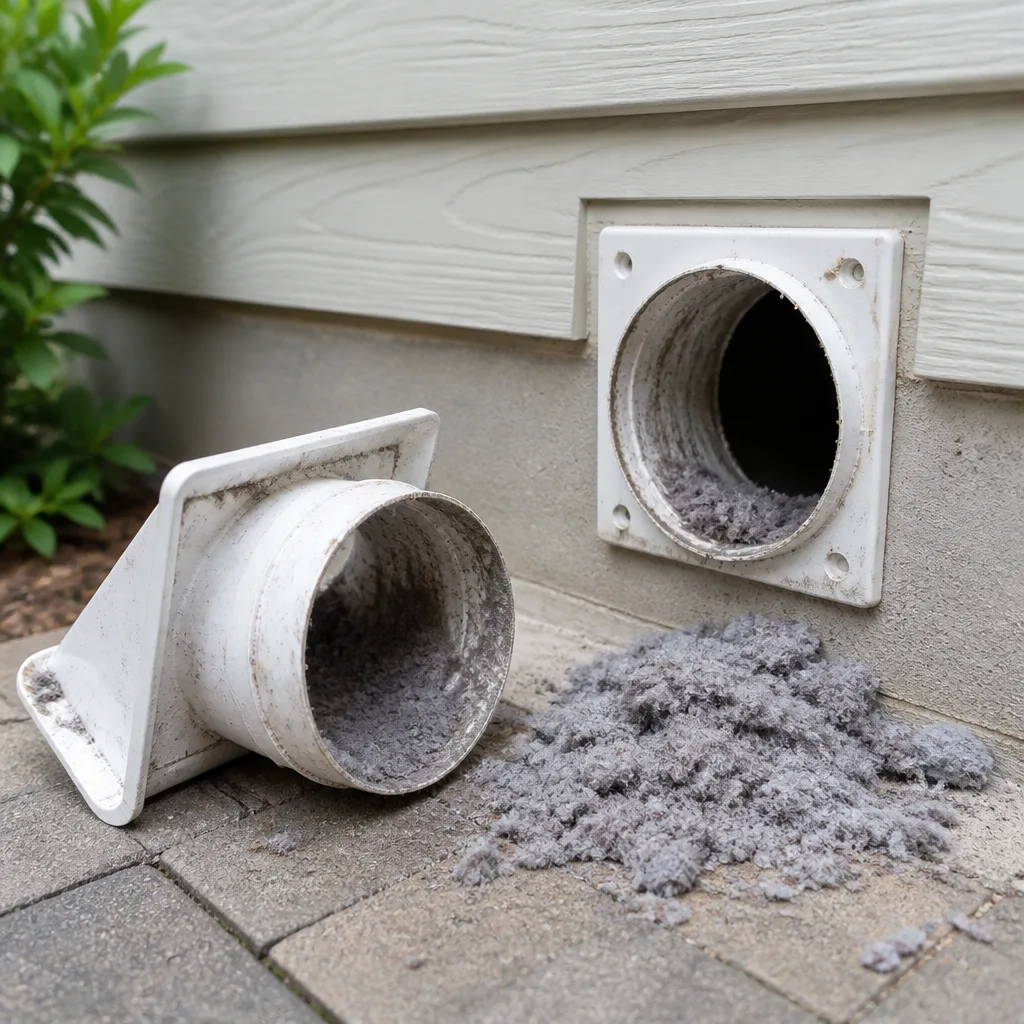 Dryer vent cleaning
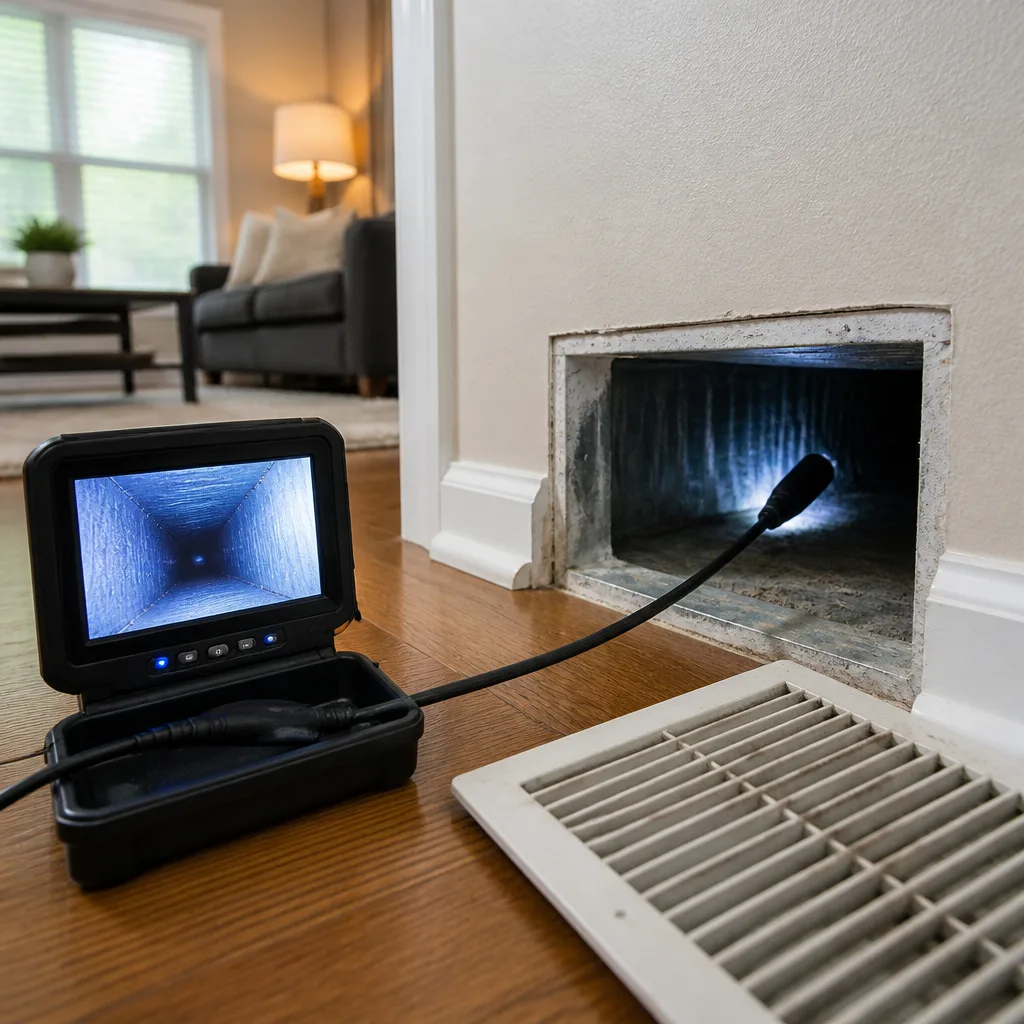 Camera inspection
 Sanitizing & deodorizing
Whole-system duct and dryer vent check with before-and-after photos - you see exactly what came out of your vents
That "$99 whole-house special" is a bait ad - the real number appears once they are in your hallway, or the "clean" is a shop-vac at the register. We photograph the inside of your ducts before and after instead.
How to Hire an Air Duct Cleaning Contractor in Harlem: A Step-by-Step Guide
Most people hire a duct cleaner the way they hire a locksmith: something went wrong, they search, they call whoever answers first. That’s the wrong frame. Hiring for ductwork in Harlem is a vetting exercise, not a price-comparison exercise, because the one thing that separates a real job from a fake one – negative-air containment and mechanical source removal – never shows up on the quote. Two bids can look identical on paper and describe completely different work. The FTC has warned consumers about “blow-and-go” duct cleaning for more than two decades, and it keeps happening because most homeowners don’t know what legitimate equipment sounds like, looks like, or costs. This guide teaches you to surface that difference before anyone enters your building.
Quick Answer
To hire an air duct cleaning contractor in Harlem, ask three questions before anything else: what equipment make and model will be used, what CFM the negative-air machine is rated for, and whether the job includes source removal or only surface agitation. Then request a written scope of work with five specific line items, verify the crew is directly employed rather than subcontracted, and treat any mid-job “we found mold” upsell as a stop-work signal. The company that answers those questions in writing before you pay a deposit is the one worth hiring.
Styles & brands we work with
- Whole-home duct cleaning
- Dryer vent cleaning
- Camera inspection
- Sanitizing & deodorizing
Table of Contents
- Why Harlem Buildings Make Duct Cleaning Harder to Vet
- What to Ask When You Request a Quote
- What NADCA Membership and ACR Compliance Actually Verify
- Red Flags Specific to the NYC Service Market
- The Five Non-Negotiable Line Items in a Written Scope of Work
- Coordinating Access in Apartment Buildings With Shared Ducts
- Why Dryer Vent Cleaning Belongs in the Same Conversation
- How to Verify the Work Was Actually Done
Why Harlem Buildings Make Duct Cleaning Harder to Vet
Harlem’s housing stock does something to ductwork that newer suburbs never see. Prewar walk-ups and mid-century apartment buildings were built with riser chases and shared return paths that connect units in ways a single-family house never does. That means a job on the fourth floor can push dust into a neighbor’s living room if containment isn’t handled properly. It also means the contractor has to understand building layout, not just duct layout.
Heating season concentrates the problem. Harlem’s winters run cold enough that systems cycle hard for months, pulling air through the same ducts continuously. Whatever has settled inside – construction dust from a renovation three apartments ago, lint, pet dander, the fine grit that accumulates in any radiator-and-duct building – gets recirculated rather than resting. Homeowners often notice it as a musty smell when the heat first comes on in fall, or as dust settling faster on surfaces than it used to.
The other local factor is density. In a Harlem co-op or rental building, duct cleaning isn’t a private transaction between you and a contractor. It touches super access, elevator scheduling, and sometimes a managing agent’s approval. A contractor who has never worked in a building with a service elevator and a posted work-hours policy will underestimate the job. One who has will ask about it before quoting.
None of that is a reason to avoid cleaning. It’s a reason to hire someone who can describe exactly how they’ll contain debris in a building where the ducts aren’t fully yours.
What to Ask When You Request a Quote
Start with a direct answer: when you request a quote, ask for the equipment make and model, the negative-air machine’s CFM rating, and whether the price includes source removal or only surface agitation. Those three questions separate a professional operation from a person with a vacuum. Ask them in writing, ideally by email, so the answers are on record.
Here’s the full sequence we’d put in front of any homeowner or property manager:
- What cleaning equipment will you use? You want a named mechanical system built for ductwork – Rotobrush and Nikro are the industry-standard names, and a contractor should say them without hesitation. If the answer is “a high-powered vacuum,” ask what kind.
- What is the negative-air machine rated for, in CFM? Containment is measured in cubic feet per minute. A machine that can’t outpace the air the job disturbs will let dust escape into the room. The contractor should know the number, not just the brand.
- Does the price include source removal? Surface agitation knocks debris loose. Source removal takes it out of the system and into a HEPA-filtered collection unit. Only one of those actually cleans your ducts.
- Who will be on site? Ask whether the crew is directly employed or subcontracted. Unlicensed subcontracting is common in the NYC market and it’s how accountability disappears.
- What’s in the written scope? Get it before any deposit. The five line items are covered further down.
- How will you handle containment in my building? If the answer doesn’t mention sealing registers, negative pressure, or protecting adjacent units, the contractor hasn’t done many apartment jobs.
If a company can’t answer questions one through three, the conversation is over. Price is the fourth thing to discuss, never the first.
What NADCA Membership and ACR Compliance Actually Verify
NADCA membership and ACR compliance verify that a contractor has agreed to a defined standard of practice and, for the ACR credential, passed an assessment of that standard. They do not verify that the crew on your job is trained, that the equipment is on the truck, or that the work will be done to spec. They’re a starting filter, not a finish line.
The ACR standard – Assessment, Cleaning, and Restoration – is the document that defines what a legitimate duct cleaning job includes. It covers inspection before cleaning, containment during cleaning, mechanical source removal, and verification afterward. A contractor who follows it can describe each of those steps in plain language. A contractor who has memorized the acronym but not the process will stumble when you ask what “assessment” means in practice.
What membership signals: the company has chosen to be measured against a published standard, and is willing to be listed. What it doesn’t signal: the size of the operation, whether they use Rotobrush or Nikro equipment or something else, whether they’re insured, or whether their pricing is honest. Those you verify separately.
In our experience, the more useful question is the one that follows: “Walk me through what a job in my building looks like, start to finish.” A contractor who complies with the standard will give you a sequence – inspection, containment setup, agitation, source removal, verification, documentation. One who doesn’t will give you a time estimate and a price. That gap tells you more than any logo on a website.
Red Flags Specific to the NYC Service Market
The NYC service market has failure modes that don’t show up in national consumer guides. Knowing them saves you a deposit and, occasionally, a much larger repair bill. Here’s what to watch for:
- Unlicensed subcontracting. Ask who’s coming and whether they’re on the company’s payroll. A dispatcher who can’t name the crew is a dispatcher who is about to send someone else’s.
- Mid-job “we found mold” pricing. Any diagnosis discovered after work starts, with a new price attached, is a bait-and-switch pattern. Legitimate findings get documented and quoted separately, before additional work begins.
- Door-to-door solicitation. Anyone knocking on your apartment door offering a duct cleaning on the spot is selling a service you can’t vet. Close the door politely.
- Per-vent pricing. A quote built on a count of registers is designed to move. Whole-system pricing is what a professional operation quotes.
- No written scope before deposit. If you’re asked for money before you’ve seen the five line items, you’re not hiring a contractor, you’re funding one.
- Pressure to decide today. Real operations book out. Pressure is a sales tactic, not a scheduling constraint.
One more: any contractor who won’t put the equipment make and model in writing is telling you something. Take them at their word.
The Five Non-Negotiable Line Items in a Written Scope of Work
A written scope of work should contain five specific line items before any deposit changes hands: equipment make and model, CFM rating of the negative-air unit, the specific duct runs to be cleaned, the verification method, and the post-clean documentation you’ll receive. If any one is missing, ask for it in writing before you sign.
Here’s why each one matters, and what to look for:
- Equipment make and model. Rotobrush and Nikro are the systems built for residential and light commercial ductwork. A scope that names the machine tells you the contractor knows what they’re bringing. “Professional equipment” is not a line item.
- Negative-air CFM rating. This is the containment number. It’s the difference between debris being captured and debris being redistributed. It belongs in the scope, not in a verbal answer.
- Specific duct runs. The scope should list what’s being cleaned: supply trunks, returns, branch runs, the air handler, the blower. “All ducts” is not a scope; it’s a slogan.
- Verification method. How will the contractor confirm the job is complete? Before-and-after photos of your ducts are the standard. A visual inspection with the system back together is not verification.
- Post-clean documentation. Written summary of what was cleaned, what was found, what was repaired or sealed, and what was recommended. This is the record you want if you ever need it.
For a fuller breakdown of what the cleaning itself involves, see air duct cleaning. The scope is the contract; the work is the deliverable. Both should be specific.
Coordinating Access in Apartment Buildings With Shared Ducts
Access is where most Harlem jobs succeed or stall. A contractor who shows up without an elevator reservation, without super access, and without a plan for the neighboring units will lose a day before the first machine starts. Lock that down before the crew arrives.
The coordination sequence that works:
- Confirm the building’s rules in writing. Managing agents vary on work hours, elevator use, and whether the super has to be present. Get the answer in writing from whoever manages the building.
- Reserve the elevator before the job date. Duct cleaning equipment needs to move. A walk-up job with a Rotobrush system is a schedule problem if nobody planned for it.
- Notify adjacent units. Shared duct runs mean the neighbor may hear the machine. A polite note the week before prevents a complaint the day of.
- Clarify what “shared” means in your building. Some Harlem buildings have shared returns; others have fully separate paths. The contractor should establish which before quoting containment.
- Have the super available at start and end. Start, for access. End, for verification.
Property managers we work with treat this as a project management task, not a phone call. That’s the right instinct. Ask the contractor how they handle building access and scheduling before you accept a quote; the answer tells you whether they’ve done this in Harlem or not.
Why Dryer Vent Cleaning Belongs in the Same Conversation
A dryer vent is not a small add-on to a duct cleaning job. It’s a fire risk that most duct cleaners treat as a secondary line on the invoice, and it deserves its own decision. Lint accumulation in a dryer vent is a documented cause of residential fires, and in a Harlem building where dryers sit in closets or tight utility bays, the vent run is often longer and harder to reach than the homeowner assumes.
Ask the contractor two things about dryer vent cleaning: whether it’s a named service they perform with dedicated equipment, and whether they can inspect the full run from the dryer to the exterior termination point. If the answer is “we can add that on,” you’ve learned the service is an afterthought. A specialist treats it as a safety category.
We include it in the same conversation because the access, equipment, and containment approach overlap. If you’re scheduling a full system clean, the dryer vent is the same visit, the same containment setup, and the same written documentation. Skipping it means paying for a return trip later or, worse, living with a risk you didn’t know was there.
How to Verify the Work Was Actually Done
You verify duct cleaning was actually done by comparing before-and-after photographs of your own ducts and by confirming the post-clean documentation matches the agreed scope. A contractor who can’t produce photos of your specific system hasn’t given you verification; they’ve given you a claim.
What to check when the crew finishes:
- Photos of the ducts before and after, taken in the same locations.
- The written summary against the scope you signed – did they clean what they said they’d clean?
- Whether registers were resealed and the system returned to its original condition.
- Whether any repair or sealing work was done and documented separately.
- Whether the contractor recommended any air quality upgrades, and on what basis.
This is where the equipment names earn their keep. A crew using Abatement Technologies scrubbers and a Rotobrush or Nikro system has a built-in documentation habit, because the process produces the evidence. A crew with a shop vac doesn’t, because there’s no process to document.
If you’re also scheduling HVAC work, the verification standard is the same. See HVAC cleaning for what to expect from the air handler side of the job.
Common Mistakes to Avoid
These are the ones we see most often in Harlem, and each one is preventable with a question asked before the job:
- Hiring on price alone. The low bid and the honest bid often look identical on paper. The difference is in the equipment and the scope, and neither is visible in the number. Compare method before you compare cost.
- Accepting a verbal scope. A verbal description of what’s included has no standing if the crew cleans two runs and leaves. Get it in writing, with the five line items, before any deposit.
- Ignoring the negative-air question. Homeowners skip it because they think it’s technical. It’s the single most important line item for containment in a building with shared ducts, and it’s the one most contractors hope you won’t ask about.
- Treating a mid-job discovery as routine. If a contractor finds something after starting and puts a new price on it, pause. Get it documented and quoted separately before the crew continues.
- Skipping the dryer vent. It’s a safety service, not a convenience. If you’re already paying for a visit, have it done in the same one.
- Not notifying building management. A job that stalls on elevator access costs everyone time, and in a co-op or rental it can create a compliance issue. Coordinate in writing first.
- Forgetting to ask for photos. The before-and-after record is your proof the work happened. Ask for it in the scope and confirm it at the end.
None of these are exotic. They’re all failures of inquiry, and they’re all fixable with a short list of questions before the job is booked.
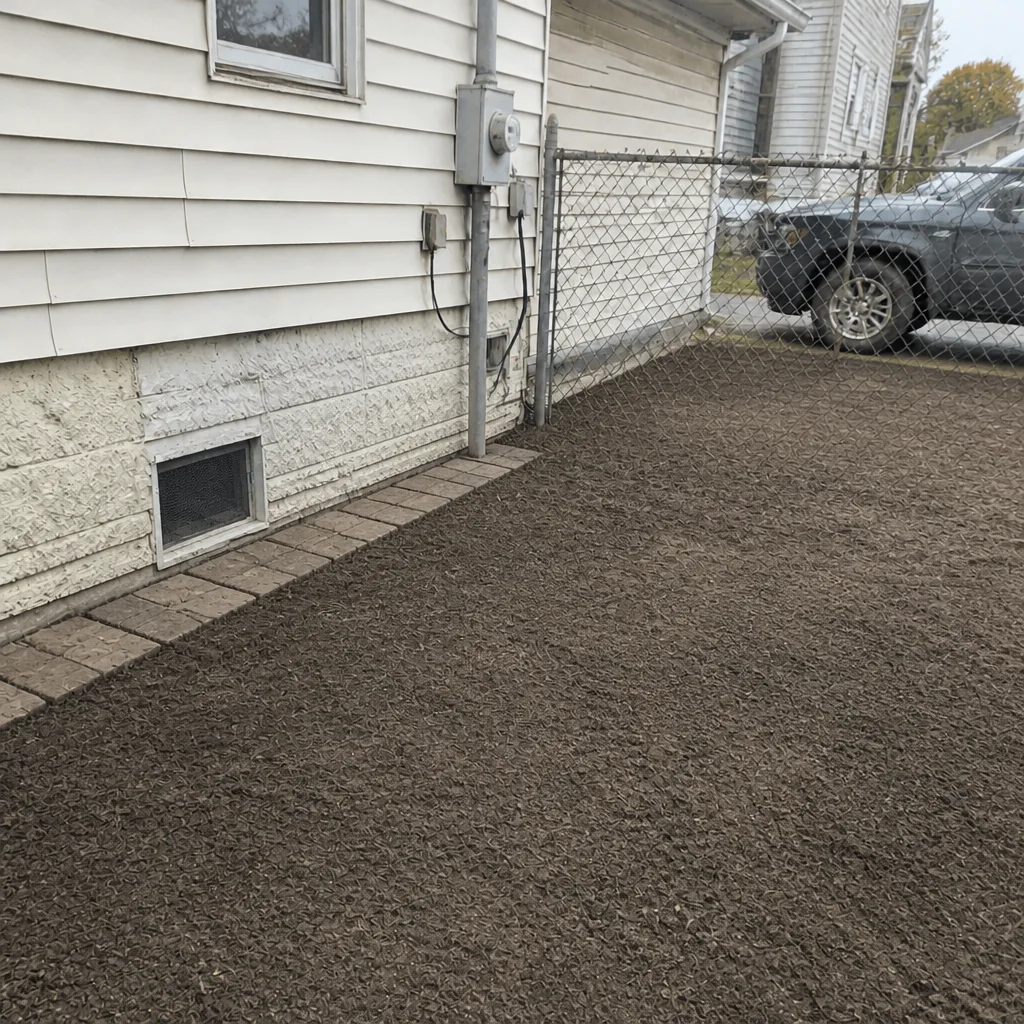
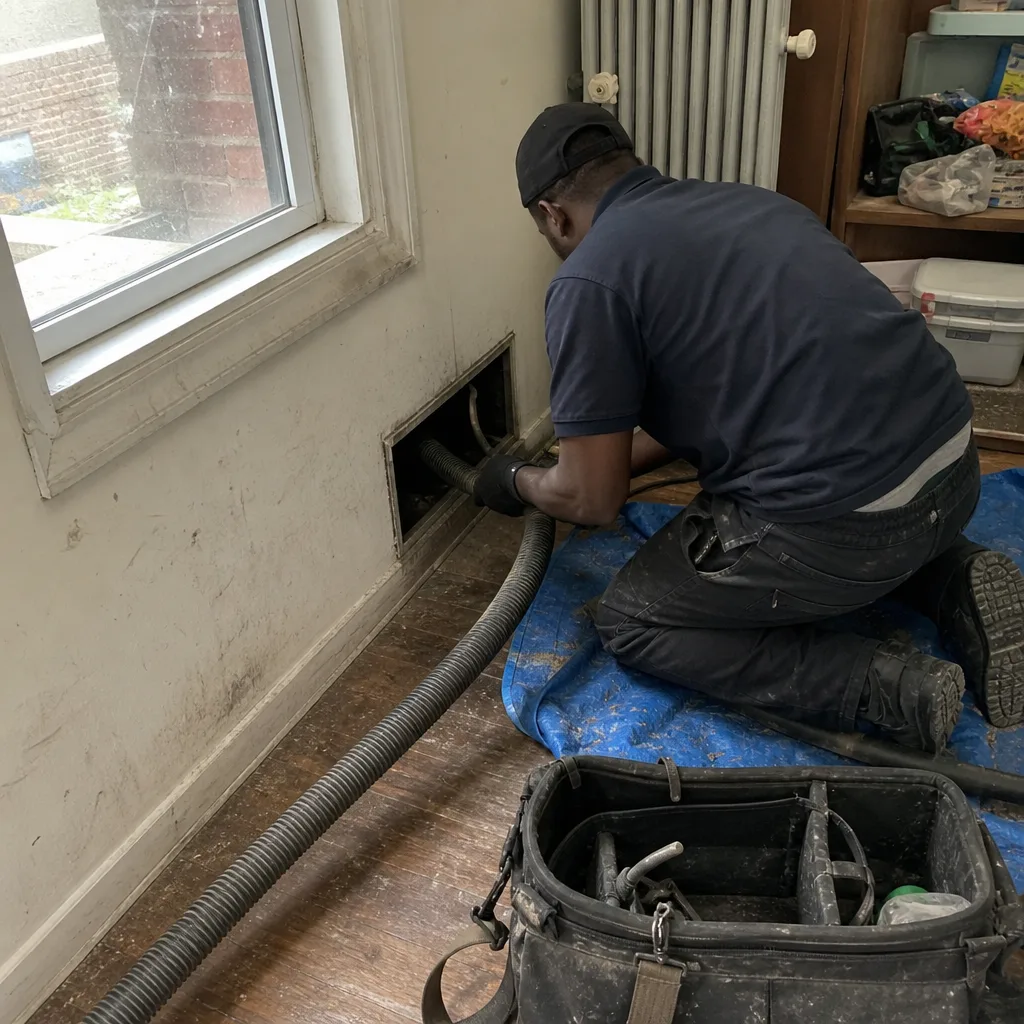
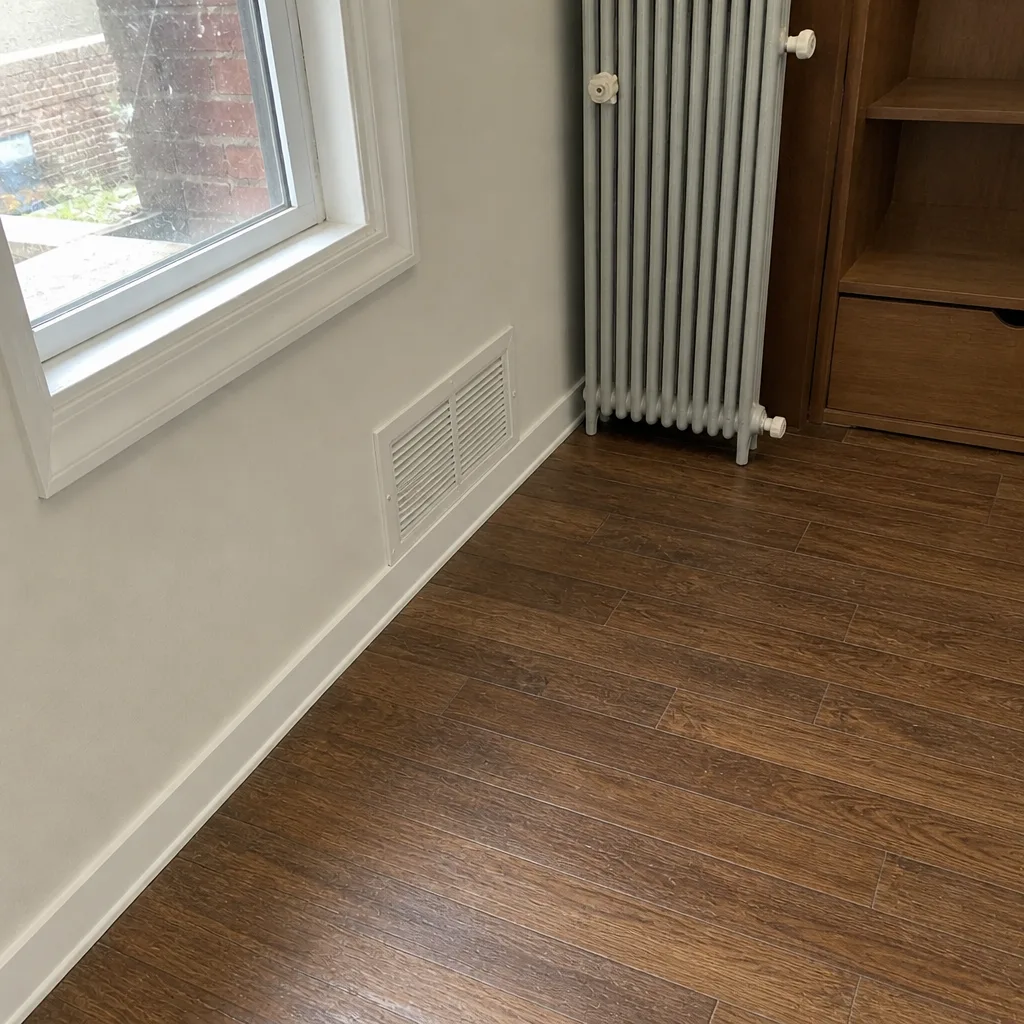
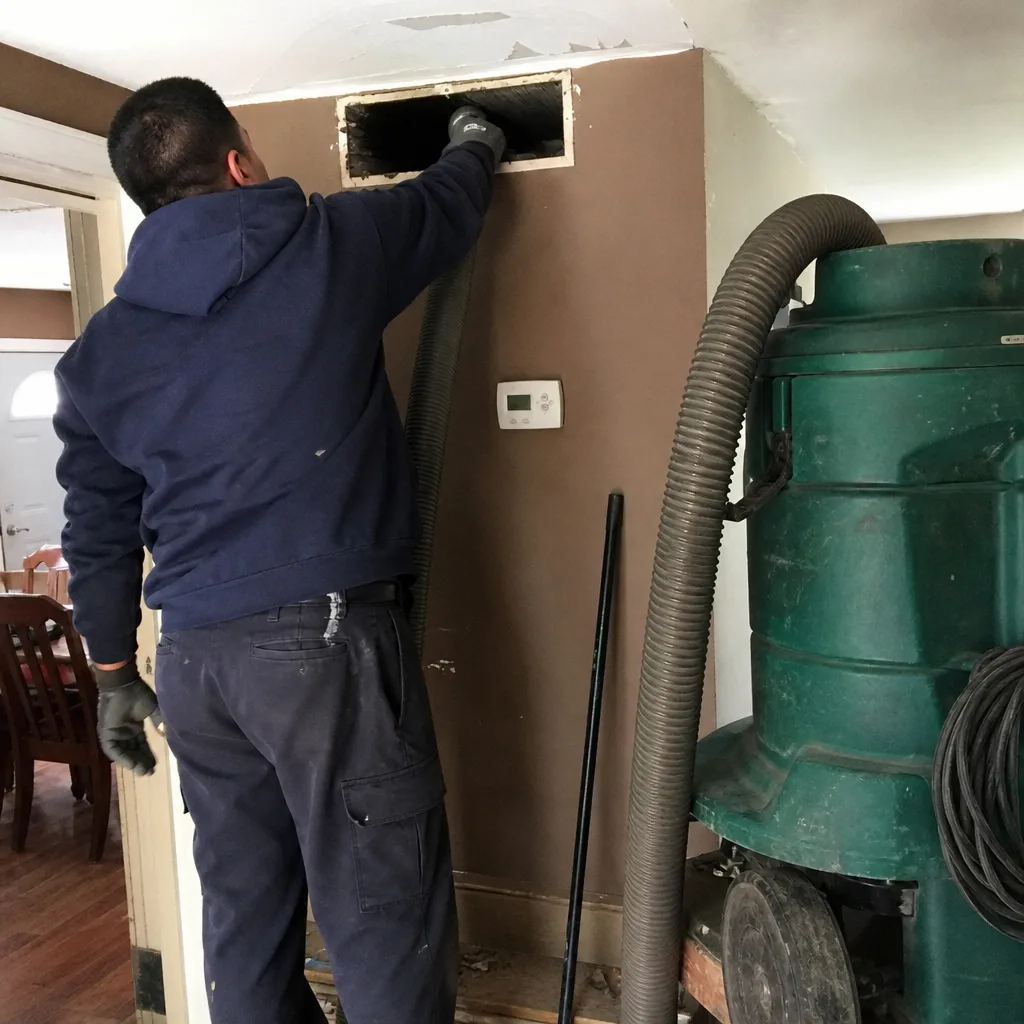
See the difference
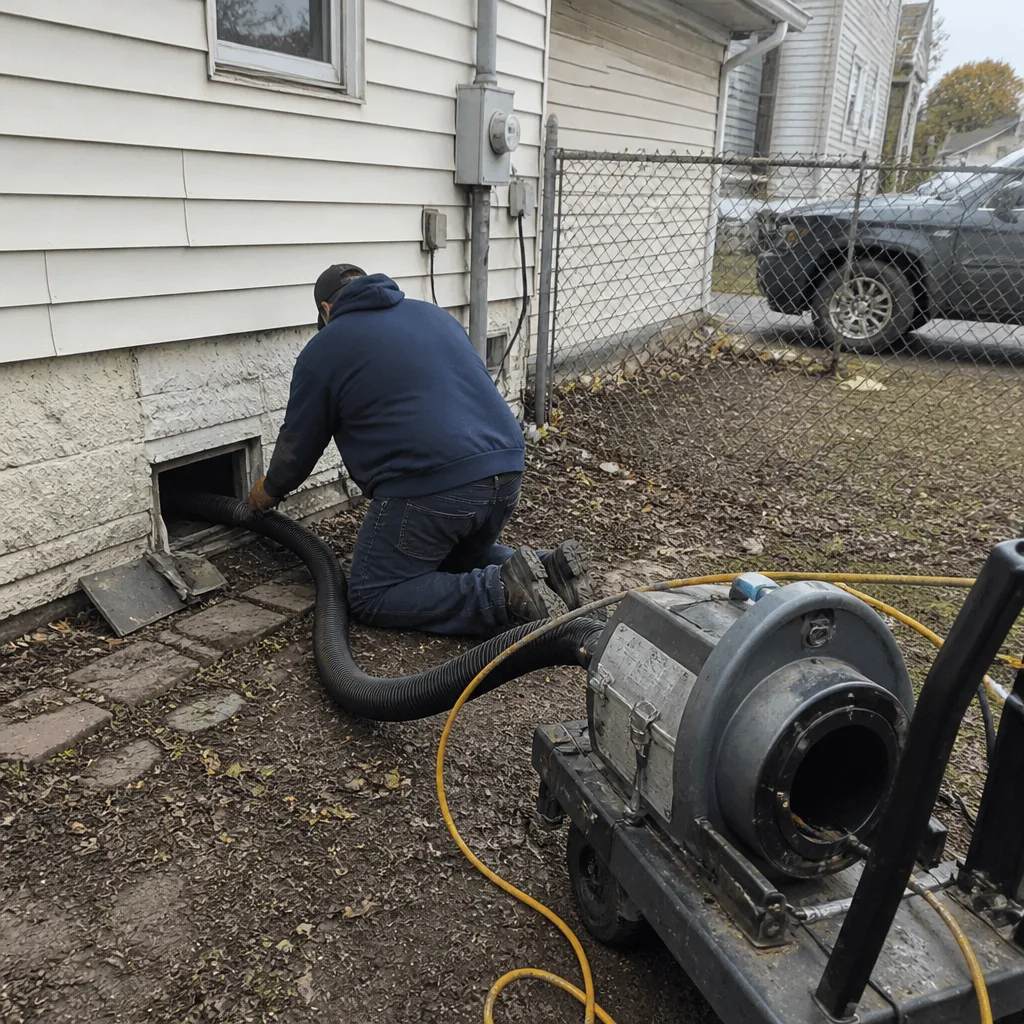 Before
 After
 Before
 After
 Before
 After
When to Call a Professional
Some jobs in Harlem call for a professional visit without debate. Visible dust blowing from registers when the system starts, a persistent musty smell that returns after cleaning surfaces, or a recent renovation that left debris in the return path are all signs the ducts need more than a filter change. Persistent allergy symptoms that improve when you leave the apartment are worth investigating from the duct side. A dryer that takes longer than it used to, or a vent flap that doesn’t open fully, points to a vent problem that should be checked. And any building with shared return paths should have the system assessed at least once before assuming it’s clean.
Our technicians have up to 10 years of experience, and we use professional-grade Rotobrush and Nikro systems with Abatement Technologies containment on every job. Air Duct Cleaning Harlem offers free estimates in Harlem. Call (866) 937-8817 for a written scope and a flat price per system agreed before work starts.
Frequently Asked Questions
Typical whole-system air duct cleaning in Harlem runs in the range of a few hundred to over a thousand dollars depending on the number of duct runs, the size of the system, and whether repairs or sealing are included. The written scope sets the final price, and any legitimate quote is per system rather than per vent. Call us for an exact quote; estimates are free.
Cheap quotes are usually cheap because they describe less work: surface agitation without source removal, a shop vac instead of a mechanical system, no negative-air containment. The quote looks lower because the job is smaller, not because the contractor is more efficient. Ask for the equipment make and model and the CFM rating, and the difference explains itself.
You know the work was done when you have before-and-after photos of your own ducts and a written summary that matches the scope you signed. A contractor who documents the job produces that evidence as a matter of process. Ask for it in the scope before the crew arrives. If you want to confirm details of the service, call us; estimates are free.
Most homes don’t need it on a fixed schedule. The real triggers are visible debris, a persistent smell, a recent renovation, or a system that’s never been cleaned. A building with shared return paths may need assessment more often than a single-family home. Call us to talk through your situation; estimates are free.
In most Harlem co-ops and rentals, yes – at minimum you need to coordinate elevator access, work hours, and super availability with whoever manages the building. Get the answer in writing before the job date. A contractor who has worked in apartment buildings will ask about this before quoting.
It can be, and it should be on your radar either way. Dryer vents are a fire risk, not an afterthought, and a dedicated dryer vent cleaning is a separate service with its own equipment and inspection. If you’re scheduling a full system clean, ask to have it included in the same visit.
The Bottom Line
Hiring a duct cleaner in Harlem is a vetting exercise. The equipment, the containment, and the scope are what separate a real job from a cheap one, and none of them are visible in the price. Ask for the machine, the CFM, and the five line items in writing. Confirm the crew is directly employed and the building access is locked down. Get before-and-after photos of your own ducts. If a contractor can answer all of that before you pay a deposit, you’ve found the one worth hiring. Air Duct Cleaning Harlem brings professional-grade equipment and a written scope to every job, from cleaning to sealing to sanitizing. Call (866) 937-8817 for a free estimate. We answer 24/7. Fast dispatch from 7am to 7pm, Sunday through Friday.
Written by the team at Air Duct Cleaning Harlem.