
Last updated November 22, 2026
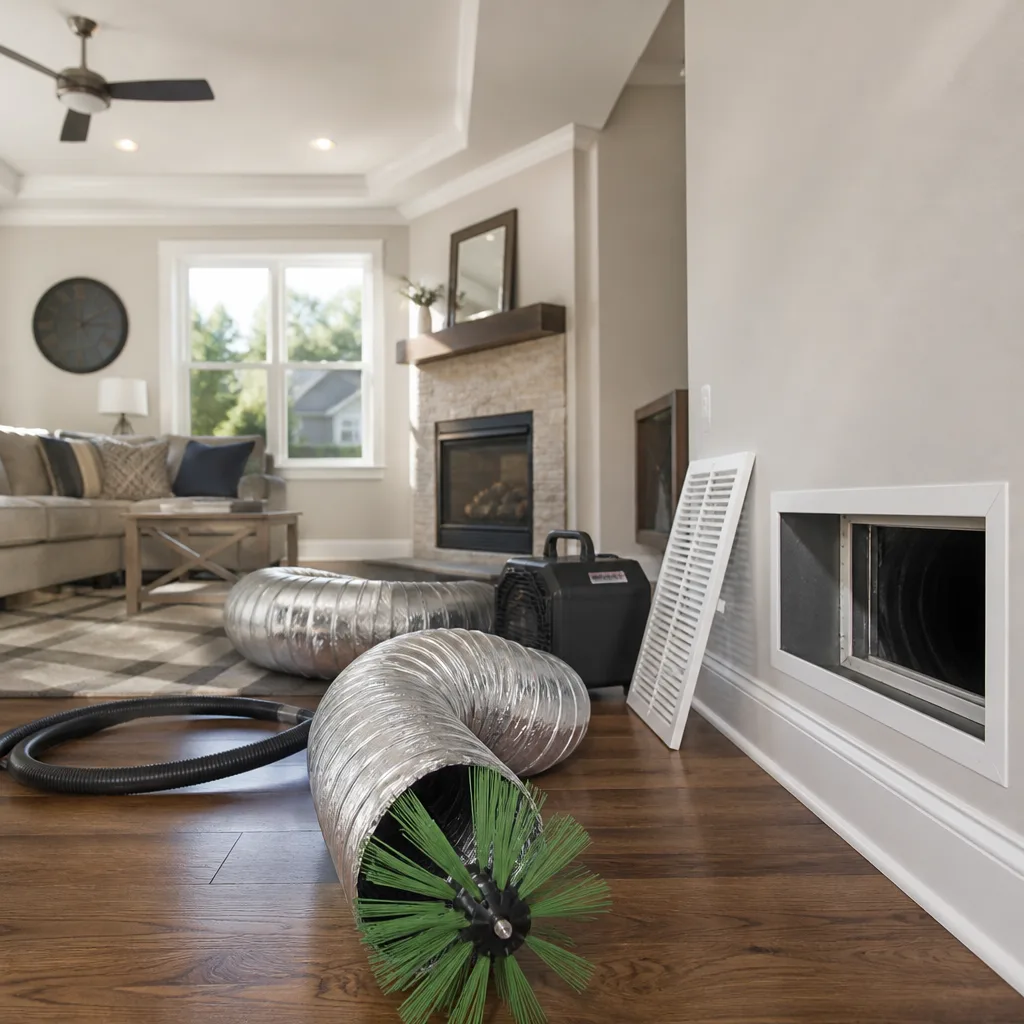 Whole-home duct cleaning
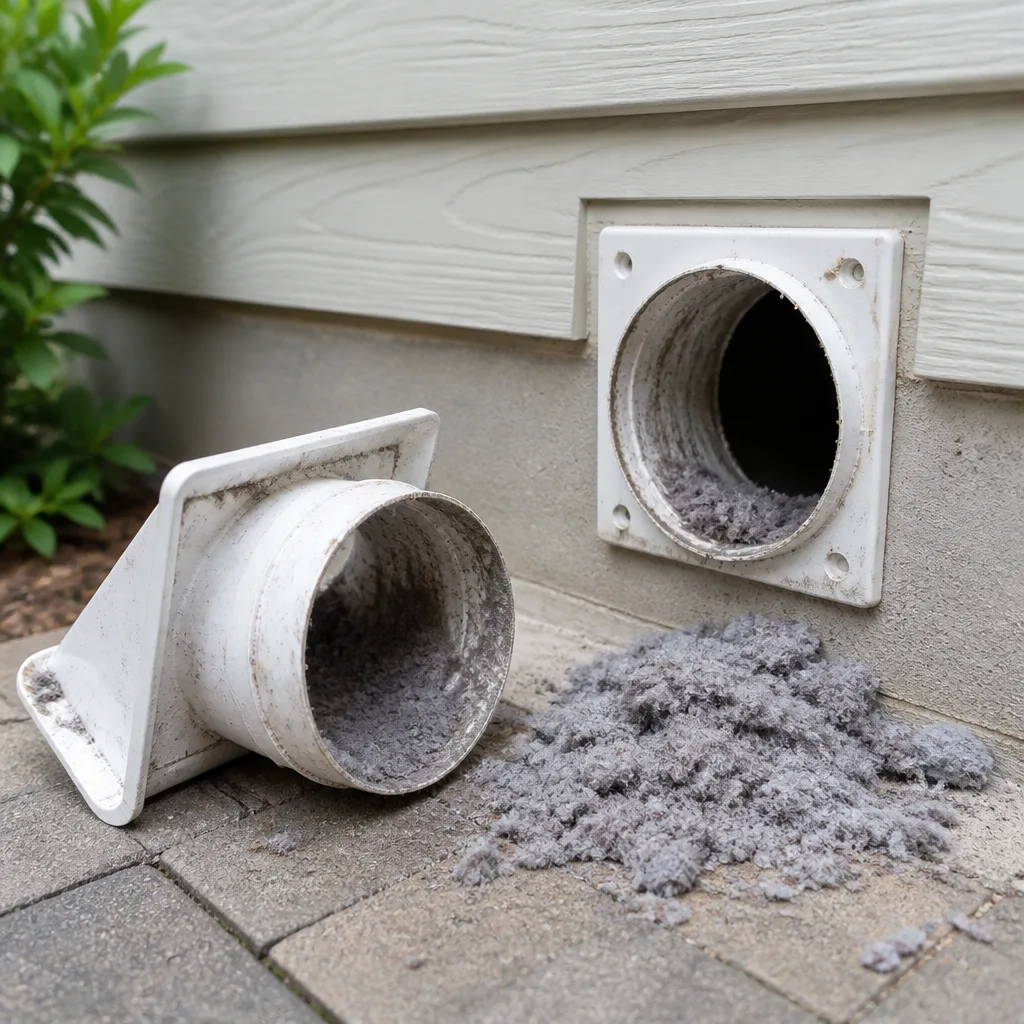 Dryer vent cleaning
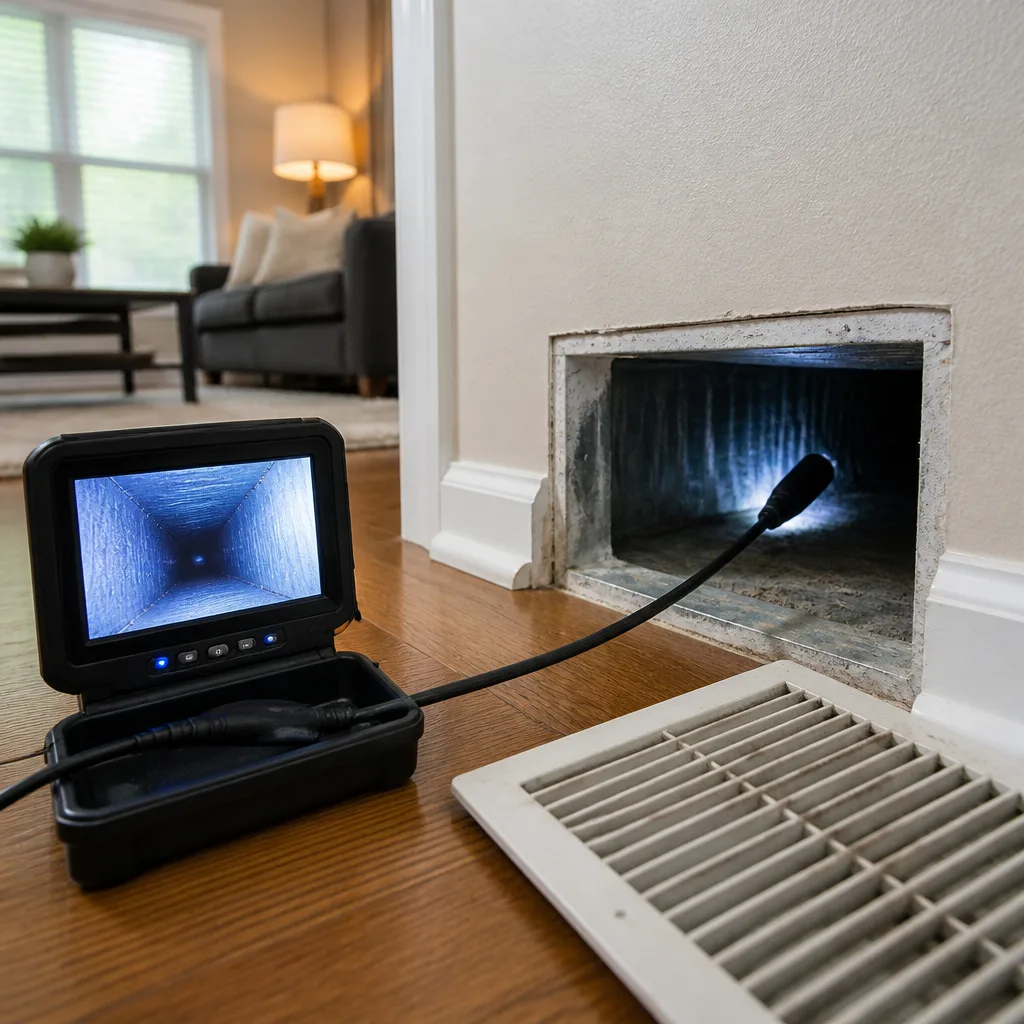 Camera inspection
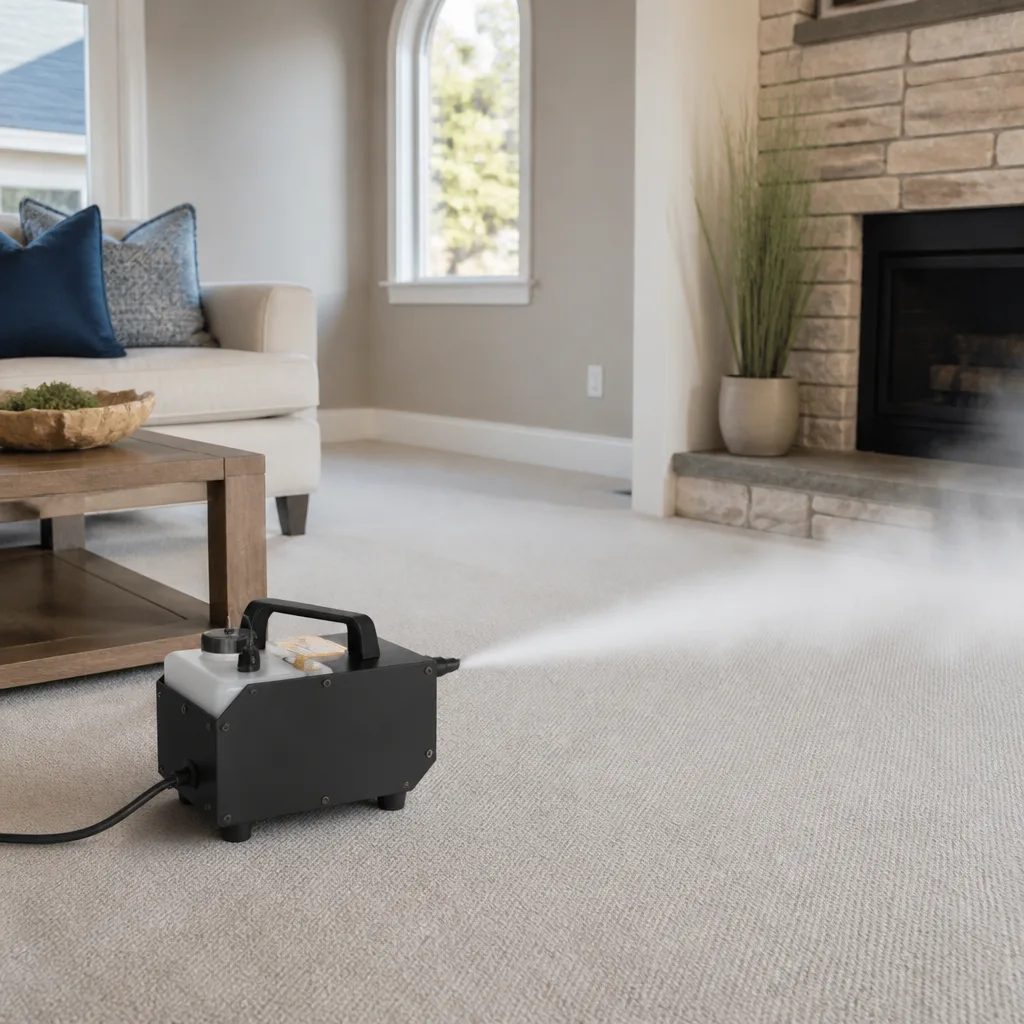 Sanitizing & deodorizing
Whole-system duct and dryer vent check with before-and-after photos - you see exactly what came out of your vents
That "$99 whole-house special" is a bait ad - the real number appears once they are in your hallway, or the "clean" is a shop-vac at the register. We photograph the inside of your ducts before and after instead.
DIY vs Professional Air Duct Cleaning: The Harlem Homeowner’s Decision Guide
A shop vac pulls roughly 60 to 80 cubic feet of air per minute. A contractor-grade negative-air machine moves 2,000 to 4,000. That gap is the whole decision. DIY duct “cleaning” with consumer equipment doesn’t remove contamination from a system; it usually relocates it, lifting settled debris off the duct floor and blowing it back through your registers into the rooms where you sleep and eat. In Harlem, where many apartments share a building’s HVAC backbone and wall-to-wall neighbors sit inches away, that redistribution has consequences beyond your own four walls. This guide covers the physics, what you can safely handle yourself, and how to check that a professional did the job right.
Quick Answer
DIY air duct cleaning in a Harlem apartment is limited to surface-level tasks: register wiping, filter changes, and visual inspection with a phone camera. Genuine duct cleaning requires negative-air containment and mechanical agitation equipment that consumer tools can’t match, because a household vacuum can’t reach the airflow needed to extract debris from duct walls instead of scattering it. For anything inside the ductwork itself, or for shared trunk lines in a co-op or rental building, a professional with contractor-grade equipment is the right call.
Styles & brands we work with
- Whole-home duct cleaning
- Dryer vent cleaning
- Camera inspection
- Sanitizing & deodorizing
Table of Contents
- The Physics of Duct Cleaning: Why CFM and Static Pressure Decide Everything
- What a Harlem Homeowner Can Legitimately Do Without Pro Equipment
- NYC Apartment Constraints That Change the DIY Calculus
- When DIY Is Not Just Ineffective But Counterproductive
- How to Verify a Professional Did the Job Correctly
- The Equipment Difference: Rotobrush, Nikro, and Negative-Air Containment
- Dryer Vents: The Part of DIY That’s a Genuine Safety Risk
- Common Mistakes to Avoid
- When to Call a Professional
The Physics of Duct Cleaning: Why CFM and Static Pressure Decide Everything
The number that matters on any vacuum is CFM: cubic feet per minute, the volume of air it moves. The second number is static pressure, the strength of pull against a sealed system. Consumer shop vacs tend to trade one for the other. A big-box shop vac might pull 150 CFM in open air but collapse to a fraction of that the moment it’s attached to a run of rigid ductwork with a filter and hose in the way. Purpose-built duct cleaning systems are engineered to hold strong airflow against the resistance of an entire duct network, which is why a Rotobrush or Nikro machine looks nothing like a wet/dry vacuum with a longer hose.
Here’s the practical consequence. Removing debris from a duct wall requires two things acting together: enough airflow to keep particles suspended, and mechanical agitation, a spinning brush or air whip, to break the bond between debris and the metal or flex surface. Suction alone, applied from one register, doesn’t scrub a duct wall 30 feet away. It just changes the pressure inside the duct, which is why weak equipment tends to lift dust off surfaces and push it out the nearest open register into your living room.
Negative pressure is the missing piece. A proper job seals the system, connects a high-CFM vacuum to one end, and keeps the entire duct network under negative pressure for the duration. Debris can only travel toward the machine. Consumer equipment can’t hold a whole apartment’s duct system under negative pressure, so a Saturday-afternoon shop vac project usually ends with the homeowner breathing what was in the ducts.
The airflow gap in plain numbers
- Consumer shop vac: roughly 60 to 80 CFM working against duct resistance
- Purpose-built duct cleaning system (Rotobrush, Nikro): designed to hold airflow and agitation through full duct runs, not just at the hose end
- Abatement Technologies air scrubbers and negative-air machines: 2,000 to 4,000 CFM of filtration and containment running alongside the cleaning tool
That’s not a marketing comparison. It’s the difference between extraction and redistribution. For a fuller picture of what a professional clean involves in this city, see our guide to air duct cleaning.
What a Harlem Homeowner Can Legitimately Do Without Pro Equipment
Plenty, actually. The line isn’t between “do nothing” and “hire someone”, it’s between surface maintenance a homeowner can handle well and interior duct work that requires contractor equipment. Four tasks fall clearly on the homeowner side.
- Clean and vacuum the supply and return registers. Remove the grille, wash it in the sink, wipe the visible duct mouth with a damp cloth. Do this every few months in a Harlem apartment where street dust and radiator sediment collect quickly.
- Change filters on schedule. A clogged filter starves the system and raises the load on the blower. Most HVAC specialists recommend checking monthly during heating season and changing based on what you see, not the calendar on the box.
- Inspect the dryer vent, don’t clean the full run. Pull the dryer out, disconnect the short flex section behind it, and check for lint buildup at the connection. Vacuum what you can see. The long concealed run through the wall or up the building shaft is a different job.
- Take a phone-camera look inside a register. Slide a phone with the light on into the duct mouth and film a few seconds. You’ll get a real read on visible dust load, debris, or anything that looks like microbial growth. Don’t reach in with a tool.
Notice what’s not on this list: running a shop vac down the duct. Consumer vacuums stir up more than they collect, and the hose itself can scrape flex ducting or push debris deeper into the system. For a broader walkthrough of the full service an apartment or house needs, our air duct cleaning Harlem page lays out the process.
NYC Apartment Constraints That Change the DIY Calculus
Harlem living adds a layer that doesn’t exist in a suburban house with a private HVAC system. Three constraints come up again and again.
Shared building infrastructure. Many prewar and mid-century buildings in Harlem have HVAC components running through risers, common shafts, or shared returns that serve more than one unit. A homeowner or renter who opens up a duct run in their own apartment may not have jurisdiction over what’s on the other side of that wall. Disturbing a shared trunk line without building approval can push debris into a neighbor’s apartment, and that becomes a co-op or condo problem fast.
Co-op and condo rule exposure. Buildings in Harlem, from Strivers’ Row to the blocks along Frederick Douglass Boulevard, often restrict alterations to common systems. A DIY duct attempt that involves cutting into drywall, opening a shared shaft, or disconnecting ductwork without board approval can trigger a violation. The work itself is one issue; the liability is another.
Older building materials. Prewar buildings can have ductwork sealed with mastics and materials whose condition is unknown. A homeowner abrading an interior duct surface with a consumer tool risks disturbing something they can’t assess. Professionals handle this with containment and documentation; a shop vac doesn’t.
None of this means you’re helpless. It means the boundary of what’s yours to work on is narrower in a Harlem apartment than in a house with its own mechanical room. Anything inside the duct run or touching a shared component should start with a professional inspection.
When DIY Is Not Just Ineffective But Counterproductive
There’s a class of situations where the consumer-equipment attempt moves the problem from “contained in the duct” to “loose in the apartment”. This is where our technicians draw a firm line and tell people to stop.
- Visible mold colonies inside ducts. A shop vac disturbs mold spores and sends them airborne across the room. Disturbance without containment is the worst outcome. Mold cleanup requires sanitizing treatment after the mechanical clean, and the treatment should follow, not precede, extraction.
- Heavily settled debris. If the return duct has a visible layer of dust and debris on the bottom, disturbing it with light suction lifts the load without capturing it. The particles go straight into the living space; that’s why proper jobs use negative-air containment before any agitation begins.
- Systems under equipment warranty. Some HVAC manufacturers treat evidence of unapproved work as a warranty matter. A homeowner opening up ductwork without a documented procedure risks a coverage dispute down the road.
- Pest or moisture intrusion. A duct with a rodent infestation or standing moisture is a health and safety situation, not a cleaning one. Dislodging it without containment compounds the problem.
- Ducts that need repair. If ducting is crushed, disconnected, or leaking at joints, cleaning it won’t help. A shop vac can’t diagnose that; a professional inspection can, and duct sealing to resolve the leaks is where the fix lives.
Our technicians have up to 10 years of experience and know the difference between a duct that needs cleaning and a duct that needs repair. When the decision isn’t obvious, it’s worth a call.
How to Verify a Professional Did the Job Correctly
This is the accountability question that separates a real practitioner from a coupon in a mailer. Here’s what you should be able to ask for and see, whether the technician is working on your Harlem apartment or a house elsewhere in the city.
- Before-and-after photos. Not stock images. Actual photos of your ducts, taken from inside the system with a camera on the cleaning tool. Every airflow job should produce these.
- A documented pressure reading. A professional job holds the system under negative pressure during cleaning. Ask the technician to confirm this with a gauge reading at the machine. If they can’t or won’t, that’s a walk-away signal.
- Evidence of containment. The machine should be set up with Abatement Technologies air scrubbers or a comparable negative-air rig running. You should see containment equipment, not just a hose and a shop vac.
- Post-cleaning documentation. A written summary of what was cleaned, what was found, and any follow-up recommendations (registers to check, filters to replace, dryer vent condition).
- A written estimate before work starts. One flat price per system, agreed in writing. Not per vent, not contingent on what the tech finds halfway through. That’s how you avoid the bait-and-switch quote that becomes a much larger invoice once the equipment is out.
For more on the verification side and how we handle it, our HVAC cleaning page covers the full mechanical side of an apartment or home job.
The Equipment Difference: Rotobrush, Nikro, and Negative-Air Containment
The single biggest disqualifier of DIY is equipment, not effort. Our technicians work with Rotobrush and Nikro mechanical cleaning systems, which are purpose-built for the inside of ductwork. They agitate the duct wall with a rotating brush head or air whip while a high-flow vacuum pulls the loosened debris back into collection, and the run happens inside a sealed system held under negative pressure the whole time.
Alongside the cleaning gear, we run Abatement Technologies air scrubbers and negative-air equipment during service. That gear does one job: contain debris and airborne particulates so they don’t redistribute through the apartment, hallway, or shared building space. In a Harlem co-op or a busy rental building, that containment matters as much as the cleaning itself.
The other thing a purpose-built shop brings is the ability to move from one task to the next without switching vendors. Cleaning, duct repair and sealing, sanitizing with Guardsman-grade treatment, and air quality upgrades using Honeywell and Aprilaire components can all be scoped in a single visit. A homeowner who starts with a DIY attempt usually ends up calling someone anyway, and the starting condition is often worse.
For a sense of the scale of what a proper rig looks like compared to a shop vac, picture a washing machine versus a garden hose. Both move water. Only one is designed for the volume.
Dryer Vents: The Part of DIY That’s a Genuine Safety Risk
Dryer vent cleaning is the one part of the DIY conversation that belongs in a separate category, because a poorly handled dryer vent isn’t a dusty-duct problem, it’s a fire-safety problem. Lint is highly flammable, and a restricted vent forces the dryer to run hotter and longer. That’s a leading cause of residential fires, and it’s exactly the sort of thing a homeowner doesn’t want to guess at.
What a Harlem homeowner can do: clean the lint trap before every load, and pull the dryer out to vacuum the short flexible connection behind it. What requires a professional: the concealed run through the wall, the vertical shaft in a multi-unit building, and any run that shows signs of heat exposure or crushing. Access, containment, and the ability to verify the full run is clear are why dryer vent cleaning is its own dedicated service for us, not an add-on.
If you’re a Brooklyn homeowner working through the same decision, our guide to air duct cleaning in Brooklyn covers the local building constraints.
Common Mistakes to Avoid
- Assuming a shop vac counts as duct cleaning. A consumer vacuum can’t generate the negative pressure to extract debris from duct walls. It typically lifts and redistributes settled dust into the room.
- Hitting visible mold with suction first. Disturbing a mold colony before containment is up means releasing spores into the room. Mold should follow extraction, not precede it.
- Opening shared trunk lines without building approval. In Harlem co-ops and condo buildings, disturbing a shared duct component can push debris into a neighbor’s unit and trigger a board violation.
- Cleaning a duct that needs repair. If a duct is crushed, leaking, or disconnected, cleaning it doesn’t help. Diagnosis first, then a fix. Sealing is a separate step.
- Ignoring the dryer vent because the ducts seem okay. Dryer vent restrictions are a fire risk independent of overall duct condition. They deserve their own look.
- Accepting a per-vent quote over a flat price. A per-vent or coupon-based estimate tends to inflate once on-site. Ask for one flat price in writing for the whole system.
- Skipping the before-and-after photos. If you can’t see inside your ducts on before-and-after frames, you have no way to verify the work was actually done.
When to Call a Professional
Call a professional if the inside of your ducts has visible debris or growth, if you can smell mustiness when the system runs, if you’ve had a pest or moisture issue in the ducting, if the system seems to move less air than it used to, or if the ducts may need repair or sealing. Call if the dryer feels hotter than normal or takes two cycles to dry a load. Call if you’re in a co-op, condo, or rental where the HVAC runs through shared shafts or common components and you’re not sure what’s yours to touch.
Air Duct Cleaning Harlem offers free estimates in Harlem. We work with Rotobrush and Nikro for the mechanical clean and Abatement Technologies equipment for containment, and we scope the whole system in one visit so there’s no need to coordinate separate vendors. Call (866) 937-8817. We answer 24/7. Fast dispatch from 7am to 7pm, Sunday through Friday.
See the difference
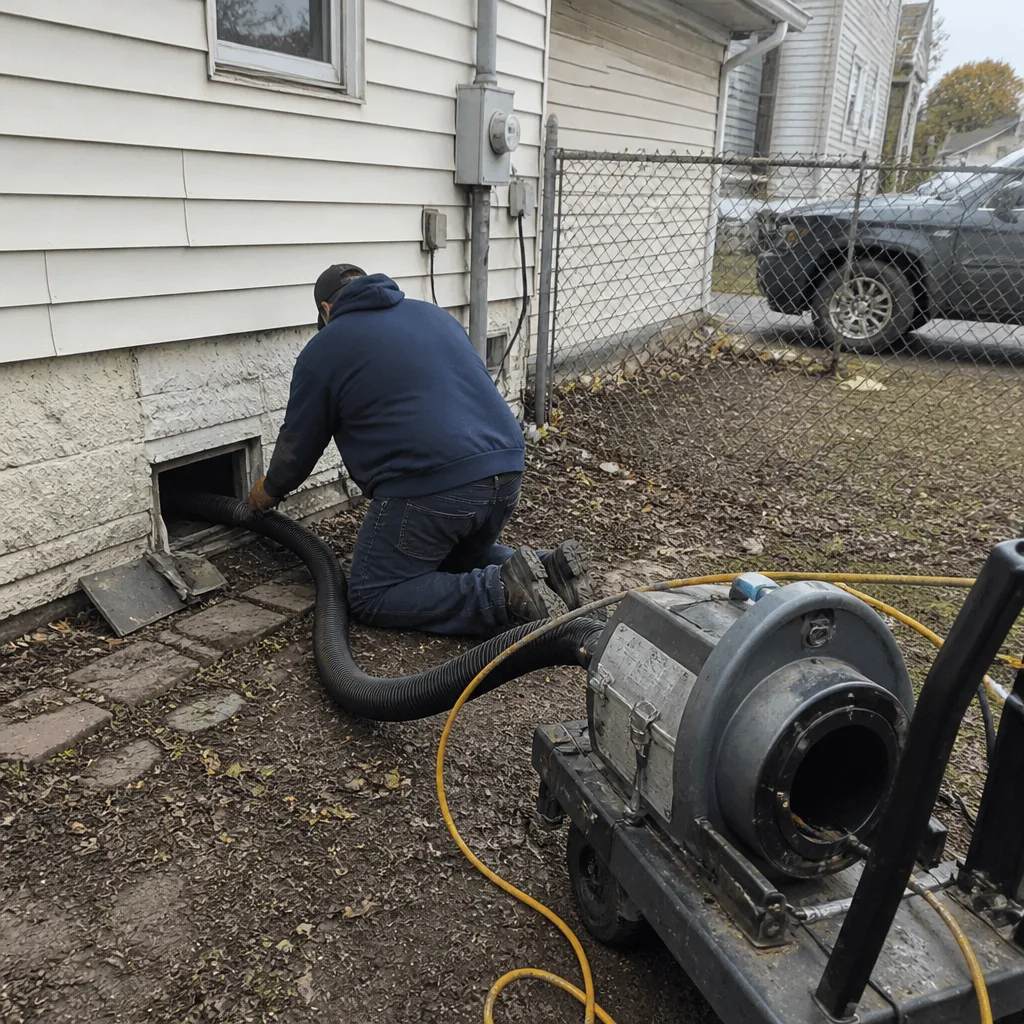 Before
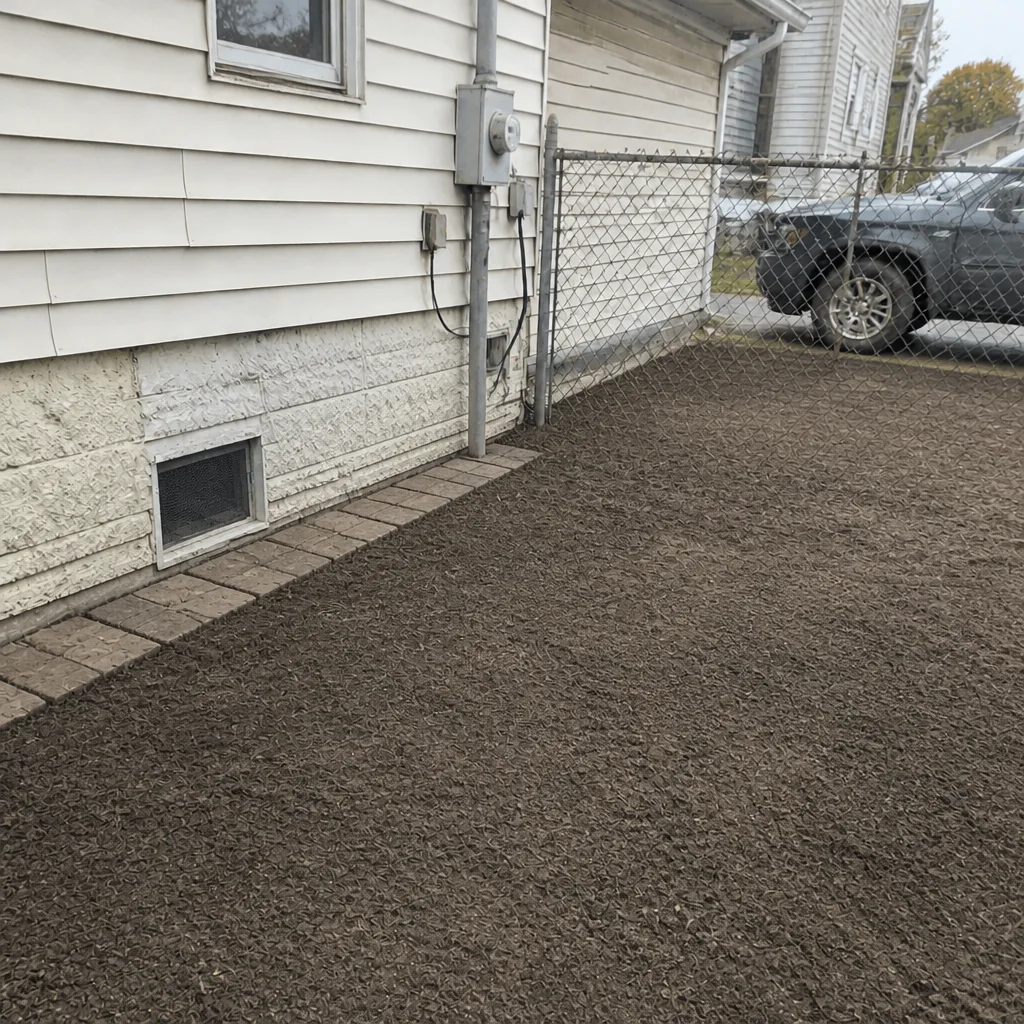 After
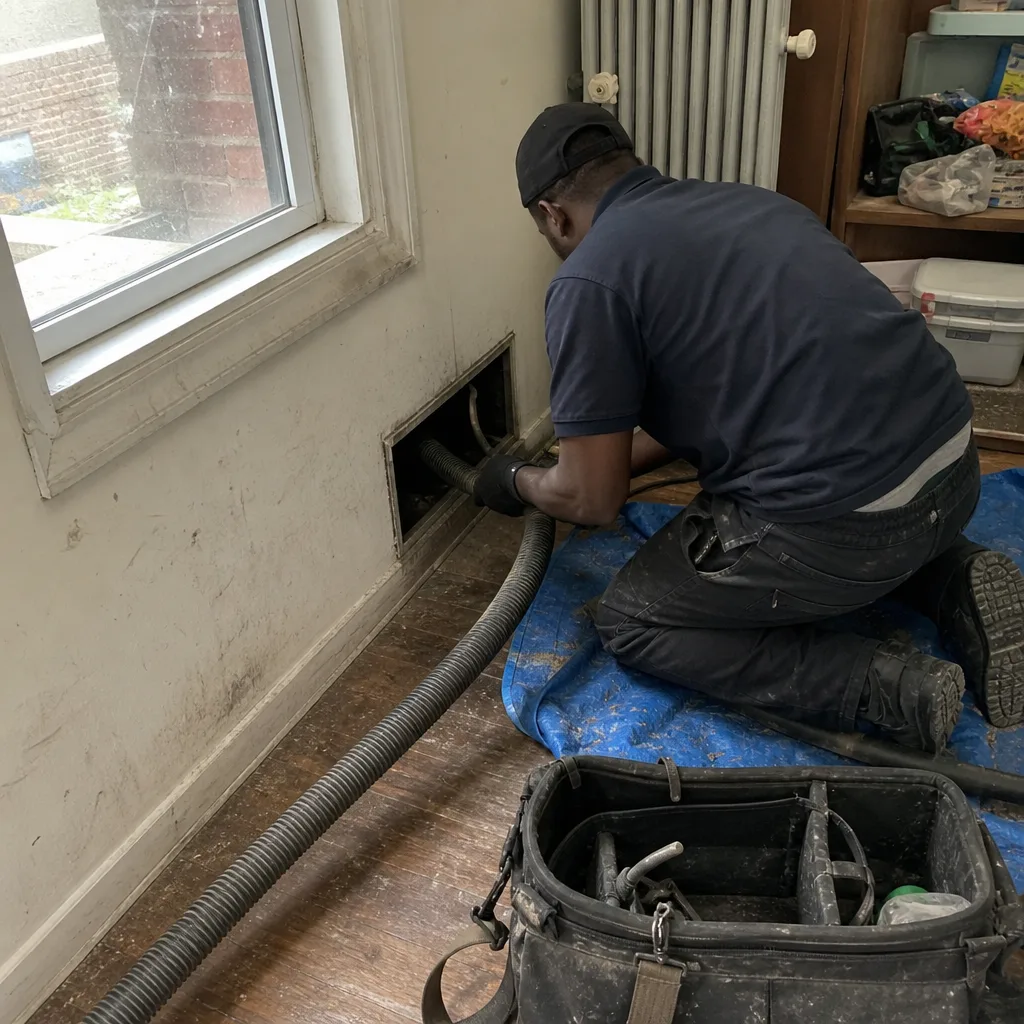 Before
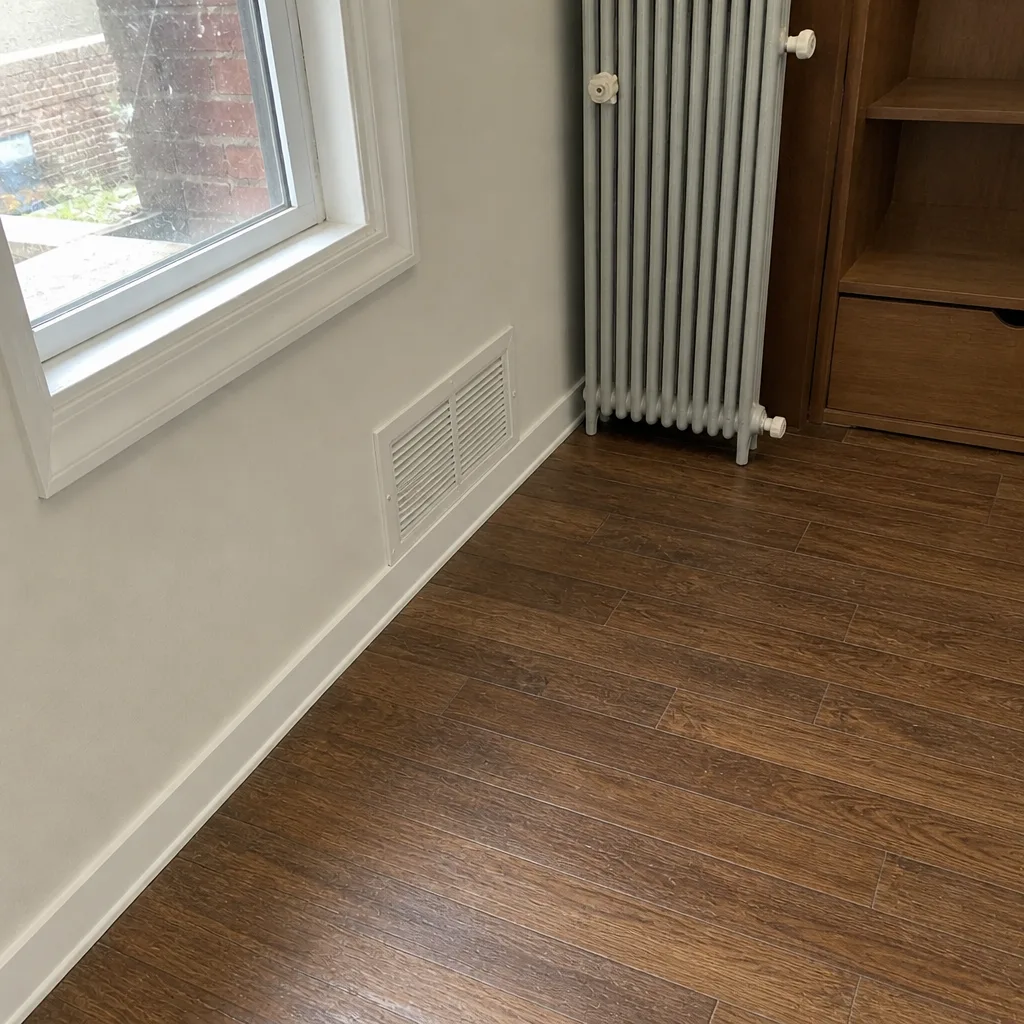 After
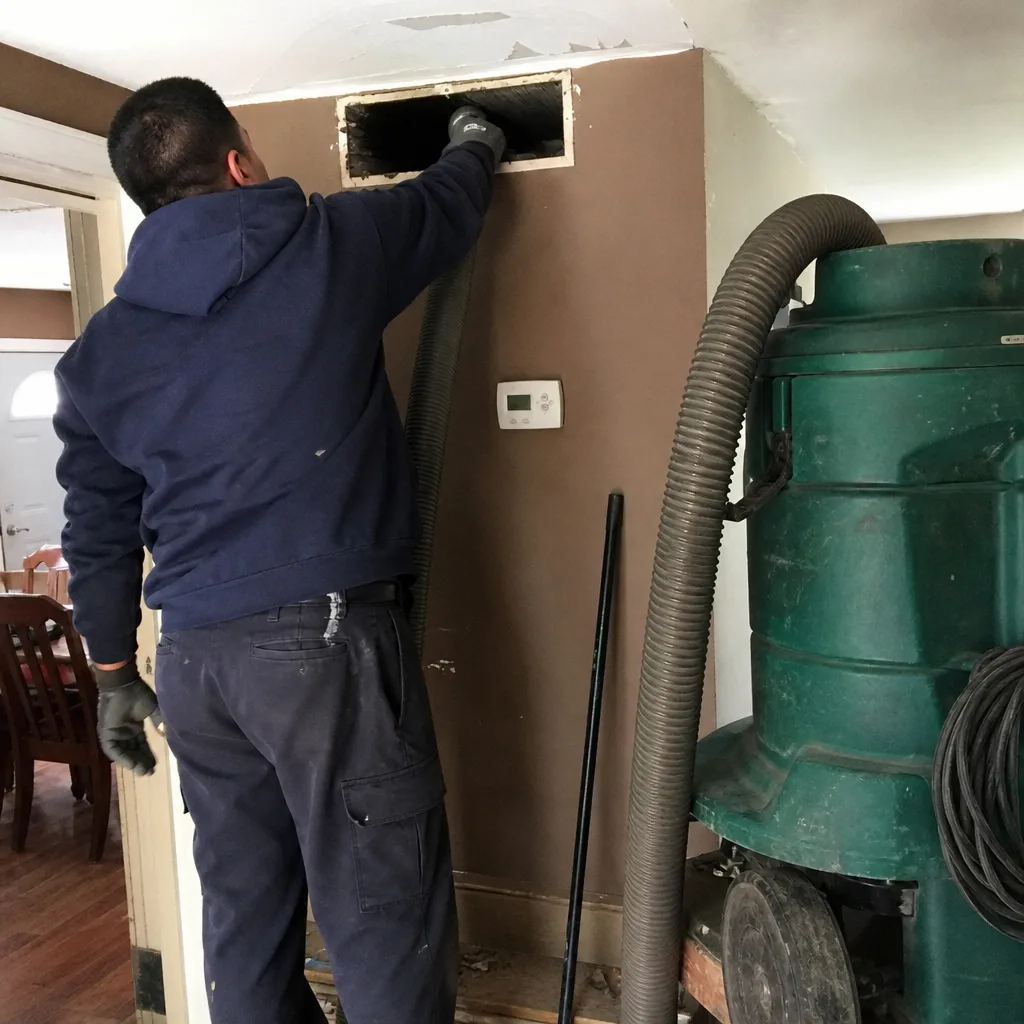 Before
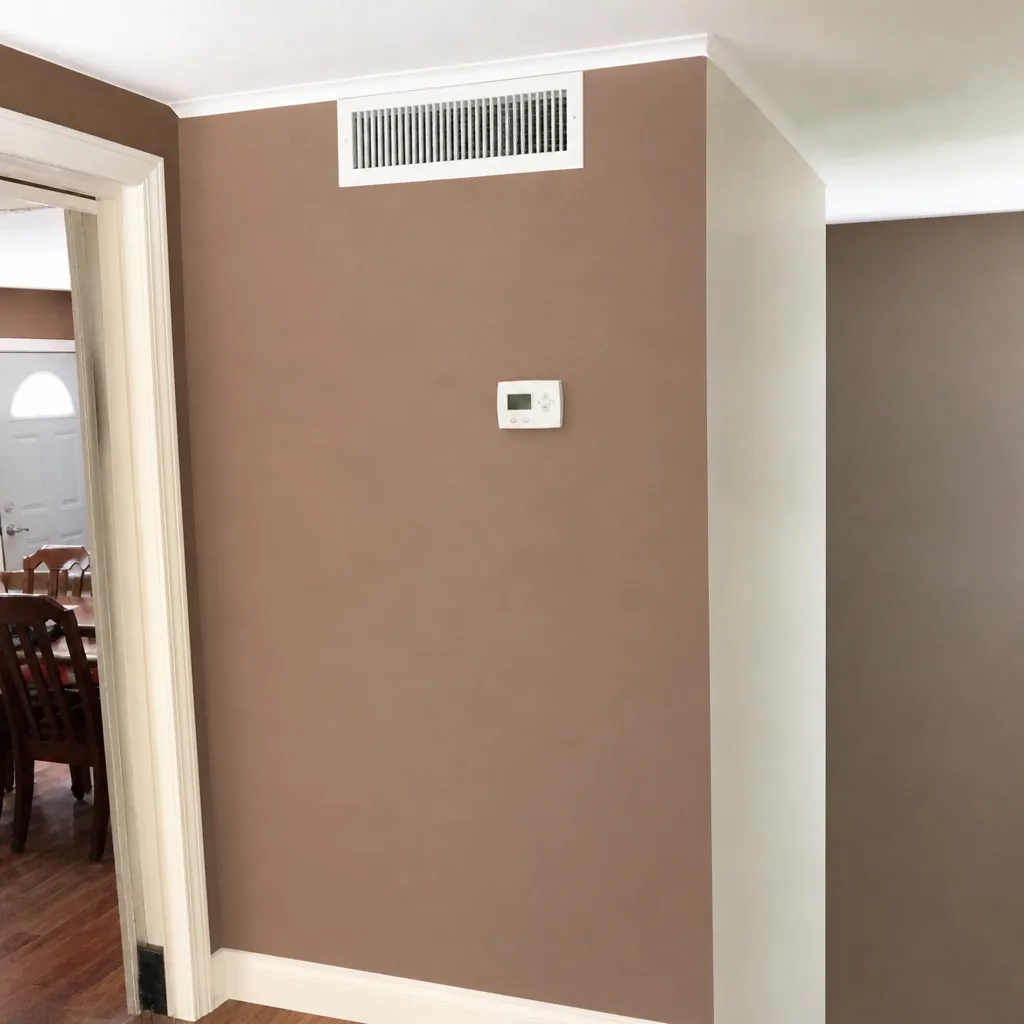 After
Frequently Asked Questions
Only surface tasks are realistic for a homeowner: register cleaning, filter changes, and visual inspection with a phone camera. Anything inside the duct run requires contractor equipment to hold the system under negative pressure, and in shared-building situations the duct may not even be within your control. For the interior work, a professional is the right call.
Cheap quotes usually reflect cheap equipment, a shop vac and a hose rather than a Rotobrush or Nikro rig, and often a per-vent price that inflates once the technician is on site. The thing to ask for is one flat price per system in writing before work starts, plus before-and-after photos of your own ducts. Call (866) 937-8817 for an exact quote; estimates are free.
Ask for before-and-after photos from inside your own ducts and a documented summary of what was cleaned. You should also be able to see containment equipment running during the job since a proper clean holds the system under negative pressure the whole time. If a technician can’t show you photos and can’t show you the equipment, walk away.
Filter changes, register cleaning, and a phone-camera peek inside are all worthwhile, low-risk homeowner tasks. Anything that involves suction inside the ductwork is not. A consumer shop vac moves 60 to 80 CFM against duct resistance, which is not enough to extract debris, so a DIY attempt usually redistributes more than it removes.
You can clean the lint trap every load and vacuum the short connection behind the dryer. The concealed run through the wall or up a building shaft is a different matter; restricted dryer vents are a leading cause of residential fires, and that run needs proper access and verification. This is the one part of the DIY conversation that’s a genuine safety issue, not just an effectiveness question.
There’s no universal calendar. What matters is condition: visible debris inside the ducts, a musty smell when the system runs, reduced airflow, a recent renovation, or a pest or moisture issue. A visual inspection with a phone camera is the cheapest way to check. If it shows a real load of debris, it’s worth a professional look, and a call to (866) 937-8817 gets you a free estimate.
The Bottom Line
The DIY versus professional question for duct cleaning comes down to equipment capability and containment, not effort. Consumer vacuums can’t generate the airflow to extract debris from duct walls, and in Harlem’s shared-building environment, redistribution of dust and mold spores has consequences beyond your own apartment. What’s worth handling yourself is clear: filters, registers, visible dryer vent connections, and a phone-camera inspection. What requires a professional rig is everything inside the duct system. One flat price per system, before-and-after photos, and containment equipment running during the job are the three things to verify on any quote. Healthier air, not just cleaner ducts.
Call (866) 937-8817 for a free estimate. We answer 24/7. Fast dispatch from 7am to 7pm, Sunday through Friday.
Written by the team at Air Duct Cleaning Harlem.