
Last updated November 22, 2026
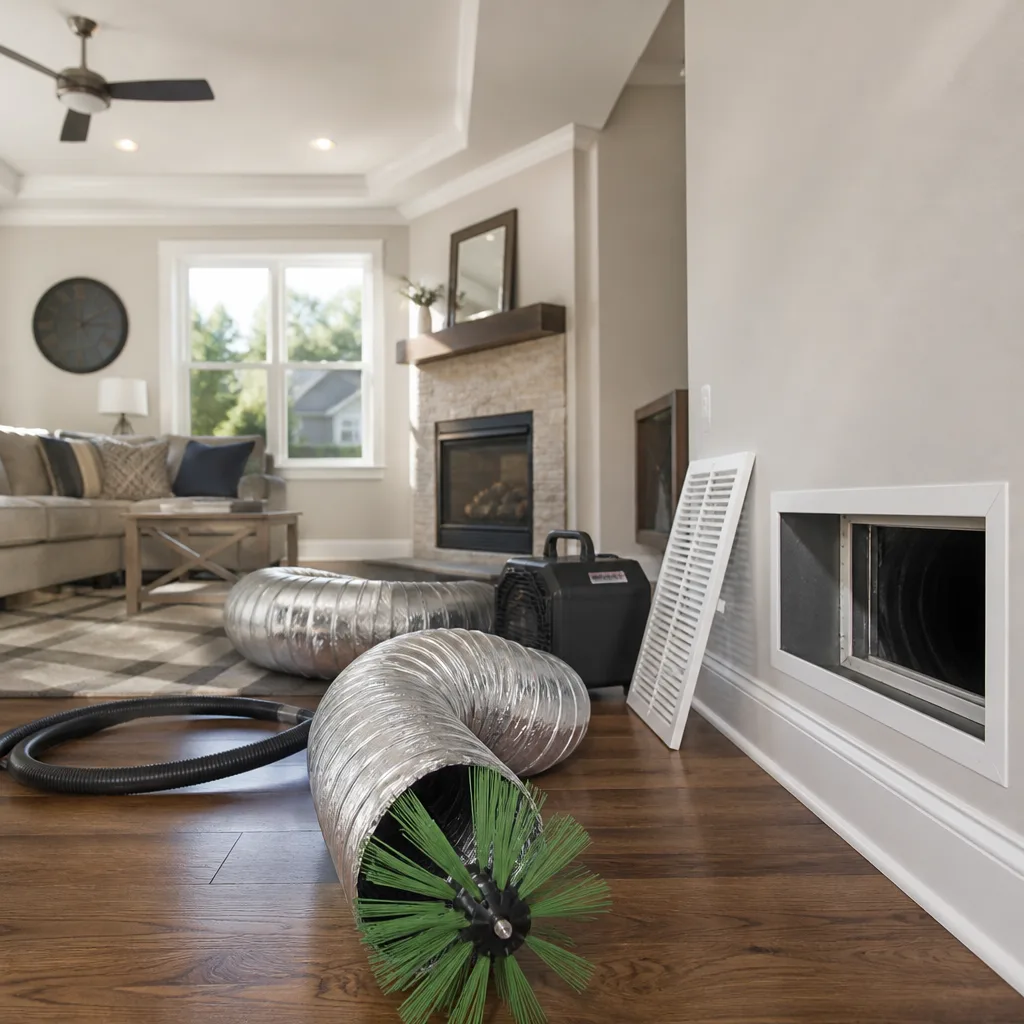 Whole-home duct cleaning
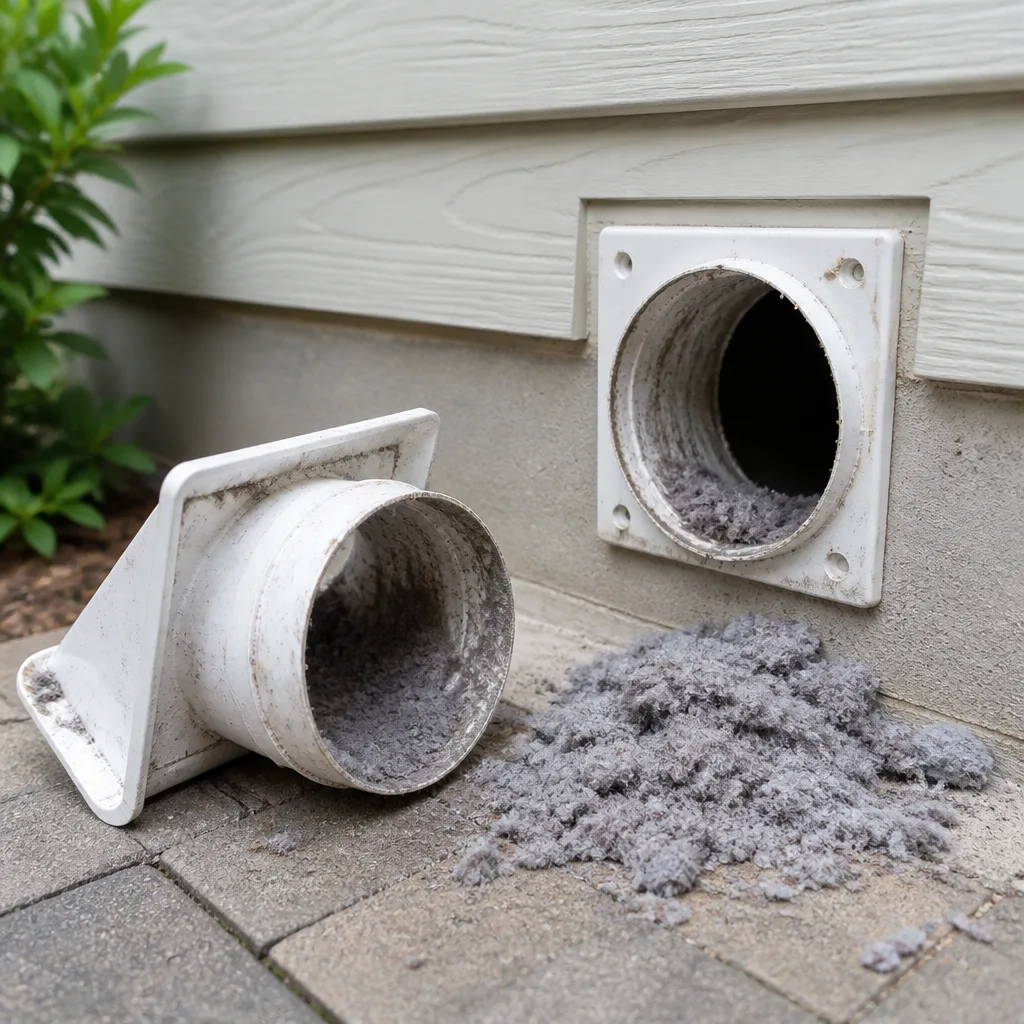 Dryer vent cleaning
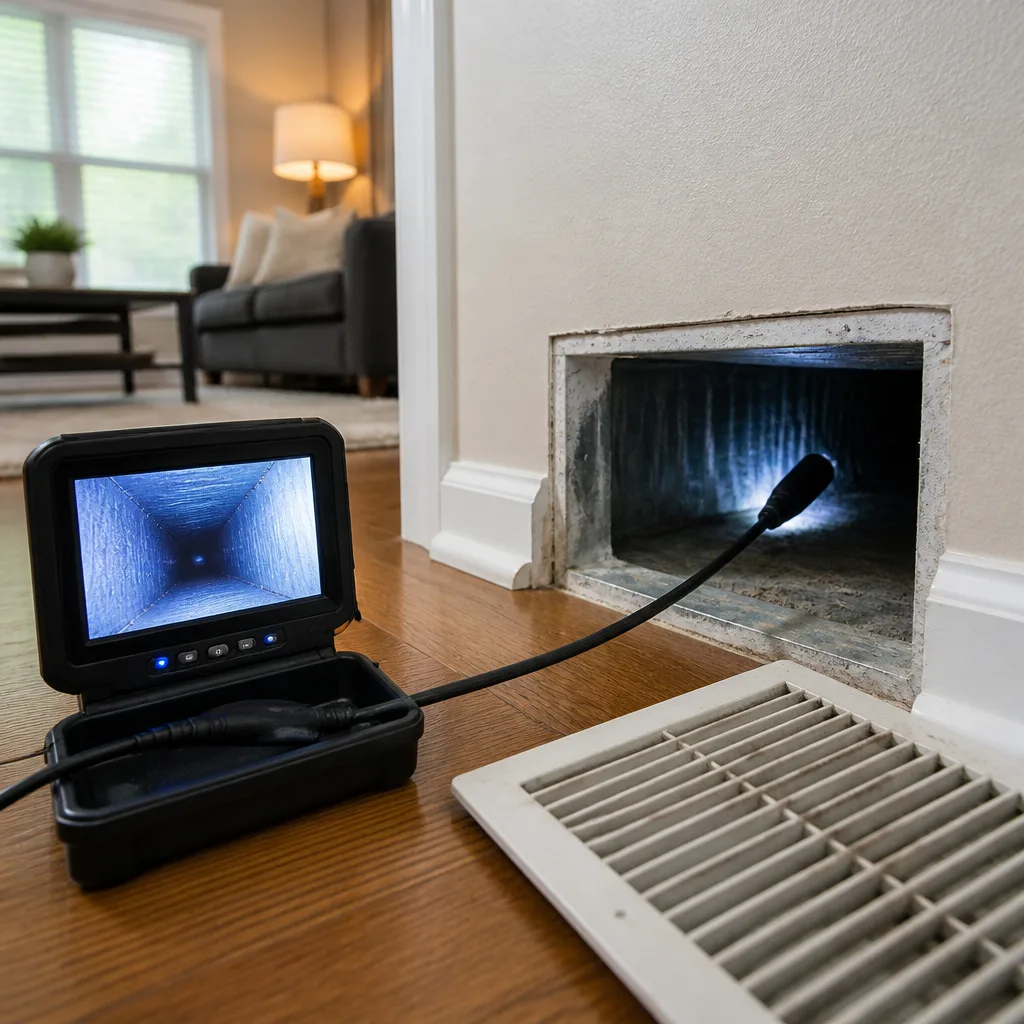 Camera inspection
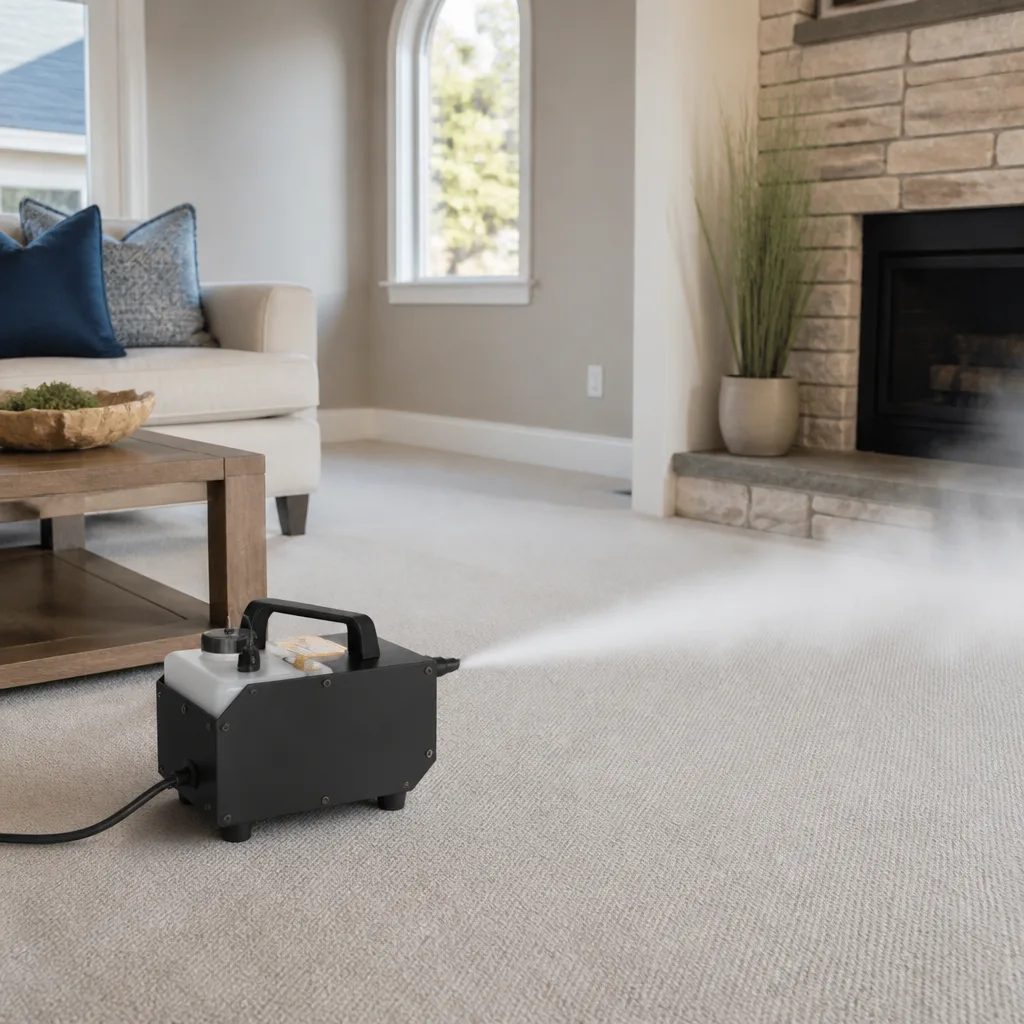 Sanitizing & deodorizing
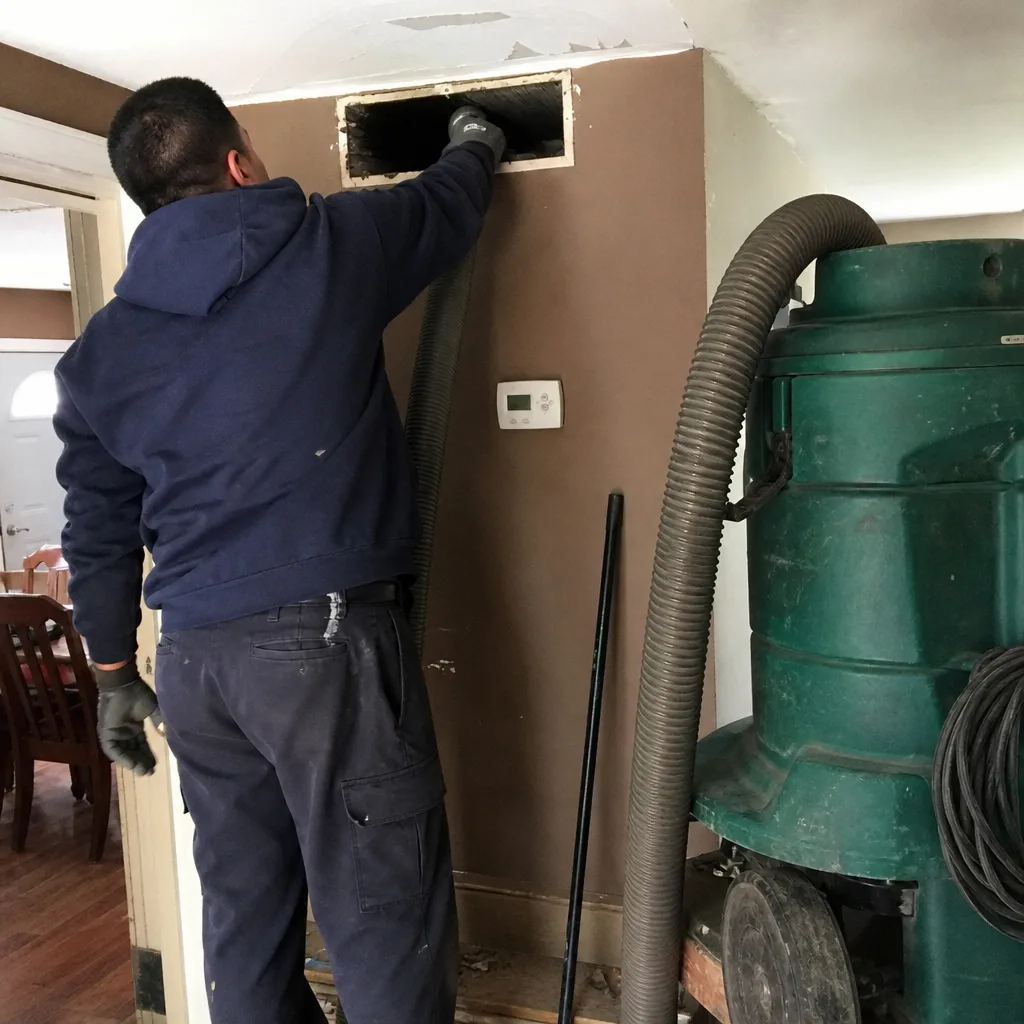
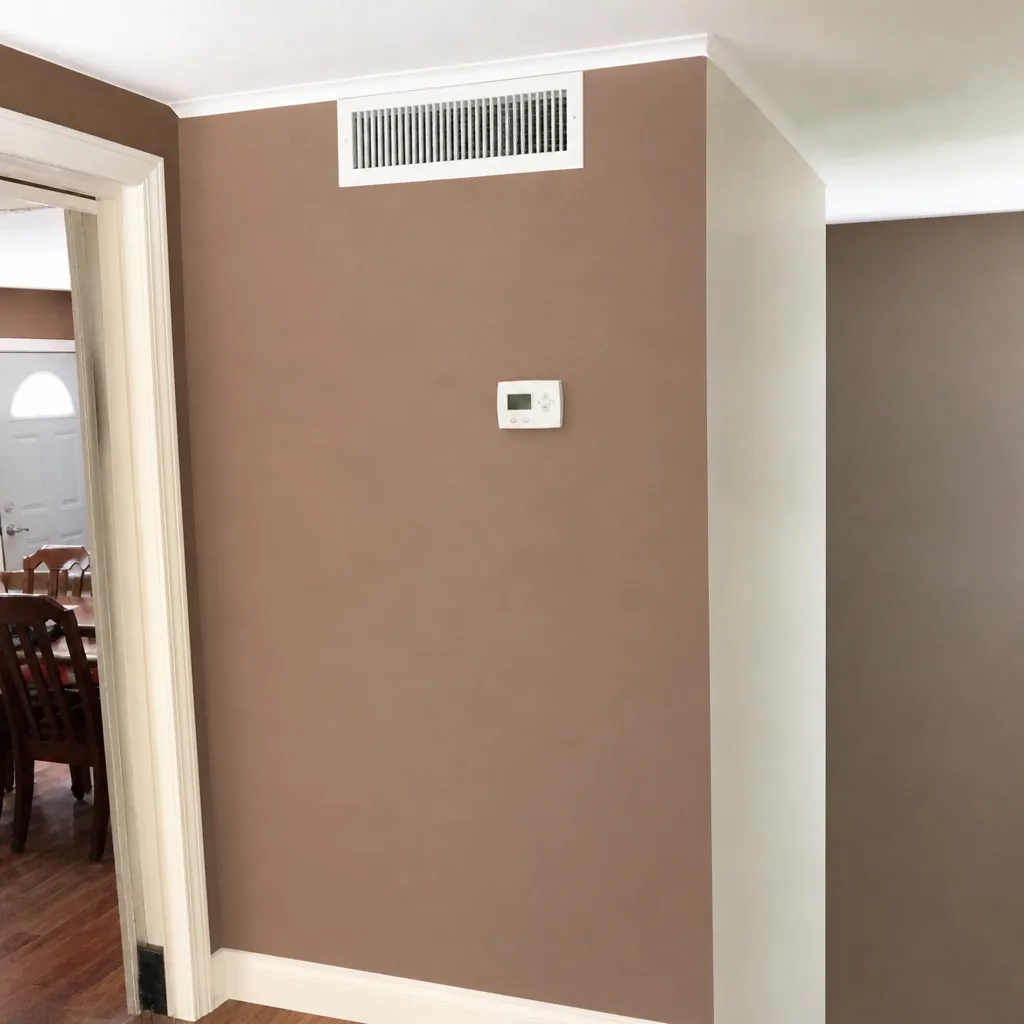
Whole-system duct and dryer vent check with before-and-after photos - you see exactly what came out of your vents
That "$99 whole-house special" is a bait ad - the real number appears once they are in your hallway, or the "clean" is a shop-vac at the register. We photograph the inside of your ducts before and after instead.
Air Duct Cleaning Permits, Codes & Inspections in Harlem, NY: What You Need to Know
Most people assume a permit is never part of air duct cleaning. In most cases they’re right, and that’s exactly what makes this confusing: duct cleaning becomes duct work the moment a technician cuts into a run of flex duct, replaces a damaged liner, or installs equipment that changes how the system moves air. In New York City, that line between routine maintenance and alteration work carries real consequences, up to unpermitted changes sitting against your certificate of occupancy. This guide walks through where the NYC Department of Buildings draws that boundary, what the energy code and Local Law 97 mean for HVAC work done during a cleaning, what Housing Maintenance Code Section 27-2029 asks of Harlem landlords, and which documents to collect from any contractor who touches your ductwork.
Quick Answer
Air duct cleaning alone generally does not require a permit in New York City, because cleaning and routine maintenance fall outside the alteration work the NYC Department of Buildings regulates. The picture changes when a job involves removing and replacing duct sections, cutting new openings, or installing components that alter the system: those repairs can trigger a DOB filing and require a licensed contractor. In Harlem’s co-ops and condos, board alteration agreements add a separate layer of approval on top of city code.
Styles & brands we work with
- Whole-home duct cleaning
- Dryer vent cleaning
- Camera inspection
- Sanitizing & deodorizing
Table of Contents
- Where the NYC DOB draws the line between cleaning and alteration work
- How the energy code and Local Law 97 touch duct work in Harlem
- Housing Maintenance Code 27-2029: what Harlem landlords owe tenants
- Co-op and condo board approvals in Harlem buildings
- What paperwork to request after duct repair or replacement
- What an inspection actually checks and who performs it
- Dryer vent cleaning: the fire-safety side of the code
Where the NYC DOB Draws the Line Between Cleaning and Alteration Work
The NYC Department of Buildings treats cleaning and routine maintenance differently from alteration work, and the distinction rests on whether the work changes the building’s systems or just restores them. Pulling years of dust, debris, and accumulation out of duct runs doesn’t alter anything structural, so no filing comes with it. Repair does. A duct that is removed, cut, rerouted, or connected to a new component is part of a mechanical system the code regulates, and that’s where permits enter the conversation.
The boundary gets crossed in a handful of predictable ways:
- Replacing a section of rigid or flex duct. When a damaged run is cut out and new duct installed in its place, the work modifies the mechanical distribution system.
- Cutting new openings or registers. Adding a supply or return where none existed changes the system’s design, not just its condition.
- Installing a UV or in-duct air treatment system. Adding electrical equipment inside the duct system usually brings in both mechanical and electrical review.
- Sealing that changes airflow characteristics. Sealing leaks at joints is maintenance; reconfiguring a trunk or capping a branch is not.
What this means for a Harlem homeowner or managing agent is simple: ask which side of the line the proposed work falls on before anyone starts. If the technician describes sealing pinholes and cleaning coils, you’re in maintenance territory. If they describe cutting out a collapsed run of flex duct behind a kitchen ceiling in a prewar building, that’s a repair, and you should ask whether a DOB filing is needed. A reputable contractor will answer that question without being pressed, because they know the difference themselves.
One practical wrinkle here: many Harlem buildings have ducts that were retrofitted into older structures long after original construction, and the drawings on file don’t always match what’s actually inside the walls. That mismatch is a reason to be more careful, not less. When the as-built record is unclear, the safest course is to treat any structural work as work that needs a filing review, and to have the discovery documented before the job proceeds. This is one of the reasons our technicians photograph duct interiors during a walkthrough: what gets found in a 1920s building is not what gets found in a 1980s one.
How the Energy Code and Local Law 97 Touch Duct Work in Harlem
New York City’s energy code requires that duct systems be sealed against leakage wherever ducts are installed or replaced in a building’s conditioned space, and Local Law 97 sets carbon limits that make leaky, inefficient systems a bigger liability for building owners every year. Duct service sits right on top of both. A duct system leaking heated or cooled air into a wall cavity is wasting energy the building pays for, and the repair work that fixes it is the kind of work governed by the energy code.
In practical terms, three things follow from this for anyone ordering duct service in Harlem:
- Sealing is part of the standard, not an upgrade. When duct sections are replaced, joints and connections are expected to be sealed to code. If a contractor leaves connections unsealed, the work is incomplete regardless of how clean the ducts look.
- Documentation matters to building owners facing Local Law 97 filing. A managing agent tracking energy use benefits from a paper record showing duct modifications and sealing were done to the applicable standard.
- Airflow changes have consequences. Altering duct design affects the whole mechanical system, which is another reason significant changes belong with a licensed mechanical contractor working from filed plans.
For a single-family homeowner in Harlem, the energy code mostly shows up as a quality question: did the work get sealed properly, and is the system moving air the way it was designed to? For a multi-family building, the same questions come with a compliance dimension, because energy performance is being measured and reported. In our experience, the buildings that keep clean, sealed ducts end up with fewer comfort complaints and less wasted capacity, which is the plain-language version of what the code is asking for. None of this is a reason to skip maintenance. It’s a reason to treat duct repairs as real mechanical work rather than a quick patch, and to know the difference before you sign an estimate.
Housing Maintenance Code 27-2029: What Harlem Landlords Owe Tenants
Section 27-2029 of the NYC Housing Maintenance Code places an obligation on building owners to keep ventilation systems in good working condition, so that habitable spaces are supplied with adequate air. That’s a legal duty owed to tenants, not a suggestion. For a landlord in Harlem, a duct system clogged with debris, a vent that no longer delivers supply air, or a mechanically ventilated unit running well under capacity is a condition that can land on a violation report.
The dividing line for landlords is usually responsibility, and it’s worth writing out plainly:
- Know which air is yours. Building-wide ventilation and the mechanical systems serving common areas fall under the owner’s maintenance obligations. Tenant-owned appliances and in-unit equipment the owner never installed usually don’t, though the ductwork serving the unit may.
- Document condition before a complaint arrives. Inspection photos of duct interiors and airflow readings give a baseline that separates a pre-existing condition from an ongoing violation.
- Track the work order trail. When a complaint comes in, a record showing the system was recently cleaned, sealed, and verified is the strongest thing an owner can hold.
- Clean on a schedule, not on a violation. Establishing an interval based on the building’s condition and occupancy is far cheaper than reacting after an inspection.
Harlem’s housing stock makes this more than a paperwork exercise. Many walk-ups in the neighborhood have small mechanical spaces, ducts routed through tight chases, and ventilation that was never designed with today’s standards in mind. If a system has gone years without service, the first professional cleaning often reveals leaks and disconnected runs nobody knew about, and finding that before an inspection is worth considerably more than finding it after. In our experience, landlords who schedule cleaning as maintenance treat it as the cheaper option, and they’re right.
Co-op and Condo Board Approvals in Harlem Buildings
City code is not the only approval layer in Harlem. A large share of the neighborhood’s housing is co-op and condo stock, and most buildings’ alteration agreements give the board its own say over work that affects common elements, building systems, or the structural fabric. Duct cleaning rarely rises to that level. Duct repair, replacement, or any work that requires opening ceilings or walls in shared spaces often does.
What boards commonly ask for before approving this kind of work:
- An alteration agreement or work request form covering scope, dates, insurance, and access to common areas.
- Proof of insurance from the contractor, including general liability coverage and, where the building requires it, workers’ compensation.
- Confirmation of the contractor’s licensing status for any work the city considers alteration work.
- A schedule that keeps the building’s own quiet and access rules intact, including how debris gets removed from the unit.
One thing we’ve learned about Harlem co-ops specifically: roof spaces and mechanical rooms in these buildings are often shared among several systems, and one resident’s duct repair can touch equipment serving other units. Boards want that mapped out before work starts, which is reasonable. Managing agents who come to an appointment with the building’s alteration agreement already on hand, and a clear scope of what’s being opened and what’s being sealed, get approvals faster than ones who treat the board as an afterthought. The same discipline applies to condos, where the distinction between unit property and common elements determines who signs off on what. If you’re unsure where the boundary sits in your building, ask the managing agent to point you to the alteration agreement first; that document usually answers the question in plain terms.
What Paperwork to Request After Duct Repair or Replacement
The moment duct service includes real repair work, the customer is exposed to a risk they don’t always see: a later buyer’s attorney, or a building inspector, asking who did the work and whether it was permitted. Questions back up nicely with documents. Siloed memory and a verbal promise don’t. Collect the paperwork before the final invoice clears, not months later.
A short checklist worth keeping:
- Certificate of insurance. Confirm the contractor carries general liability coverage and workers’ compensation, and confirm the certificate is current. It protects you if a wall or ceiling gets damaged.
- Licensing documentation. For work that amounts to alteration work in New York City, ask for the license status the job requires. The local pro we connect you with is licensed and insured as their state requires; get the number in writing.
- DOB filing or permit numbers, where applicable. If the job required a filing, ask for the job number and keep it with your building records. If the answer is “none was needed,” ask why in writing.
- Scope of work. What was cleaned, what was repaired, what was replaced, and what was sealed. This becomes the baseline for every future inspection of the system.
- Before-and-after photos. Interior shots of the ducts are the clearest record that work was performed and what condition the system was in beforehand and afterward.
This is where equipment literacy pays off. A contractor running proper Rotobrush mechanical cleaning systems and containing debris with Abatement Technologies negative-air equipment will have both the documentation and the physical evidence to back it up. Generalist crews working with a shop vacuum generally won’t, and that mismatch tends to show up at exactly the worst moment in a property transaction. We’ve handled enough of these requests in Harlem to know the paperwork barely takes a minute to assemble when the job was done properly, and takes months to reconstruct when it wasn’t.
What an Inspection Actually Checks and Who Performs It
No single city agency inspects residential air ducts on a running schedule. That’s the bottom line. Duct condition gets examined in real situations like these:
- When a DOB filing accompanies alteration work, an inspector verifies the mechanical work matches the filed plans and meets code.
- When a tenant or resident files a housing complaint, an inspector examines conditions against the Housing Maintenance Code, ventilation included.
- During a real estate transaction, a home inspector covers visible ductwork and HVAC components, and may flag disconnected, damaged, or unclean runs.
- During a building’s own periodic service, a qualified contractor photographs duct interiors, checks airflow, and reports conditions, which is the most useful of the four.
Each of these checks look for different things. A city inspector isn’t grading dust levels; they’re checking whether the work and the conditions meet a code standard. A home inspector is looking for visible red flags, not opening every run. A contractor’s report is the only one that tells you what’s actually inside the system.
This is also where condensation and construction-era issues show up on their own terms. Harlem’s heating and cooling season swings hard enough that poorly sealed ducts in conditioned space tend to grow condensation, and a system whose lining has stayed damp for a long time is a different job from a system that’s simply full of dust. When a technician finds damaged lining during a routine clean, the honest move is a repair conversation, not a shrug. If your building is scheduled for a walkthrough and you want someone who will actually open the system and document it, we’re the people who do that work in Harlem.
Dryer Vent Cleaning: The Fire-Safety Side of the Code
Duct cleaning and dryer vent cleaning are different services with different stakes. A clogged dryer vent is a leading cause of residential fires, and the standards that govern vent installation and maintenance exist for that reason. This is also why vent cleaning is a named service for us rather than an item tacked onto the end of a duct job: it’s safety work, and it deserves the same containment discipline as anything else.
What to know about dryer vents in Harlem’s housing stock:
- Inspection matters as much as cleaning. A technician should trace the full run, check the exterior termination, and flag crushed or disconnected sections behind the machine.
- Long, winding runs clog first. Dryer vents routed through longer paths inside prewar buildings fill faster and need the schedule adjusted accordingly.
- Rigid duct beats flexible foil. Where vent runs get replaced, rigid metal duct does a better job of resisting accumulation.
- Signs of reduced exhaust flow (damp loads, longer dry times, a hot dryer top) are a reason to have the vent checked, not a nuisance to ignore.
For a landlord or property manager, dryer vent work sits alongside ventilation obligations as part of the same maintenance obligation owed to residents. For a homeowner, the driver is simpler: a clean, properly routed vent is the difference between a dryer that runs efficiently and one that’s building heat where it shouldn’t. That’s why the two services belong in the same maintenance schedule, and why a company that treats both with the same equipment and the same attention to the full run is worth having on the calendar. For a full breakdown of the duct-cleaning side of the work, see our air duct cleaning service.
Common Mistakes to Avoid
- Assuming “no permit” means “no rules.” Cleaning usually doesn’t start with a permit, but the paperwork around insurance and licensing does apply regardless. Ask for the certificate of insurance even when the scope is cleaning-only.
- Letting a repair happen without asking which side of the line it falls on. A cut-out of flex duct is alteration work, not cleaning, and it may need a DOB review. Ask the question before the work starts, not after.
- Overlooking the co-op or condo alteration agreement. Boards in Harlem buildings have their own approval process, and skipping it can turn a straightforward job into a violation notice. Track down the building’s form early.
- Accepting a verbal promise on scope. Get the written scope with what was cleaned, repaired, and sealed. If something goes wrong later, the written scope is the only version that holds up.
- Skipping the before-and-after photos. Photos are the neutral record of what was done. Insist on interior shots, not just a picture of the machine in the hallway.
- Treating the dryer vent as an afterthought. A clogged vent is fire risk, not merely an efficiency loss. It deserves a dedicated check on a recurring schedule.
- Cleaning on a schedule that ignores the building. A duct system in a well-sealed modern building and one in a Harlem walk-up with a decades-old lining need different intervals. Ask for a condition-based recommendation, not a fixed pitch.
See the difference
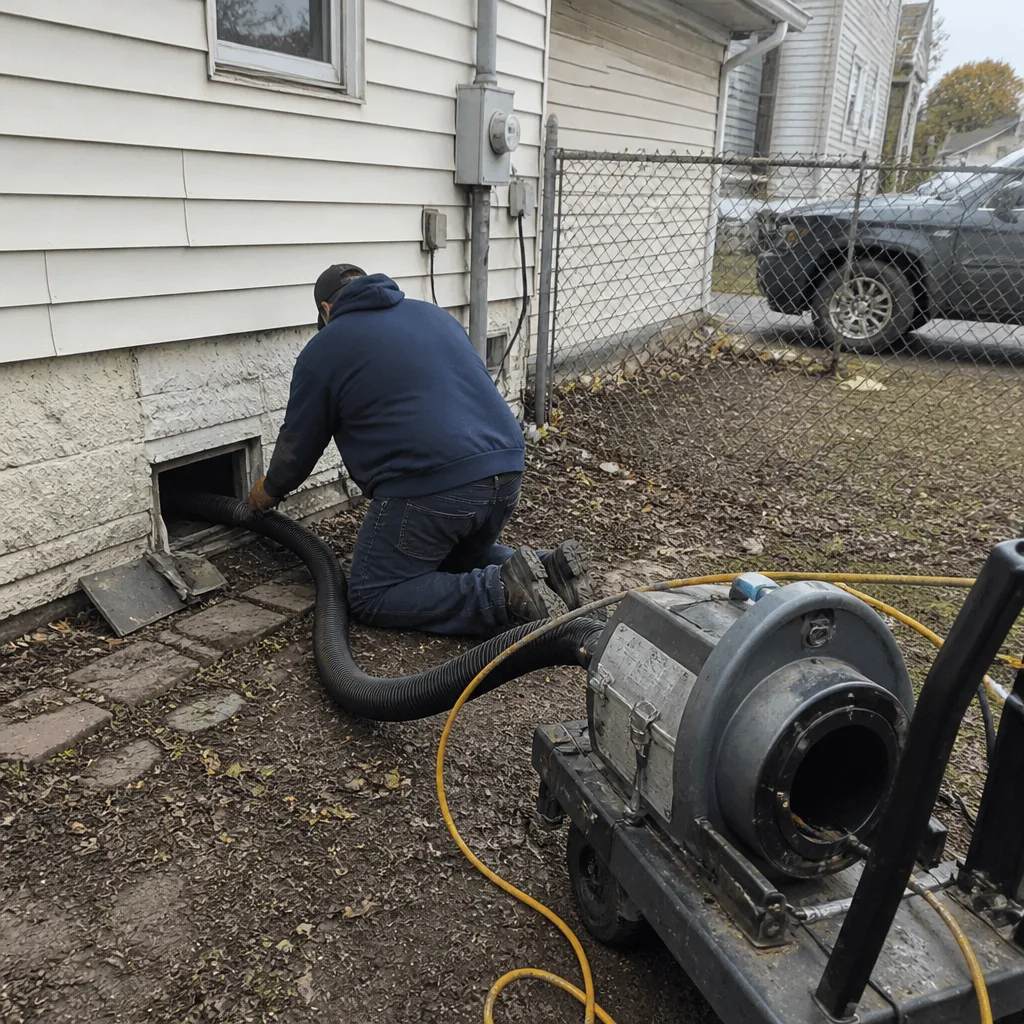 Before
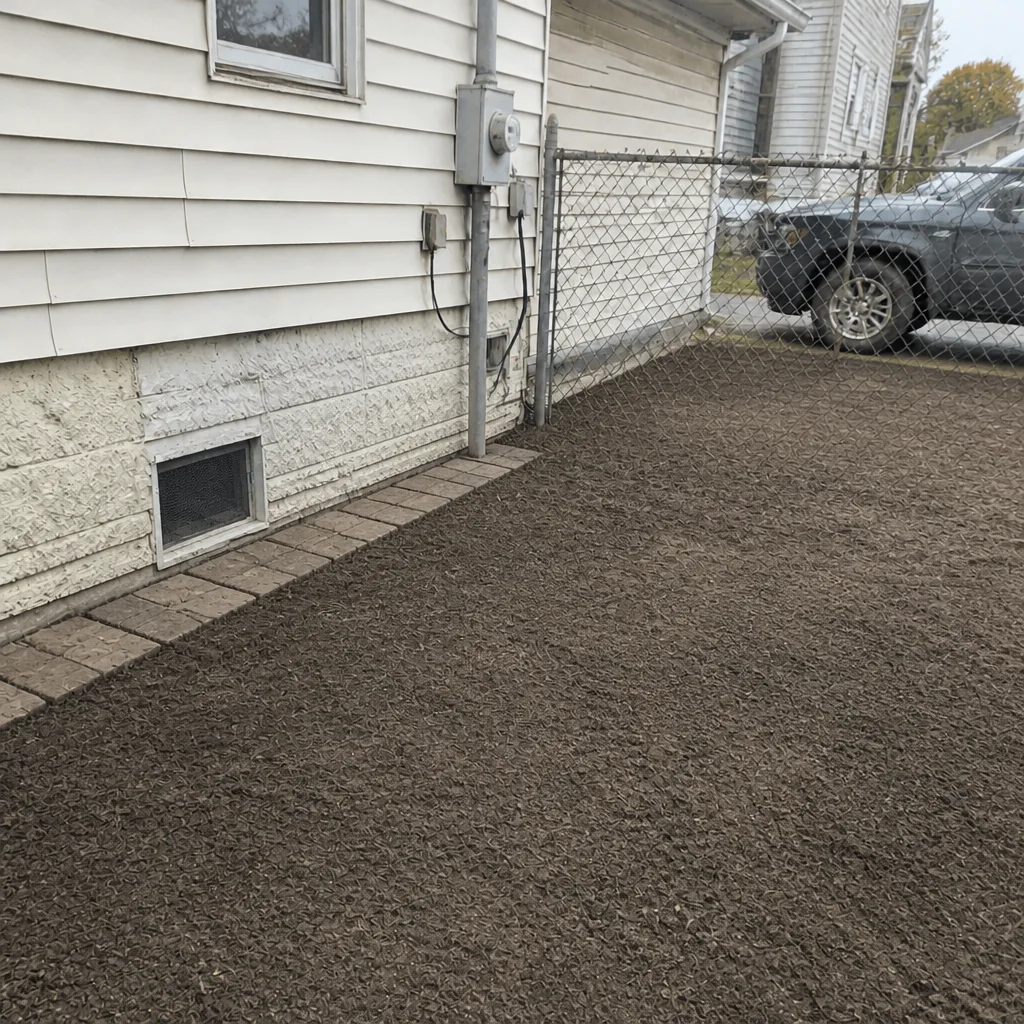 After
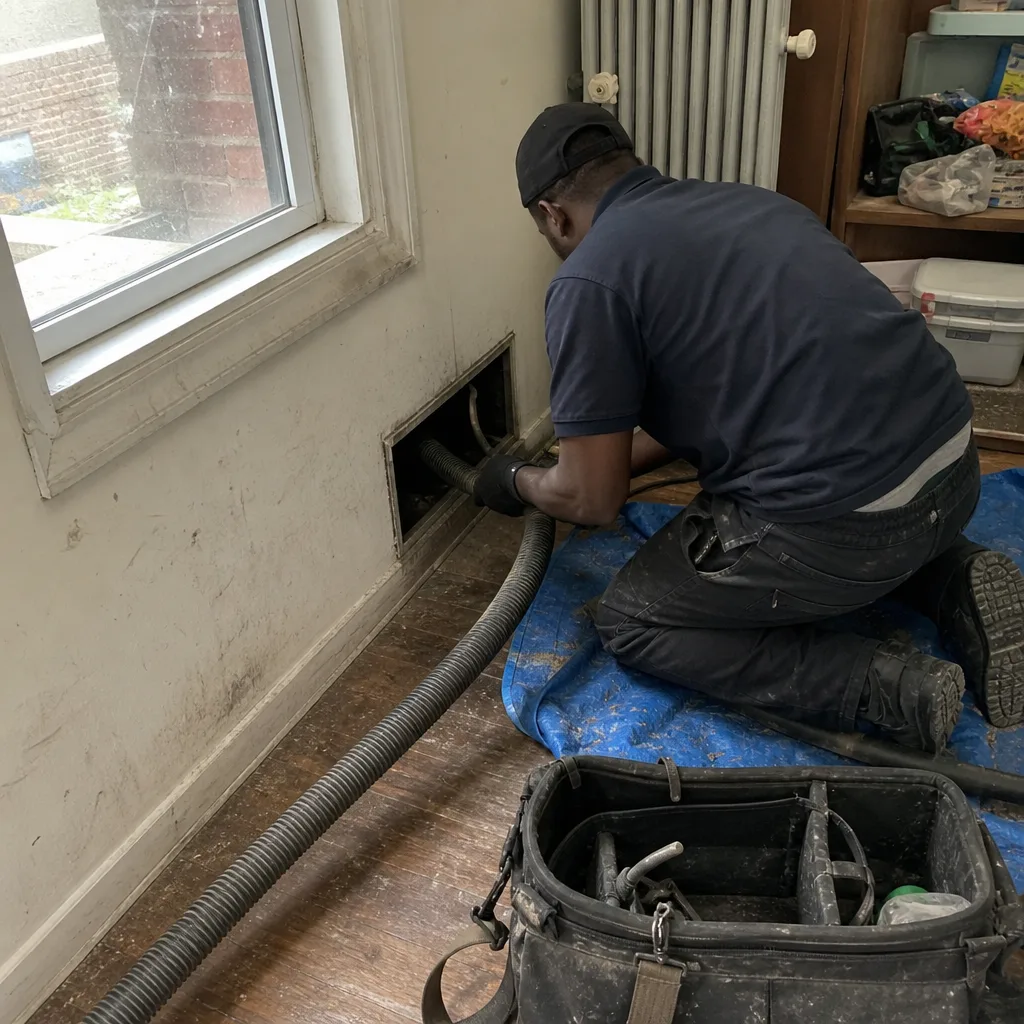 Before
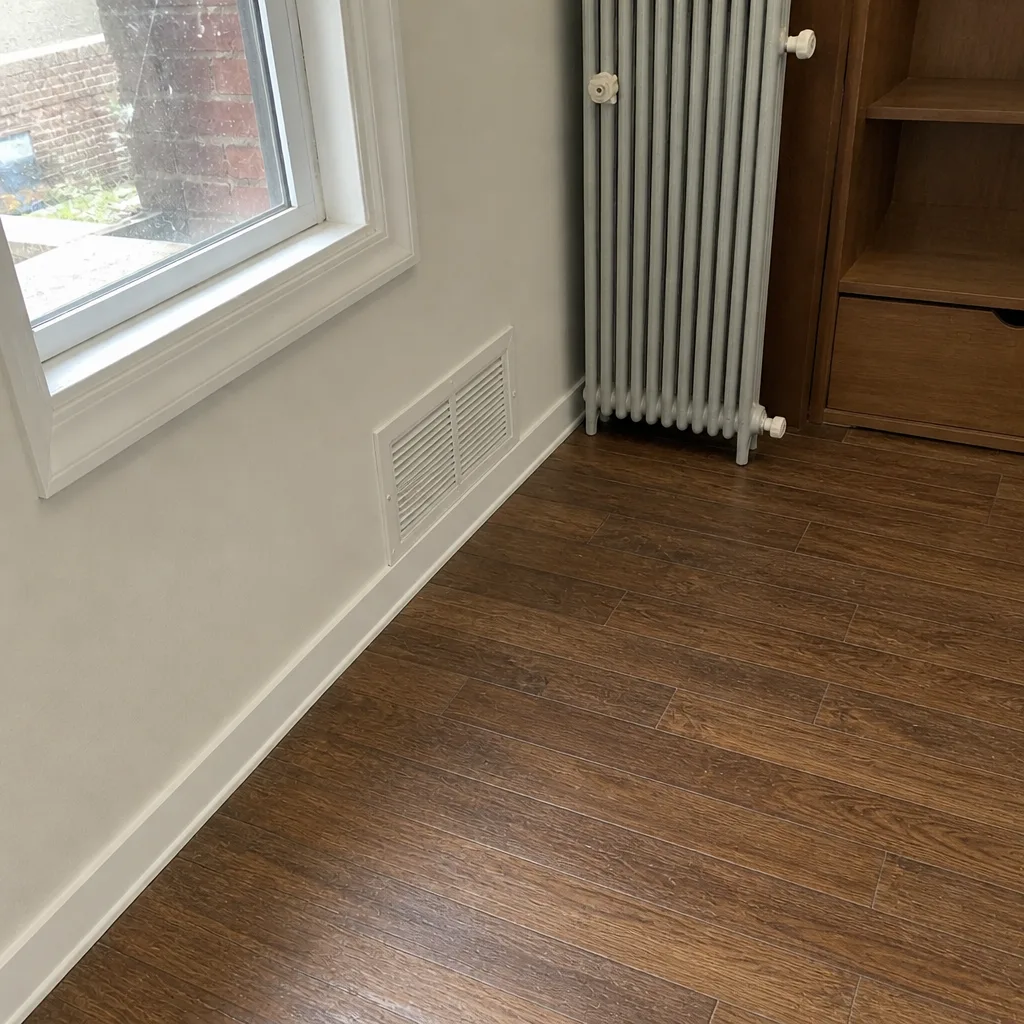 After
 Before
 After
When to Call a Professional
Call a professional when the work in front of you involves anything more than cleaning: a damaged or collapsed duct section, disconnected runs, worn lining, a dryer vent you can’t trace all the way to the exterior, or an in-duct air quality system you want installed. Call when a tenant has raised a ventilation complaint, when a building inspection turned up a duct issue on a report, or when you’re planning a renovation and want the system mapped before walls open. Call when you’ve been quoted a per-vent price or a coupon-rate clean that can’t be explained, because that’s usually the sign that the equipment and the containment aren’t there. Call when condensation, musty odor, or uneven airflow suggests something more than dust.
Air Duct Cleaning Harlem offers free estimates in Harlem. Call (866) 937-8817 for a free estimate. We answer 24/7, with fast dispatch from 7am to 7pm, Sunday through Friday, and every job is priced flat per system after a written estimate.
Frequently Asked Questions
No. Routine air duct cleaning in Harlem does not require a New York City permit, because cleaning and maintenance fall outside the alteration work the Department of Buildings regulates. If the job turns into repair work, including cutting out and replacing duct sections or cutting new openings, that can require a DOB filing, so ask the contractor before work begins. For an exact scope on your system, call (866) 937-8817. Estimates are free.
Work crosses into alteration territory when a duct system is modified, not just cleaned. Replacing a length of duct, cutting new supply or return openings, rerouting a branch, or installing an in-duct air treatment system are the usual triggers. Sealing small leaks and cleaning surfaces do not. The clean answer is to ask whether the scope modifies any part of the mechanical system, and to get that answered in writing.
Section 27-2029 requires building owners to keep ventilation systems in good working condition so that habitable spaces receive adequate air. In practice, that means documenting the condition of common ventilation and ductwork, responding to complaints with a work order trail, and scheduling cleaning based on the system’s condition rather than waiting for a violation. A written maintenance record showing recent cleaning, sealing, and airflow verification is the most useful protection an owner can hold. Call (866) 937-8817 for a free estimate on a condition-based cleaning schedule.
Often yes. Most Harlem co-op and condo alteration agreements cover work that touches common elements or building systems, and duct repair that requires opening ceilings or walls typically does. Start with the alteration agreement, which usually lays out the insurance, licensing, and scheduling requirements the board will expect. Cleaning alone usually doesn’t need board approval; repair does.
Ask for interior before-and-after photos, a written scope of what was cleaned and sealed, and a copy of the certificate of insurance. A contractor using professional Rotobrush mechanical cleaning systems and negative-air containment can produce that record without difficulty. Shops running a vacuum and a promise usually can’t. Photos of your own ducts, taken inside the runs, are the clearest evidence. Questions about what a proper job looks like? Call (866) 937-8817 for a free estimate.
There’s no single interval, but the system’s condition sets the schedule: heavy dust accumulation, water damage, a recent renovation, pet dander, or a building with long and heavily used vent runs all shorten the interval. In our experience, most homes need visual inspection on a regular schedule and a full clean based on what that inspection shows. A dryer vent deserves its own recurring check because of fire risk. Call (866) 937-8817 for a free condition-based recommendation.
The Bottom Line
Air duct cleaning itself almost never needs a permit in New York City. Replacement of duct sections, new openings, and in-duct equipment installation can, because that’s alteration work under NYC DOB rules. Layer on the energy code’s sealing requirements, Local Law 97’s pressure on efficiency, Section 27-2029 obligations for landlords, and the board approvals that come with so much of Harlem’s co-op and condo housing, and the picture gets clear: know what kind of job you’re ordering. Collect the insurance certificate, the licensing documentation, and the filing numbers where they apply. Get the scope in writing, along with before-and-after photos of your own system. The rest is maintenance, done on a schedule that matches the building.
We do all of it, from cleaning to sealing to sanitizing, for homes and buildings in Harlem. Call (866) 937-8817 for a free estimate. We answer 24/7, with fast dispatch from 7am to 7pm, Sunday through Friday. The local pro we connect you with is licensed and insured as their state requires, and every job is priced flat per system, agreed in writing before work starts.
Written by the team at Air Duct Cleaning Harlem.