
Last updated November 22, 2026
 Whole-home duct cleaning
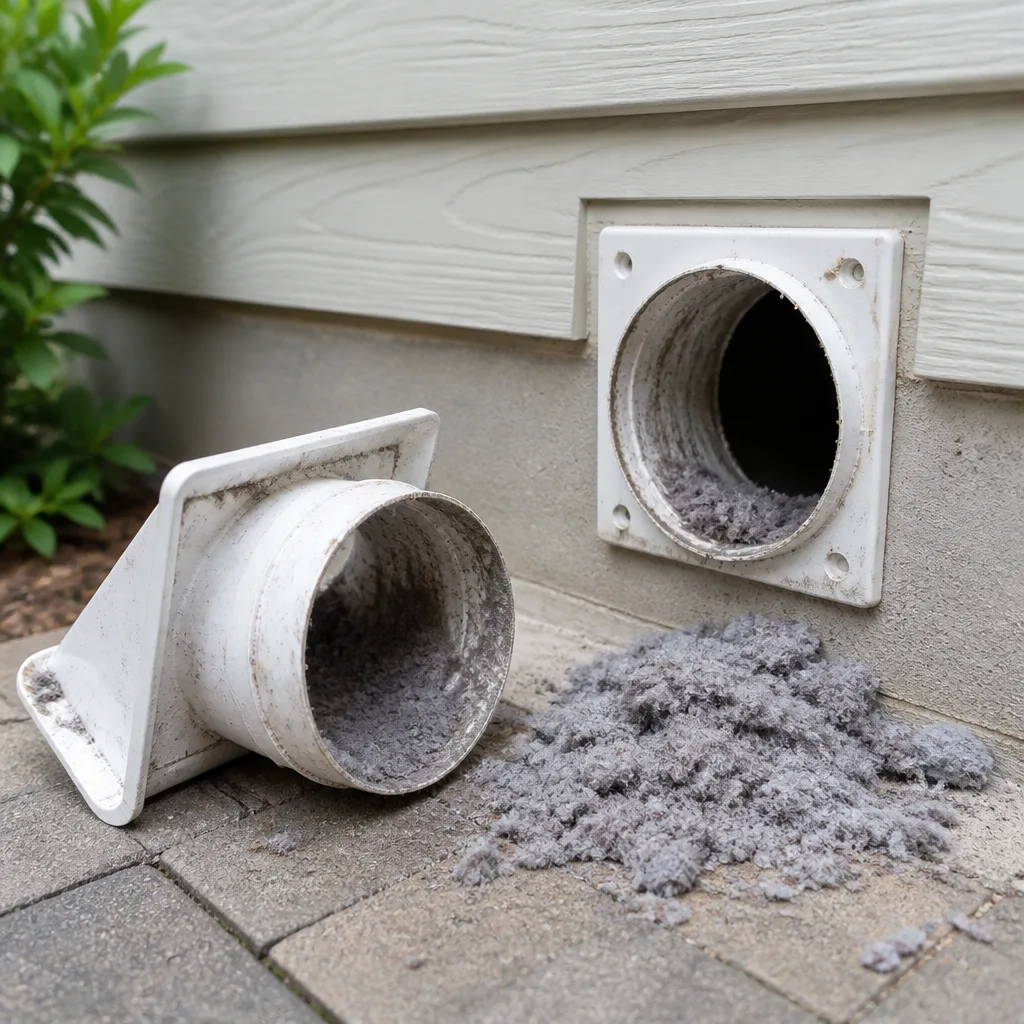 Dryer vent cleaning
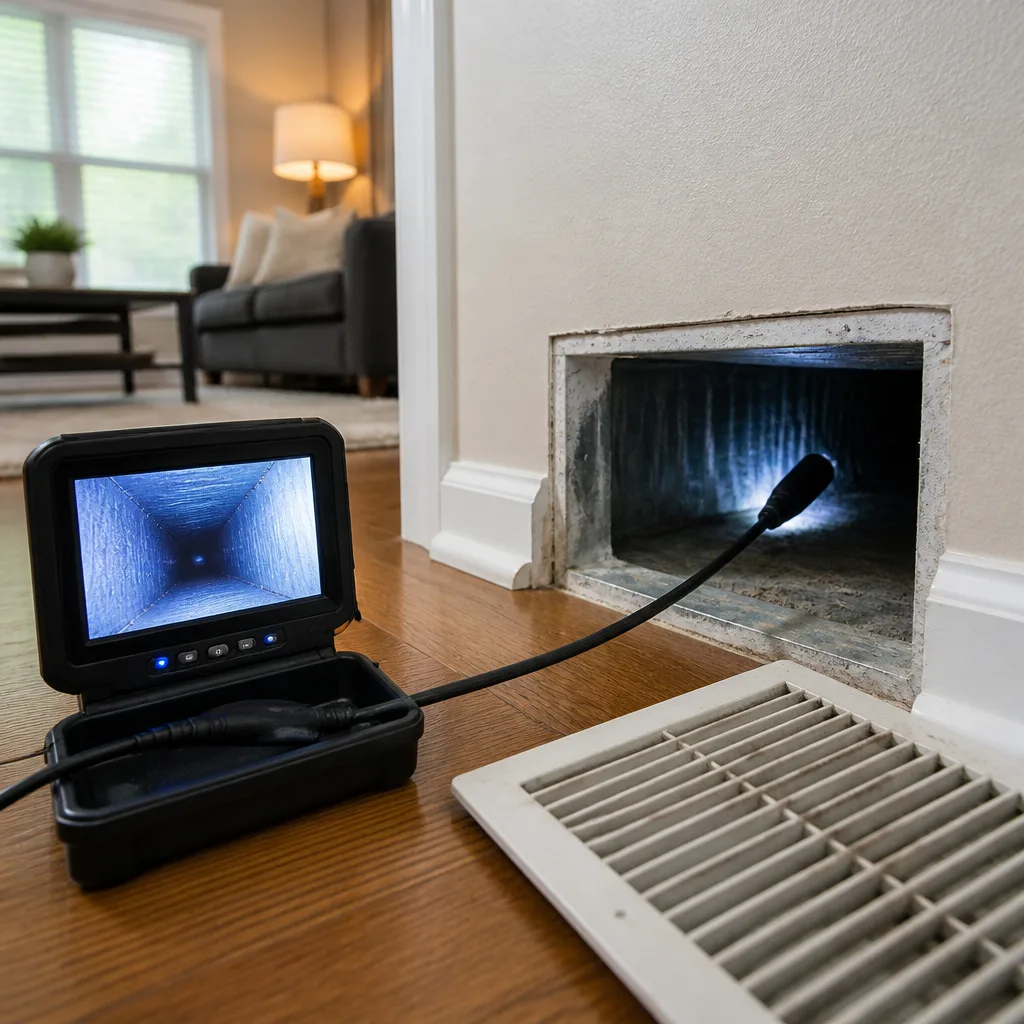 Camera inspection
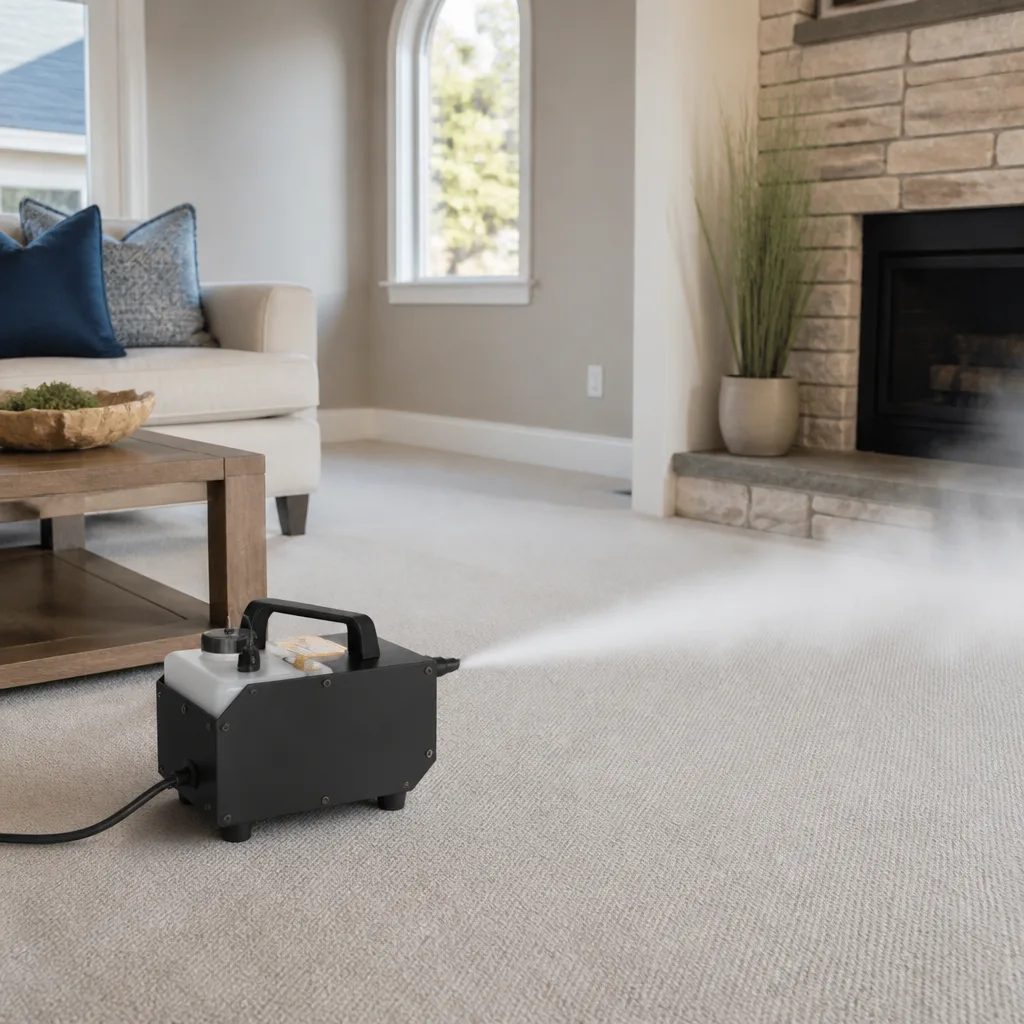 Sanitizing & deodorizing
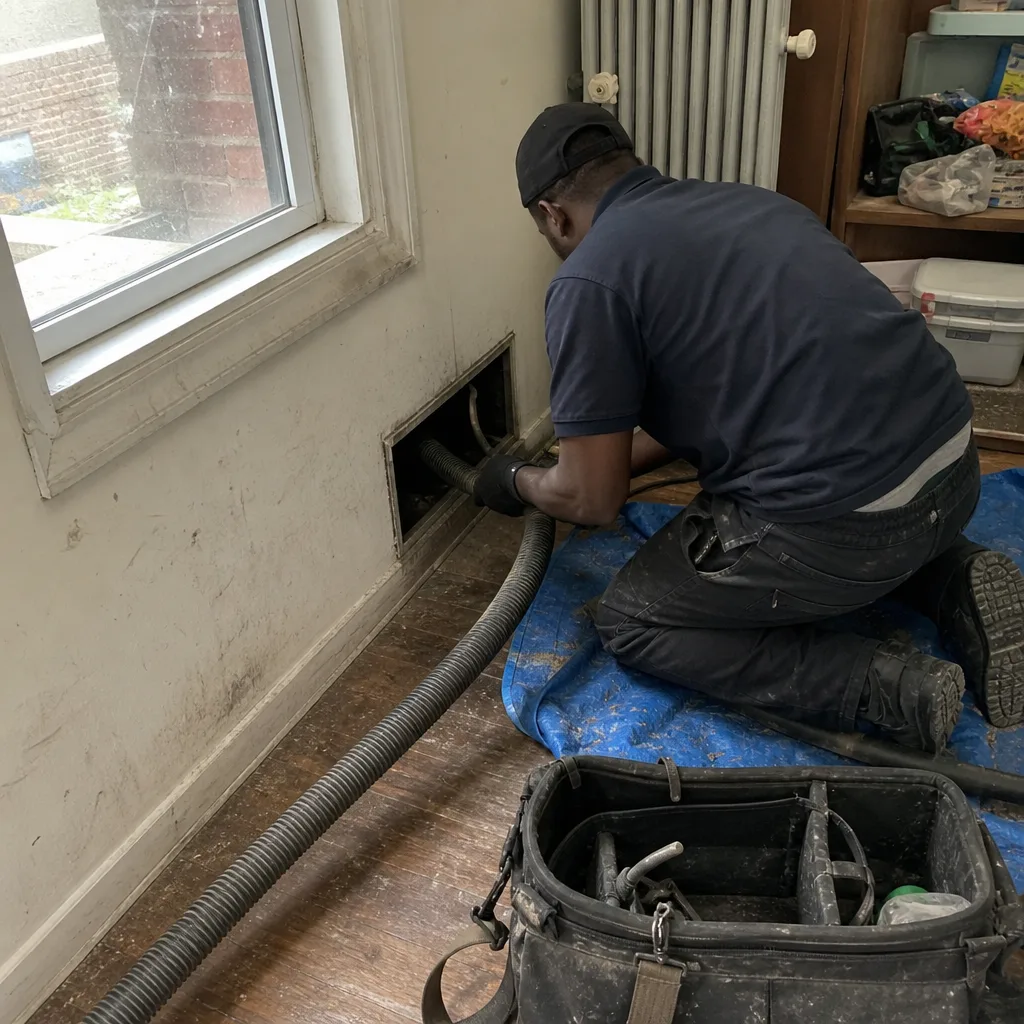
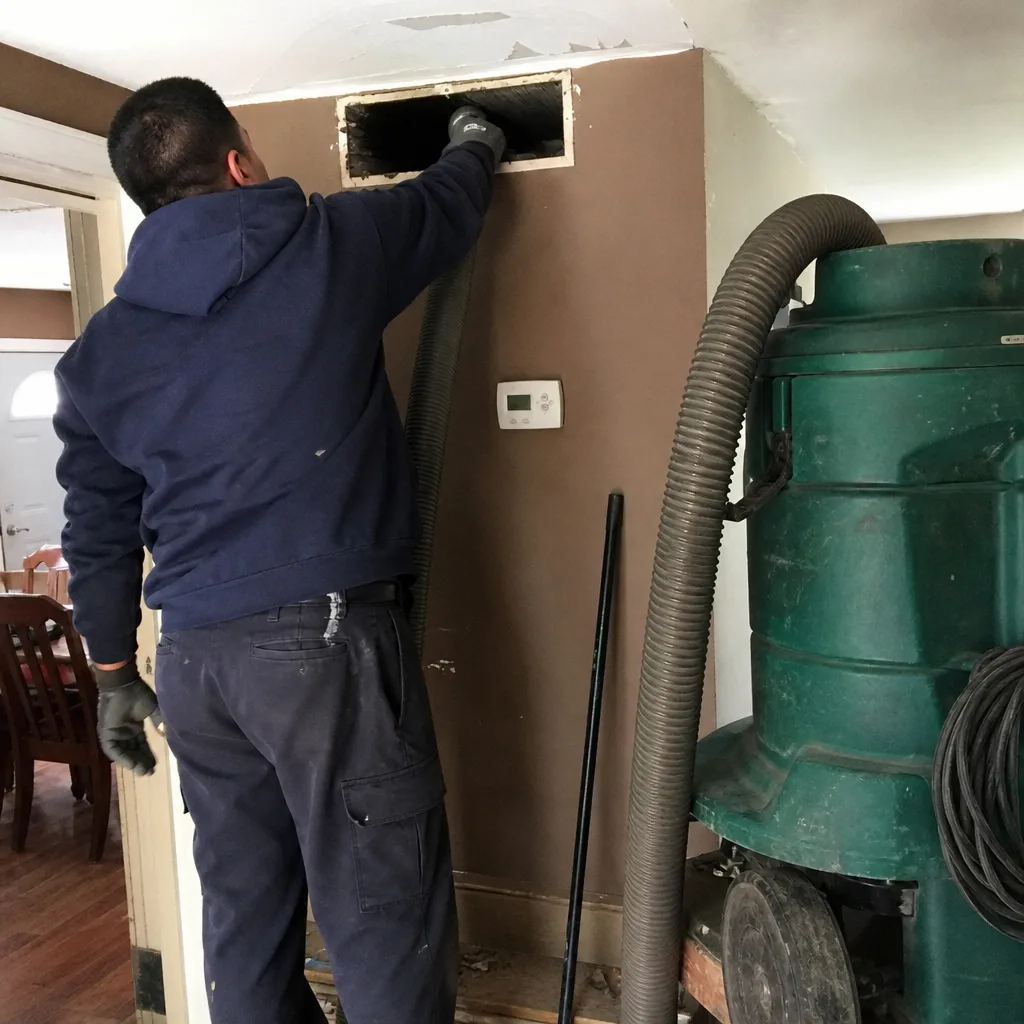
Whole-system duct and dryer vent check with before-and-after photos - you see exactly what came out of your vents
That "$99 whole-house special" is a bait ad - the real number appears once they are in your hallway, or the "clean" is a shop-vac at the register. We photograph the inside of your ducts before and after instead.
Seasonal Air Duct Cleaning Care for Harlem: Year-Round Homeowner’s Guide
Most Harlem homeowners treat duct cleaning as a fall chore, something to think about right before the heat comes on. That instinct is backwards. By the time you smell that first dusty blast from the register in October, whatever has been sitting in your ductwork already had two seasons to settle. Spring in Harlem brings open windows, pollen that spikes fast, and a heating system winding down full of winter moisture. Summer pushes the AC hard while humidity sits high. Each quarter hits your ducts differently, and the right move in April looks nothing like the right move in October. This guide maps what’s actually happening inside the system month by month, so you know when to inspect, when to clean, and when to leave it alone.
Quick Answer
Duct care in Harlem is not a once-a-year event; it’s a rotating priority tied to the season. In spring you inspect for leftover winter moisture and pollen infiltration, in summer you watch for condensation from constant AC use, in fall you clean before the heating system runs at full load for months, and in winter you check airflow because restricted ducts strain the furnace. A single annual cleaning can’t cover all four phases. The timing of the clean matters as much as the cleaning itself.
Styles & brands we work with
- Whole-home duct cleaning
- Dryer vent cleaning
- Camera inspection
- Sanitizing & deodorizing
Table of Contents
- Spring in Harlem: The Post-Winter Inspection You Skip Too Often
- Summer: Humidity, Constant AC, and Condensation Inside the Ductwork
- Fall: Why Pre-Heating-Season Cleaning Wins the Winter
- Winter: Airflow Restrictions Are a Comfort and Safety Issue
- Street-Level Construction and the Off-Schedule Inspection
- Dryer Vents: A Year-Round Fire Risk, Not a Seasonal Chore
- What Professional Equipment Actually Looks Like
- The Harlem Duct Care Calendar: A Quarter-by-Quarter Plan
Spring in Harlem: The Post-Winter Inspection You Skip Too Often
Spring is the season most homeowners write off. The windows open, the heat goes off, and the HVAC system disappears from your attention until it fails. That’s the wrong read. Spring is when a heating season’s worth of moisture, dust, and settled debris is still sitting in the ducts, and when the first cooling run tests whether any of it is going to move.
Winter runs your furnace hard for months. Warm air moving through cool duct runs, condensation on cold surfaces, and the natural moisture your home produces all leave a residue inside the system. When the AC kicks on for that first warm afternoon in Harlem, it moves air over what’s already there. If the ducts are loaded with winter debris, that first cooling run pushes it straight into your living space.
Pollen is the other spring variable. Return-air grilles pull in outdoor air during shoulder season, and a single windy day can carry fine pollen into the return plenum before the system even runs. Once it’s inside, it doesn’t leave on its own.
What to check in spring:
- Look inside return-air grilles for visible dust matting or pollen film. A flashlight and a phone camera work fine.
- Run the AC once on a mild day and note any musty or dusty smell at the register.
- Check the condensate pan and drain line near the air handler for standing water.
- Look for dust streaks around supply registers, which can signal a supply-side leak.
- Note any rooms that feel stuffier or warmer than the rest of the home on the first cooling days.
Spring is also when duct sealing pays off most, because the system is about to switch from heating to cooling and any gap in the trunk or branch lines will leak in both directions. If a spring inspection turns up visible debris, professional air duct cleaning in spring removes it before the cooling season spreads it.
Summer: Humidity, Constant AC, and Condensation Inside the Ductwork
Continuous AC operation in a humid Harlem summer creates a specific problem most homeowners never think about: condensation inside the ductwork. The cold air leaving the air handler is well below the dew point on a typical July afternoon. If the duct insulation is thin, torn, or wet, the cold supply line sweats. That sweat is where mold, mildew, and musty odor begin.
The early indicators show up at the register, not inside the ducts. Look for dampness at the boot where the supply register meets the floor or ceiling, condensation on the grille itself, or a musty smell when you walk into a room after the system has been off for a while and then starts. Those signs point to a moisture problem inside the duct run, not just surface dust.
Summer is also when the return side pulls in the most debris. Windows stay open longer, kitchens generate more humidity, and a busy building on your block may be running its own systems. That means the return plenum loads faster than in the cooler months.
What to watch for in summer:
- Water staining or soft spots on ceiling tiles or drywall near supply ducts.
- Visible condensation on register grilles during the hottest, most humid days.
- Musty odor that appears within a minute of the AC starting.
- Rooms that feel clammy even when the thermostat is set low.
- Higher indoor humidity than outdoor readings would suggest, which often points to duct leakage on the return side.
Where summer turns into a repair is when condensation grows into microbial growth on the interior of the duct. That’s the point where professional sanitizing and containment work matters. Deploying negative-air equipment during the job keeps the material being removed from redistributing through the rest of the home, which is the whole reason the equipment is there.
Fall: Why Pre-Heating-Season Cleaning Wins the Winter
If there’s a single best timing for a full duct clean in Harlem, it’s before the heating system takes on months of full-load operation. Fall cleaning clears out the summer’s moisture-driven debris, the pollen that settled in spring, and the dust that accumulated during window-open months, all before the furnace pushes heated air through the system for six hours a day.
There’s a mechanical reason this timing matters, not just an aesthetic one. When you clean before heating season, you clear the entire duct run and then recondition it. Any residue that lands after cleaning is minimal because the system is about to run at its highest air volume but lowest contaminant load. Clean in October, and by March the ducts are still reasonably clean. Clean in June, and by the time fall arrives you’ve already moved a full cooling season’s worth of new material through the cleaned system.
Fall is also when sealing should happen. Warm air is lighter and rises through every gap in the duct trunk. A sealed system in fall moves that warm air to the rooms that need it instead of losing it into unconditioned spaces. In a Harlem apartment or brownstone, where the ducts often run through old wall cavities and shared chases, those losses can be substantial.
The fall checklist:
- Book a full duct and HVAC cleaning before the heating system starts running daily.
- Inspect and repair any open seams, disconnected joints, or crushed flex runs.
- Apply a post-clean sanitizing treatment on interior surfaces if any moisture or microbial growth was found.
- Change or clean filters and note the filter’s MERV rating for next season.
- Test airflow at every supply register and note weak spots for the winter check.
Professional HVAC cleaning in the fall covers the air handler and coil as well as the ducts, which matters because a dirty coil in fall reduces the energy efficiency of the whole heating cycle.
Winter: Airflow Restrictions Are a Comfort and Safety Issue
When the heating system runs at full load all winter, restricted airflow becomes more than a comfort problem. It becomes a strain on the furnace and a combustion safety concern if the system has any fuel-burning component. A blocked or crushed return duct in winter reduces total system airflow. The furnace runs longer, heats less evenly, and can overheat. In a forced-air gas system, that imbalance can affect how the burner drafts and vents.
The first signs of restricted airflow usually appear as rooms that never quite warm up no matter what you set the thermostat to. Upstairs rooms cool faster. Rooms at the end of a long duct run take forever to reach temperature. Some registers feel weaker than others when you hold your hand over them.
Winter is the wrong season for a full cleaning because the system is running constantly and pulling in whatever’s in the room, but it’s the right season for a mid-winter inspection and repair. A crushed branch, a disconnected joint behind a wall, or a fire damper stuck closed can all be found and corrected without disturbing the whole duct system.
What to check mid-winter:
- Hold your hand over each supply register for a few seconds and compare strength.
- Listen for whistling, whooshing, or rattling at any register, which often indicates a restriction nearby.
- Check that every room’s return grille is unobstructed by furniture, rugs, or a curtain pushed against it.
- Look for dust streaks on the register face or the surrounding wall, which can mean a seal has failed.
- Watch for the furnace cycling more frequently than usual or shutting off early.
If you notice any of those signs in winter, call before spring. A restricted return in a gas-fired system is a reason to bring a technician out and confirm the ductwork and combustion venting are both working correctly.
Street-Level Construction and the Off-Schedule Inspection
Harlem is not a quiet place to run a duct system. Street-level construction, facade work, scaffolding on a neighboring building, and utility work all change what’s floating in the air around your home on any given week. That’s the variable most seasonal guides miss entirely, and it means the calendar isn’t the only trigger for a duct inspection.
When construction kicks up near your building, the pressure dynamics of your home change. Air infiltration through gaps in the building envelope pulls in whatever’s outside. If a construction crew is grinding masonry, sanding, or cutting into a facade within a block of your return-air intake, the return side of your system can pull in that dust long before it settles outdoors.
Off-schedule inspection triggers in Harlem:
- Visible dust or grit inside a return grille after a nearby construction project begins.
- A noticeable increase in dust settling on surfaces inside the home without any change in cleaning habits.
- Any window or door left open during exterior work on your building.
- A building facade or roof project on your block, especially one involving dry cutting or mortar work.
- Renovation work inside your own home, even a small one, because drywall dust travels through the entire return system.
The right response is not a panic clean every time scaffolding goes up outside. It’s a targeted inspection of the returns and the air handler, followed by a full clean only if the debris load warrants it.
Dryer Vents: A Year-Round Fire Risk, Not a Seasonal Chore
Dryer vent cleaning belongs in a guide about duct care because it’s the one duct run that’s a fire hazard when it fails, and because it needs its own inspection rhythm that has nothing to do with the four seasons. A dryer vent that clogs with lint is the single most common cause of residential dryer fires, and unlike ductwork, the risk doesn’t wait for a particular season.
What matters with dryer vents is lint accumulation rate. A household that runs the dryer several times a week accumulates lint faster than one that runs it twice. Long vent runs, multiple elbows, and foil or vinyl flex duct that has crushed create more places for lint to collect. In older Harlem buildings, where the dryer is sometimes located far from the exterior wall, the run can be longer than the lint trap suggests.
The warning signs a dryer vent needs professional attention:
- Clothes taking noticeably longer to dry than before, or a second run needed to finish a load.
- The dryer itself feeling hot to the touch on the top or sides during operation.
- A burning or musty smell when the dryer runs.
- Lint visible around the vent connection behind the dryer or outside at the exhaust hood.
- A vent flap outside that doesn’t move, or that flutters weakly when the dryer runs.
A proper dryer vent cleaning clears the entire run from the back of the dryer to the exterior hood, not just the near section. It also confirms the exhaust actually exits the building, which isn’t always the case in older buildings where the vent path has been altered over time.
What Professional Equipment Actually Looks Like
A shop vac and a long hose is not duct cleaning. Professional duct cleaning depends on equipment built for the job. The right tools agitate debris loose from the duct walls, then contain and remove it without sending it into the rooms you live in.
The equipment that matters in a proper duct clean:
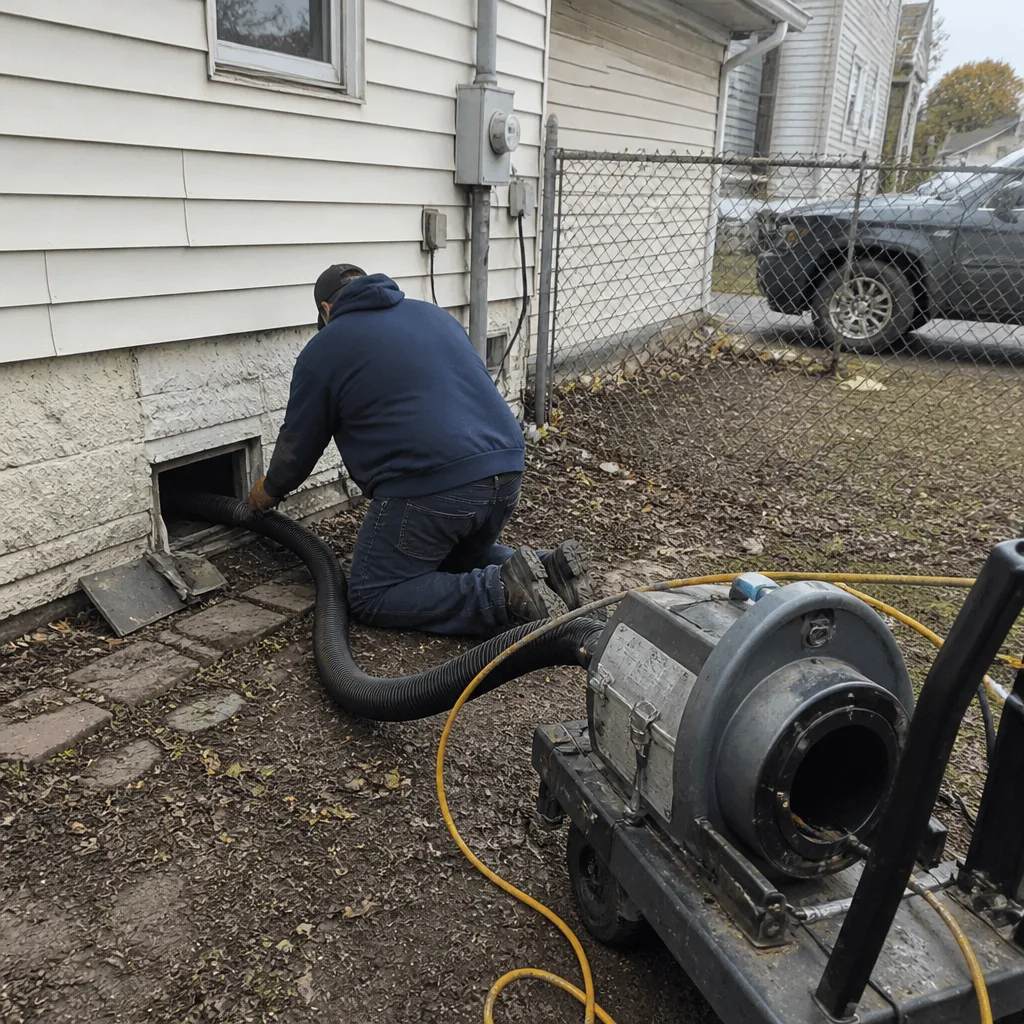
- Rotobrush and Nikro mechanical systems: purpose-built duct cleaning equipment with rotating brush heads that agitate the duct wall, then pull the loosened debris into a HEPA-filtered collection chamber. These are the systems HVAC specialists recognize, not generic vacuums.
- Abatement Technologies air scrubbers and negative-air equipment: deployed during the job to create negative pressure at the work zone. This means air flows into the containment area rather than out into the rest of the home. It’s the difference between cleaning the ducts and shooting dust through your living room.
- Post-clean sanitizing with a Guardsman-grade treatment: applied to interior duct surfaces to inhibit microbial growth after the clean, not before. Sanitizing a dirty duct simply seals moisture and debris under the treatment, which is why the order matters.
- Aprilaire and Honeywell whole-home air quality components: filter media, humidifiers, and ventilation systems that work with your existing ductwork to keep the system running cleaner between professional cleans.
Our technicians have up to 10 years of experience with this equipment, and we’ve seen the difference the right tools make on a duct that’s been sitting untouched for years. A generalist contractor with a rental vacuum cannot agitate the duct wall the way a Rotobrush head does, and can’t contain the debris stream without negative-air equipment. That’s the practical difference.
Air Duct Cleaning Harlem covers the full indoor-air lifecycle: cleaning, duct repair and sealing, sanitizing, and air quality upgrades, all under one service relationship. That matters in a seasonal care plan because half the work of keeping a system healthy is happening between full cleans, not during one.
The Harlem Duct Care Calendar: A Quarter-by-Quarter Plan
If you’re going to build a year of duct care, this is the structure. Each entry tells you what’s happening inside your system that quarter and what action makes sense.
Spring (April through June)
- Post-winter inspection of returns and air handler
- First AC run check for musty odor and register dampness
- Full duct clean if winter debris was heavy or pollen infiltration was significant
- Duct sealing if visible gaps or leak streaks show up
Summer (July through September)
- Watch for condensation, dampness at registers, or musty smell
- Sanitizing if any moisture or microbial growth is found
- Filter change mid-summer on high-run households
Fall (October through November)
- Full duct and HVAC clean before heating season load
- Duct repair and sealing to reduce heat loss
- Post-clean sanitizing if the interior showed contamination
- Airflow test at every register
Winter (December through March)
- Mid-winter airflow check for restricted supply or return runs
- Repair any crushed or disconnected runs found during the check
- Watch combustion venting performance on any fuel-fired system
Off-calendar triggers
- Street construction or facade work near your building
- Interior renovation in your own home
- Dryer vent on its own inspection schedule regardless of season
Printing this and putting it on the fridge beats trying to remember when you last had the ducts looked at. It’s the timing, not the cleaning, that most people get wrong.
Common Mistakes to Avoid
- Treating duct cleaning as a once-a-year fall event. The season you choose changes what you remove and what you leave. Fall cleaning clears summer moisture, but spring cleaning removes winter debris before it moves into cooling season.
- Using a shop vac and a hose instead of professional equipment. A shop vac doesn’t agitate the duct wall or contain what it pulls out. It just moves the dust. Rotobrush and Nikro systems exist because generic vacuums don’t reach the surfaces that matter.
- Skipping spring because the heating system is off. Spring is when moisture from the heating season is sitting in the duct runs waiting to be pushed into the home on the first AC day. Ignoring spring means the first cooling run distributes the winter’s residue.
- Cleaning in summer without addressing condensation. A clean duct that keeps sweating will be damp again within weeks. Fix the moisture source before cleaning, not after.
- Assuming a window-open building during construction is safe. A return system running in a building with facade work outside pulls that dust in through any open window or door. Off-schedule inspections exist for exactly this reason.
- Treating dryer vent cleaning as part of the duct clean and forgetting it the rest of the year. Dryer vent lint builds at its own rate, unrelated to the season. It needs its own inspection schedule and it’s a fire-safety concern, not a maintenance nicety.
- Sanitizing before cleaning instead of after. Sanitizing a duct with debris in it seals the debris under the treatment and keeps the problem alive. The clean comes first, the Guardsman-grade treatment goes on afterward.
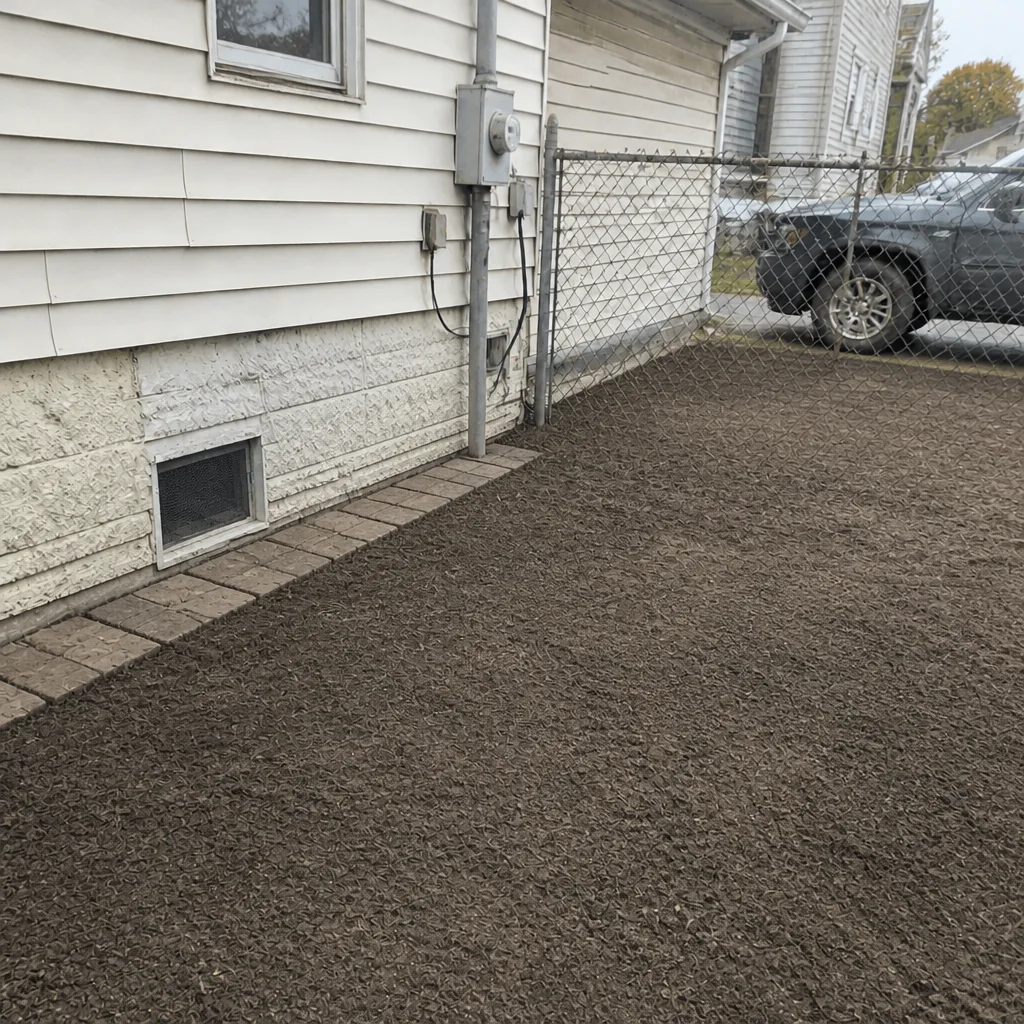
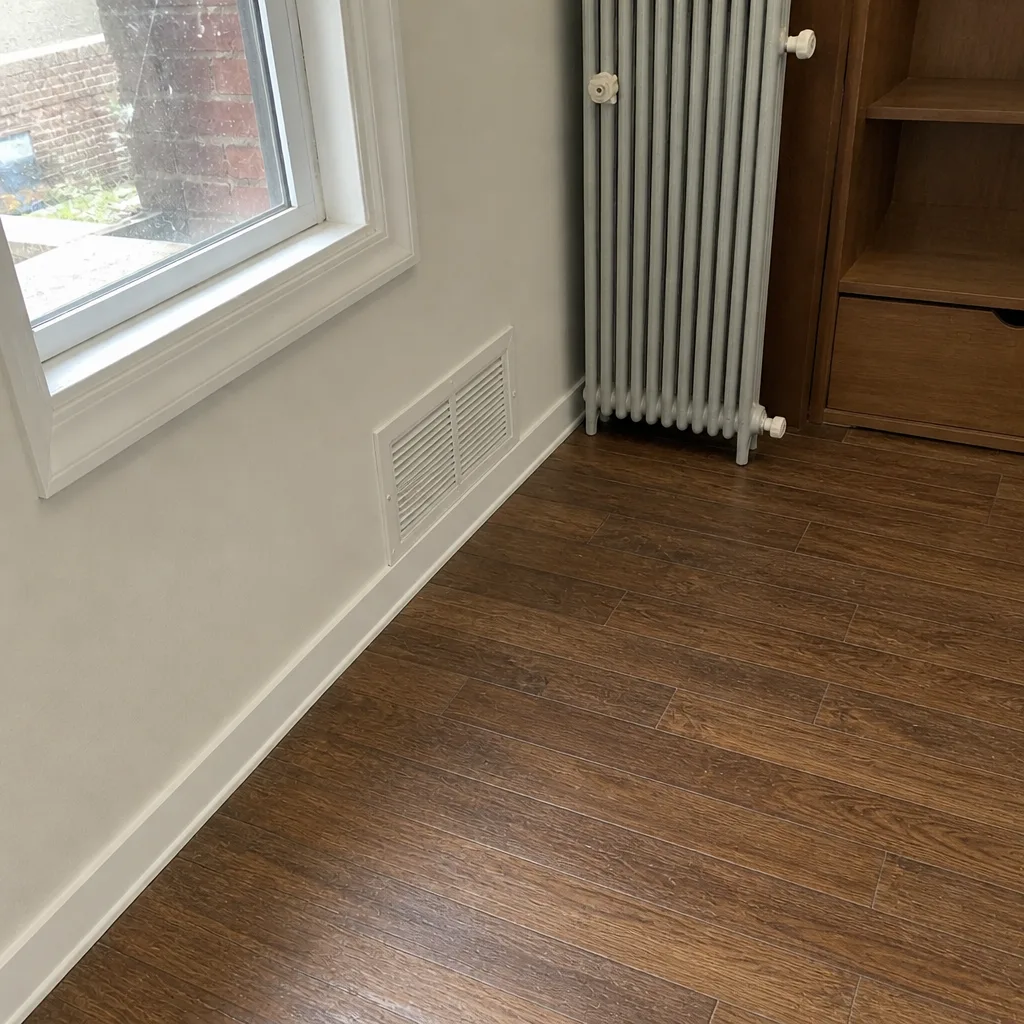
See the difference
 Before
 After
 Before
 After
 Before
 After
When to Call a Professional
Some duct work is a genuine DIY project. Replacing a filter, vacuuming a return grille face, keeping furniture away from the registers – all fine. The moments below are when a professional inspection belongs in the plan. Call a professional when you notice musty odor at a register that doesn’t clear after a filter change. Call when you see visible debris matted inside a return grille. Call when any supply register has significantly weaker airflow than the others, especially in winter. Call when condensation, dampness, or water staining shows up around a register or ceiling tile. Call after street construction or a building facade project has started near your home. And call for the dryer vent on a regular schedule, regardless of season, especially if you notice slower drying or the dryer feeling hot. A proper inspection confirms whether the problem is the ducts, the air handler, or something else, before any cleaning work begins.
Air Duct Cleaning Harlem offers free estimates in Harlem, and the price is set per job by a written estimate before any work starts. That includes the full indoor-air picture: cleaning, repair, sealing, sanitizing, and air quality elements with Honeywell or Aprilaire components. Call (866) 937-8817.
Frequently Asked Questions
Most Harlem homes benefit from a full duct clean once a year, timed in early fall before the heating season starts, plus a lighter spring inspection and a mid-winter airflow check. Homes near ongoing construction, older brownstones with long duct runs, and households with allergies or pets often need additional inspections. The timing matters as much as the frequency. Fall cleaning removes what the summer and spring left behind before the heating system pushes air through it for months, which gives the longest carrying period between cleans.
Yes. Spring is the season most homeowners skip, and it’s the wrong one to ignore. The heating season leaves moisture and dust in the ductwork, and the first AC run moves that debris directly into living spaces. Combined with a surge in pollen drawn in through returns when windows are open, spring is actually the season that sets the stage for how clean the system runs all summer. A spring inspection is quick and tells you whether a full clean is needed before the cooling season starts.
Continuous AC operation in a humid summer produces cold air at the air handler that sits well below the dew point of outdoor air. That causes condensation on any uninsulated or under-insulated duct run, particularly the supply side. Visible condensation at the register grille, soft spots near ceiling ducts, and musty odor within a minute of the system starting are the signs that condensation is a problem. Fixing it usually means addressing the duct wrap or seal first, then cleaning and sanitizing the affected section. Call (866) 937-8817 for an exact quote – estimates are free.
Yes. Construction on your block changes what’s in the air outside your building, and any return grille that’s pulling outdoor air through an open window or door pulls construction dust into the system. Renovation work inside your home has the same effect through drywall dust. The right response isn’t a full clean every time scaffolding goes up on the block. It’s a focused inspection of the returns and air handler after the project starts, and a full clean only if the debris load says so.
The signs are concrete: before-and-after photos of the interiors of your ducts, confirmation that the system agitates every accessible run with a mechanical head, and negative-air equipment running during the job. Rotobrush and Nikro systems leave visible evidence – dust matting cleared from the sides of the duct walls, register boots visibly clean, and no debris redistributed through the home during the clean. If a contractor can’t show you what came out of the ducts, ask why. Call (866) 937-8817 for an exact quote – estimates are free.
Cheaper quotes usually leave out the equipment the job actually requires. A shop vac and a hose is not a professional clean because it doesn’t agitate the duct wall or contain what comes loose. Proper work uses Rotobrush or Nikro mechanical equipment and Abatement Technologies air scrubbers for active containment during the service, plus post-clean sanitizing with a Guardsman-grade treatment when moisture or microbial growth is present. The price reflects which of those steps are actually happening. Air Duct Cleaning Harlem charges one flat price per system agreed before work starts, and it’s set by a written estimate. Call (866) 937-8817 – estimates are free.
The Bottom Line
Duct care in Harlem isn’t a fall task and it isn’t a summer one. Each season puts something specific into the ductwork and needs a specific response. Spring clears winter moisture and pollen. Summer needs condensation watched. Fall is the heavy-clean window before heating season. Winter is the repair window for restricted airflow. Off-schedule inspections cover construction activity, and dryer vents run on their own safety schedule all year. The right equipment – Rotobrush, Nikro, and Abatement Technologies with negative-air containment – is what turns any clean into a real system reset. From cleaning to sealing to sanitizing, the full lifecycle is one service. That’s how you get healthier air, not just cleaner ducts.
Call Air Duct Cleaning Harlem at (866) 937-8817 for a free estimate. We answer 24/7. Fast dispatch from 7am to 7pm, Sunday through Friday. Closed Saturday.
Written by the team at Air Duct Cleaning Harlem.