
Last updated November 22, 2026
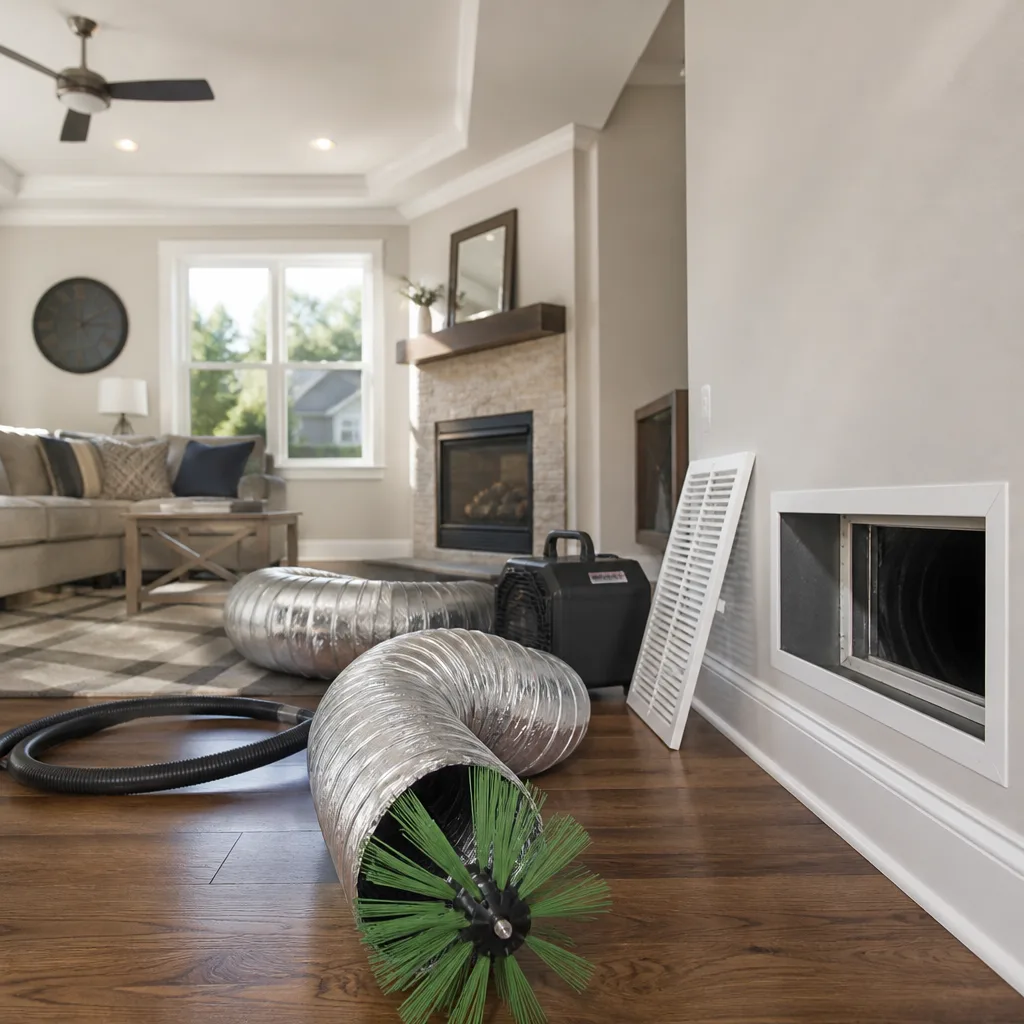 Whole-home duct cleaning
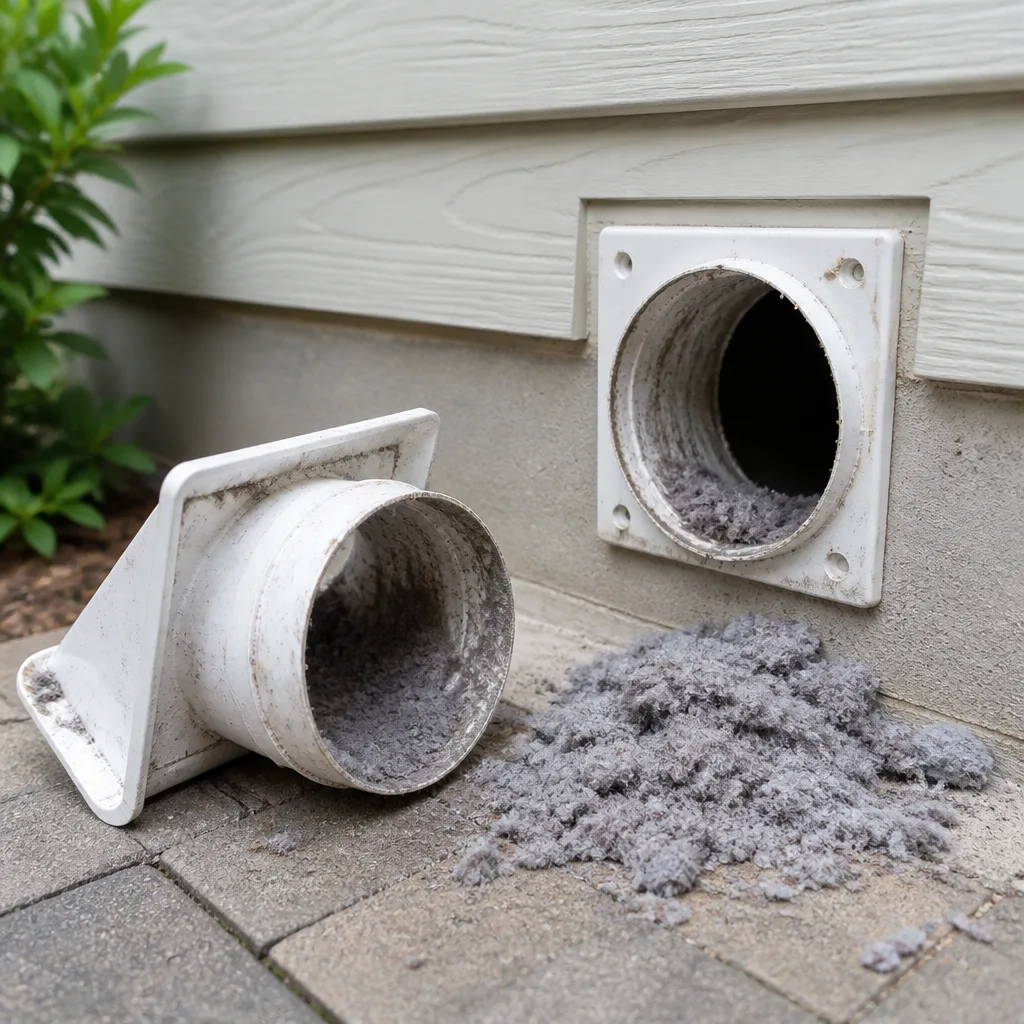 Dryer vent cleaning
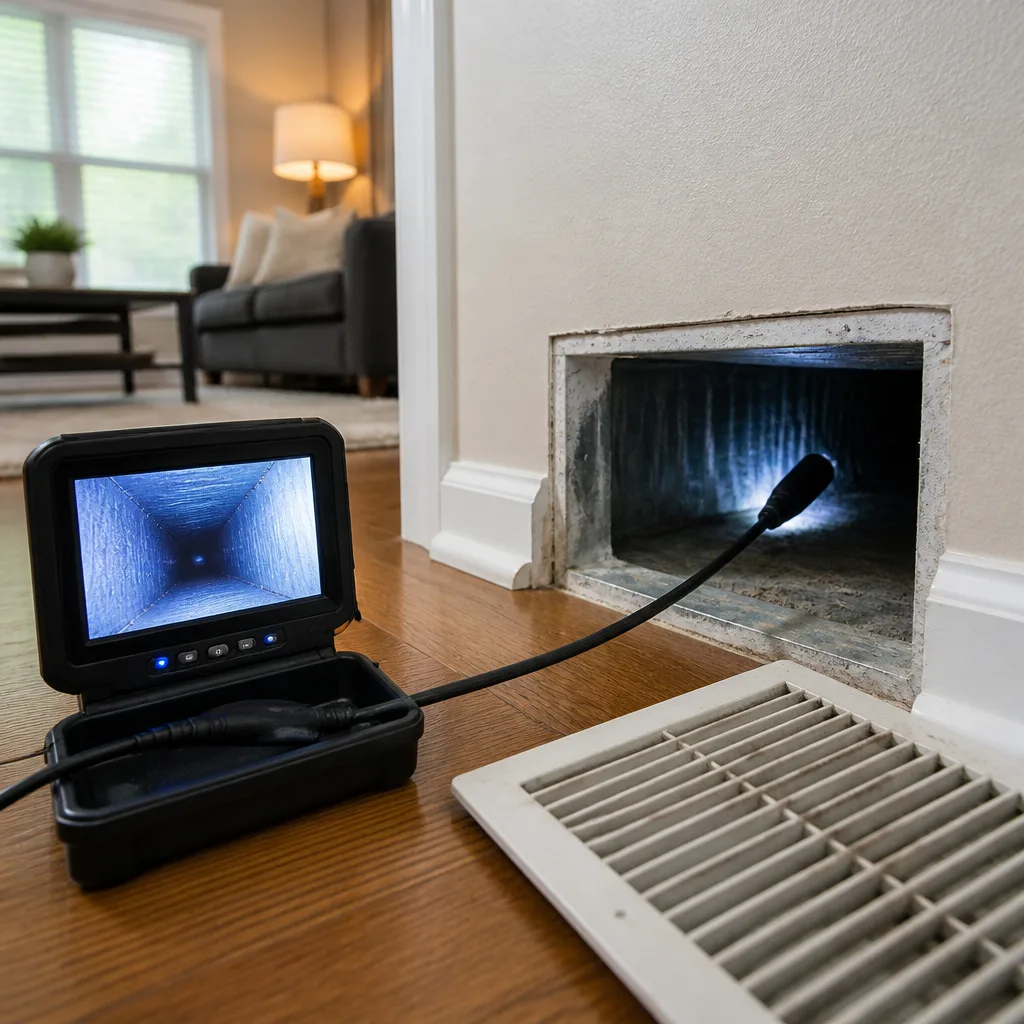 Camera inspection
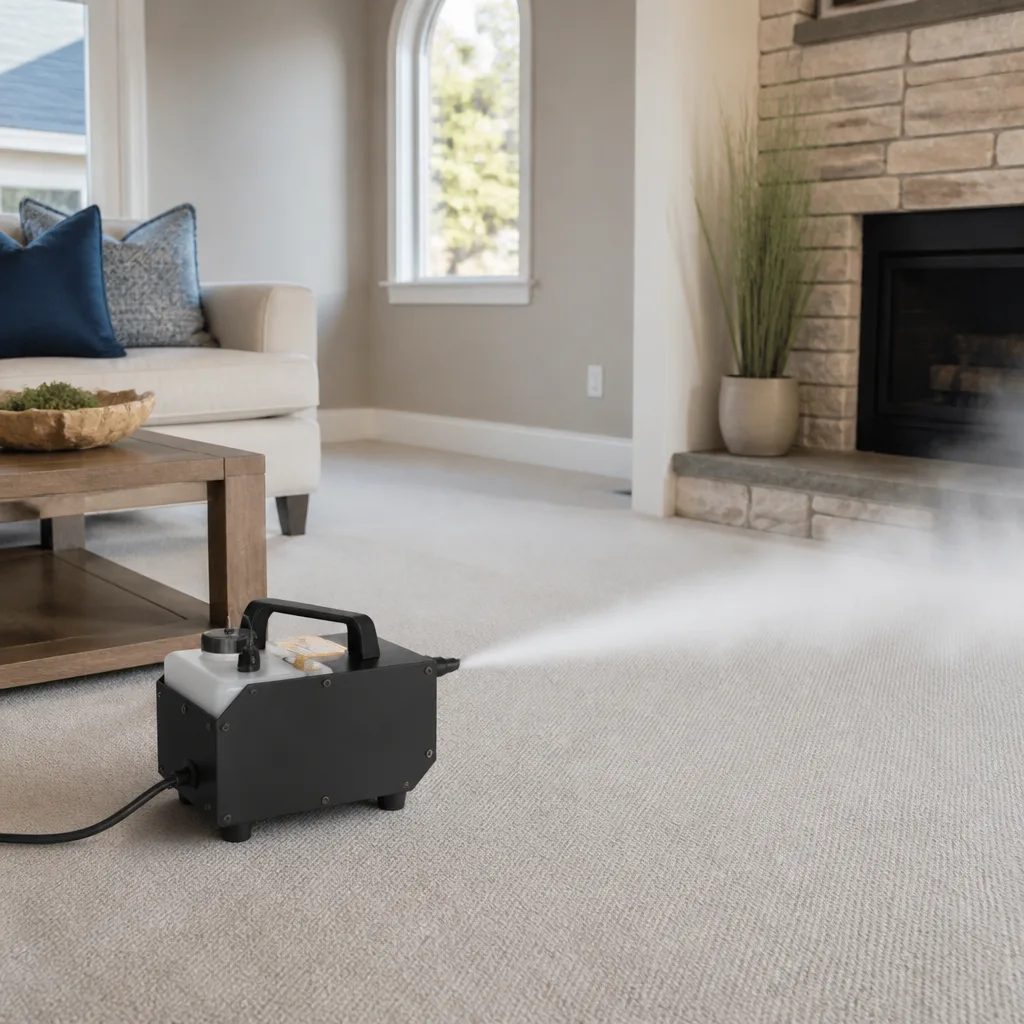 Sanitizing & deodorizing
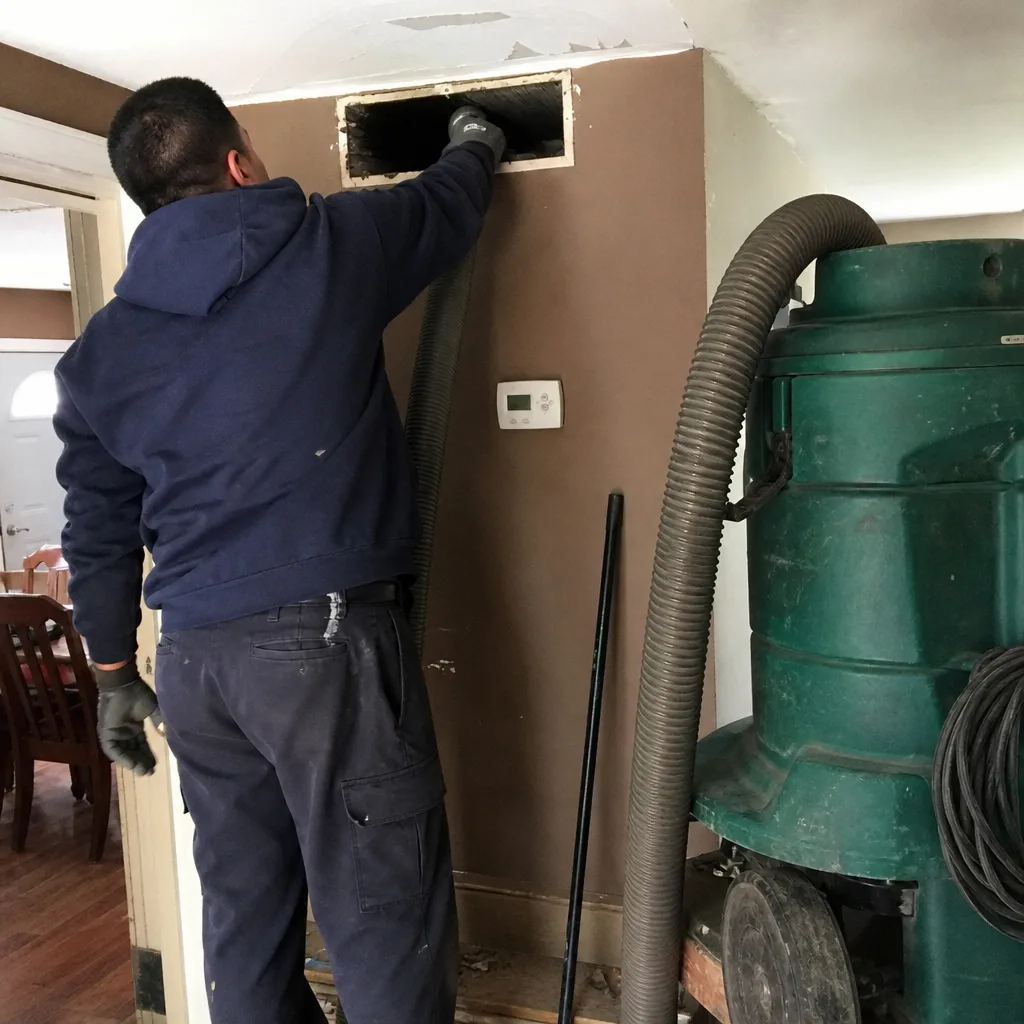
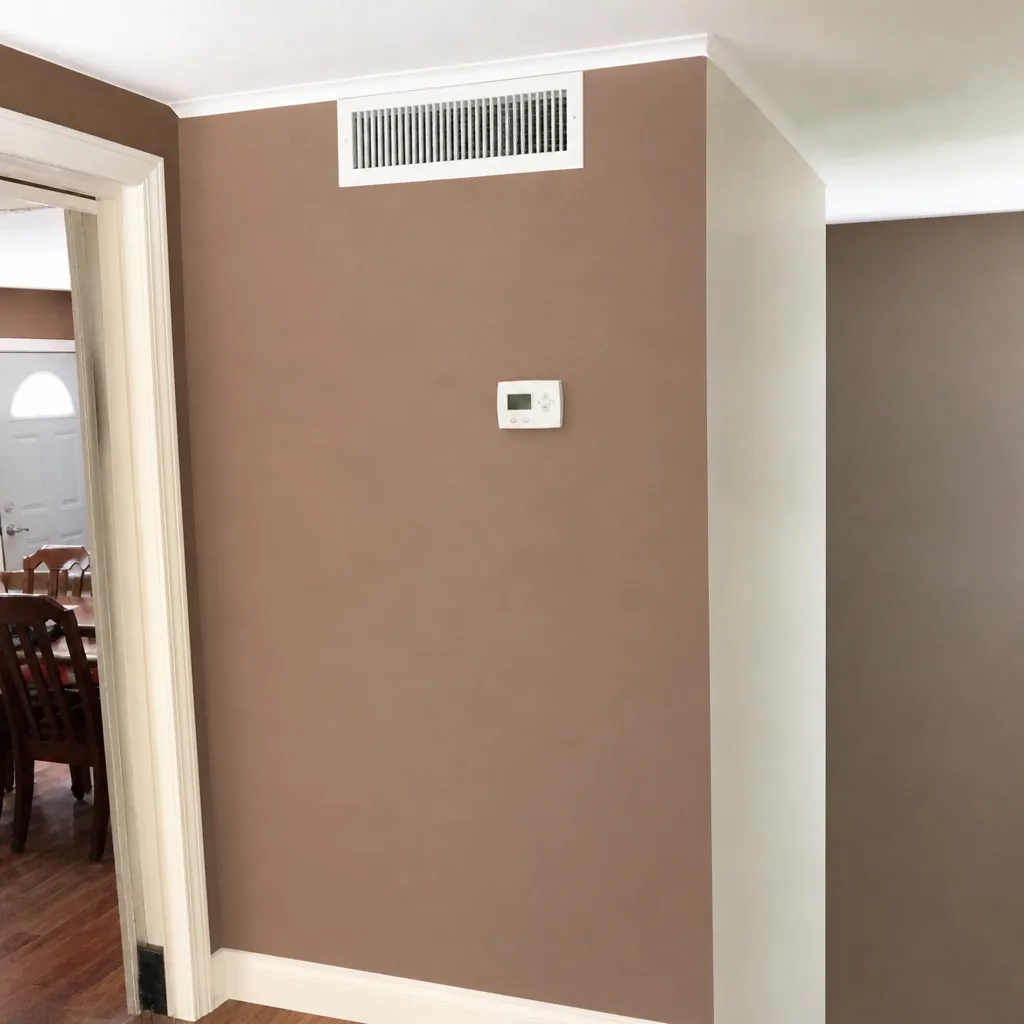
Whole-system duct and dryer vent check with before-and-after photos - you see exactly what came out of your vents
That "$99 whole-house special" is a bait ad - the real number appears once they are in your hallway, or the "clean" is a shop-vac at the register. We photograph the inside of your ducts before and after instead.
Air Duct Cleaning Cost Breakdown: The Harlem Homeowner’s Reference for 2026
Two quotes for air duct cleaning in Harlem can differ by four hundred dollars and both be honest. That’s the part most homeowners don’t expect. The service category is wide open: “air duct cleaning” has no standardized technical definition, so one contractor is quoting a vacuum pass over the registers while another is quoting full negative-air containment, mechanical agitation of every branch line, and sanitizing. The numbers look comparable. The work isn’t. This guide breaks the price into its actual billable components, shows where the money goes in a legitimate 2026 engagement, and explains why a quote below a certain floor usually tells you something about the equipment that will (or won’t) show up.
Quick Answer
A full professional air duct cleaning in Harlem in 2026 typically runs $350 to $700 for a standard apartment or small home, with larger pre-war layouts, multi-zone systems, and buildings requiring equipment access at the higher end. Dryer vent cleaning usually adds $125 to $225. The exact figure depends on linear duct footage, number of zones, access difficulty, and whether repairs or sanitizing are included. Call (866) 937-8817 for a free estimate – the written estimate is what sets your final price.
Styles & brands we work with
- Whole-home duct cleaning
- Dryer vent cleaning
- Camera inspection
- Sanitizing & deodorizing
Table of Contents
- Why air duct cleaning prices vary so widely in Harlem
- The line-item cost breakdown: what you’re actually paying for
- How Harlem building types affect the price
- Dryer vent cleaning: cost, scope, and when to bundle
- The cost of repairs discovered mid-job
- What a price floor tells you about equipment
- How a legitimate job actually runs, step by step
- Common mistakes to avoid
Why air duct cleaning prices vary so widely in Harlem
There is no single industry definition of what “air duct cleaning” includes. That’s the root cause of the price spread you’ll see in Harlem, and it’s the reason a $150 quote and a $650 quote can describe completely different jobs under the same three-word label. The low number is usually a vacuum pass: a shop vac or a low-powered portable unit hooked to a register, with no containment, no brush agitation, and no access to the branch lines behind the walls. The higher number typically covers negative-air machine operation, mechanical agitation of every accessible run, register-by-register cleaning, and post-clean sanitizing.
In our experience working Harlem buildings, the difference shows up in what comes out. A vacuum-only pass removes what’s loose near the register boot and leaves the adhered layer on the duct walls. The dust that keeps blowing back into your apartment is exactly that layer.
Three technical factors drive most of the gap:
- Containment. Negative-air equipment (we use Abatement Technologies scrubbers on every job) keeps dislodged debris inside the system and HEPA-filters the exhaust. Without it, cleaning redistributes dust into the room.
- Agitation method. Rotobrush and Nikro mechanical systems use rotating brush heads and air whips sized for residential ductwork. A shop vac hose can’t reach a 20-foot branch run around a corner.
- Scope clarity. A quote that names the number of runs, the number of registers, and whether sanitizing is included is a quote you can compare. One that just says “duct cleaning” isn’t.
For a full picture of what the standard service covers, see our page on air duct cleaning.
The line-item cost breakdown: what you’re actually paying for
A legitimate air duct cleaning quote has five or six component lines, and each one is billable because each one is labor or equipment time. When you see a price this low, the honest question is which of these lines was quietly dropped. Here’s how the pieces map to 2026 Harlem pricing:
- Access point creation – $50 to $150. Technicians cut small, sealable access holes in the ductwork to reach the branch runs. Some layouts need several; some need none because existing access panels are already there. This is the most commonly skipped line in cheap bids.
- Negative-air machine operation – $75 to $150. HEPA scrubbing and containment running for the duration of the job. The equipment is expensive and it’s on site for hours. This is also the line most responsible for keeping debris out of your living space.
- Brush and whip agitation – $100 to $250. Rotobrush and Nikro mechanical systems working the trunk and branch lines. This is where the actual cleaning happens; the vacuum alone doesn’t dislodge adhered buildup.
- Register and boot cleaning – $40 to $100. Every supply and return register removed, cleaned, and reinstalled. Ask how many registers are included.
- Sanitizing treatment – $75 to $175. Applied after cleaning, not before. We use Guardsman-grade treatments to inhibit microbial growth inside the system.
- System inspection and photo documentation – usually included. Before-and-after photos of your own ducts. If a contractor won’t provide them, that’s a signal.
Added together, the components explain the honest range: $350 to $700 for typical residential work. A quote at $99 or $150 can’t cover those lines, so something isn’t happening. Ask which one.
How Harlem building types affect the price
Harlem’s housing stock puts real variables into the estimate that a suburban ranch house doesn’t have. The main ones:
Walk-up vs. elevator buildings. Carrying negative-air machines, scrubbers, and hose runs up four or five flights adds labor time. An elevator building shortens the setup; a fifth-floor walk-up in a brownstone lengthens it. Both are legitimate cost factors, and a good estimator asks about floor number and elevator access before quoting.
Duct linear footage in pre-war layouts. Many pre-war Harlem apartments were built with radiator heat and had ductwork added later, sometimes retrofitted through closets and soffits with more length and more turns than a modern build. More linear footage means more agitation time. This is the single biggest driver of price variation between Harlem apartments of similar square footage.
Number of zones. A single-zone apartment has one set of trunk and branch runs. A multi-zone townhouse or a converted layout with separate heating and cooling systems doubles or triples the work. Each zone is cleaned separately.
Parking and equipment access. On many Harlem blocks, the equipment has to be hand-trucked from a legal parking spot, which adds time on both ends of the job. Some contractors itemize it, some build it into the estimate. Ask if access is included.
None of these are upsells. They’re the physical reality of cleaning ductwork in a Harlem building, and any quote that ignores them will either change on the day or skip the work.
Dryer vent cleaning: cost, scope, and when to bundle
Dryer vent cleaning in Harlem typically runs $125 to $225 as a standalone service, and it is not an afterthought. Lint buildup in a dryer vent is a documented fire risk, and it’s the one indoor-air service tied directly to the safety of the building. We treat it as a named, dedicated service, not an upsell tacked onto a duct cleaning invoice.
What a proper dryer vent cleaning includes:
- Disconnecting the dryer and inspecting the full vent run from dryer to exterior termination.
- Running a rotary brush system through the entire length, not just the first few feet behind the appliance.
- Extracting lint with negative-air containment so it doesn’t end up on your floor or in the room.
- Verifying the exterior damper opens and closes freely.
- Reconnecting the dryer and confirming airflow at the termination point.
When is bundling worth it? If you’re already having ducts cleaned, the dryer vent is a small add-on to the same visit and the same setup. On its own, it’s justified whenever you notice longer dry times, a hot dryer exterior, or lint accumulating around the vent hood. For a full scope breakdown, see dryer vent cleaning.
The cost of repairs discovered mid-job
Cleaning a duct system sometimes turns up damage that wasn’t visible before: collapsed flex duct behind a soffit, failed mastic seals at the joints, or a torn liner in a section that was cheaply installed. This is normal, and it’s also where homeowners rightly get nervous, because a mid-job estimate can feel like leverage.
Here’s how to evaluate one. A legitimate repair estimate names the specific defect, shows you a photo of it, explains what the repair does, and gives you a flat price for that repair alone. You can decline it. The cleaning is already done or nearly done, and declining a repair doesn’t undo it. A legitimate contractor will not hold the completion of the cleaning hostage to a repair decision, and will not quote a vague “system fix” with a round number.
Typical 2026 repair ranges, when needed:
- Sealing leaking joints with mastic or approved sealant – $150 to $400 for a typical apartment, depending on how many joints are accessible.
- Replacing a collapsed or disconnected flex duct run – $200 to $500. Confined-space access is the price driver.
- Liner repair or section replacement – $300 to $700. More involved; requires cutting and rebuilding a duct section.
Duct Repair & Sealing is one of our five core services precisely because it’s part of the same lifecycle. Cleaning a system with bad seals and not addressing them means the dust comes back faster than it should.
What a price floor tells you about equipment
In 2026, a residential air duct cleaning in Harlem cannot be done properly below roughly $300. That’s not a sales floor; it’s arithmetic. Negative-air scrubbers and mechanical agitation systems cost thousands to purchase and need to run for hours on site. Brush heads, whips, access-hole tooling, and sanitizing solution all cost money per job. Labor for a two-technician crew is the largest line. Below $300 in this market, one of the following is almost always true:
- The equipment is a shop vac or a low-powered portable unit rather than a purpose-built system.
- There’s no containment, so the “cleaning” is really a recirculation.
- The low price is a door-opener, and the invoice grows mid-job once the technician is in your home.
- The work is limited to the registers and the first accessible foot of each run.
Our angle on the whole thing: one flat price per system, agreed before work starts, with before-and-after photos of your own ducts. No per-vent pricing, no coupon math, no surprise line items. We also bring Abatement Technologies air scrubbers to every job so debris stays contained. That’s how a price is supposed to work: you know the number and the scope before anyone touches the system.
How a legitimate job actually runs, step by step
Knowing the sequence helps you spot a shortcut. A full professional engagement on a Harlem apartment moves through these stages in order. If any are missing when the technician arrives, ask why.
- Pre-job inspection and photo documentation. A walk-through to identify all registers, the trunk and branch layout, the HVAC air handler location, and any existing damage. Photos taken before any work begins.
- Setup and containment. Negative-air scrubbers positioned and sealed to the system. HEPA exhaust routed away from living space. Drop cloths and corner protection in place.
- Access point creation (if needed). Small holes cut at strategic points along the trunk and branches, each one sealable and capped on completion.
- Mechanical agitation, zone by zone. Rotobrush or Nikro systems working from the air handler outward through every accessible run, with the negative-air machine pulling dislodged material into HEPA filtration.
- Register and boot cleaning. Each supply and return register removed, cleaned, and reinstalled.
- HVAC component cleaning. The air handler, blower, and coil cleaned as part of the system, because dirty components refill cleaned ducts.
- Sanitizing treatment. Applied post-clean with a Guardsman-grade product to inhibit microbial growth inside the system.
- Repair and sealing (if needed). Any defects found during cleaning are presented with photos and a flat price, and you decide.
- Post-job documentation. Before-and-after photos of your own ducts, plus a walkthrough of what was found and what was done.
Note that step six matters more than most homeowners realize. Cleaning the ductwork without cleaning the HVAC components is a partial job, and it’s why we offer HVAC cleaning as a separate service. The whole system has to be addressed, or the dust source remains.
Common Mistakes to Avoid
- Comparing quotes that aren’t for the same scope. A $150 quote and a $650 quote may cover entirely different work. Ask each contractor the same questions: how many registers, how many runs, is sanitizing included, is negative-air containment used, are access points cut. Two sentences of spec turns an apples-to-oranges comparison into a real one.
- Falling for a coupon that grows on the day. A teaser price that becomes a larger invoice after the technician arrives is a bait-and-switch model. In Harlem, ask for a written per-system price before scheduling, not a per-vent count.
- Skipping the dryer vent. In any Harlem building with a dryer, the vent is a fire-safety item. Clean it on the same visit or separately, but clean it. It’s a named service for a reason.
- Believing “one-hour” duct cleaning. Proper cleaning of an apartment system with mechanical agitation and containment takes hours, not an hour. Speed at that level almost always means the branch runs were skipped.
- Accepting repairs with no photos. In a Harlem walk-up, a mid-job “your duct is collapsed” claim without documentation is not a repair estimate, it’s a sales pitch. Ask to see the photo before you approve anything.
- Assuming all “duct cleaning” removes the same material. Vacuum-only service removes loose surface dust. Mechanical agitation removes the adhered layer. Only the second is what most people mean when they ask whether their ducts are “actually clean.”
- Ignoring the HVAC components. Cleaning the ducts while leaving the blower and coil dirty means the system refills the ducts every time the fan runs. Insist that the whole system is in scope.
See the difference
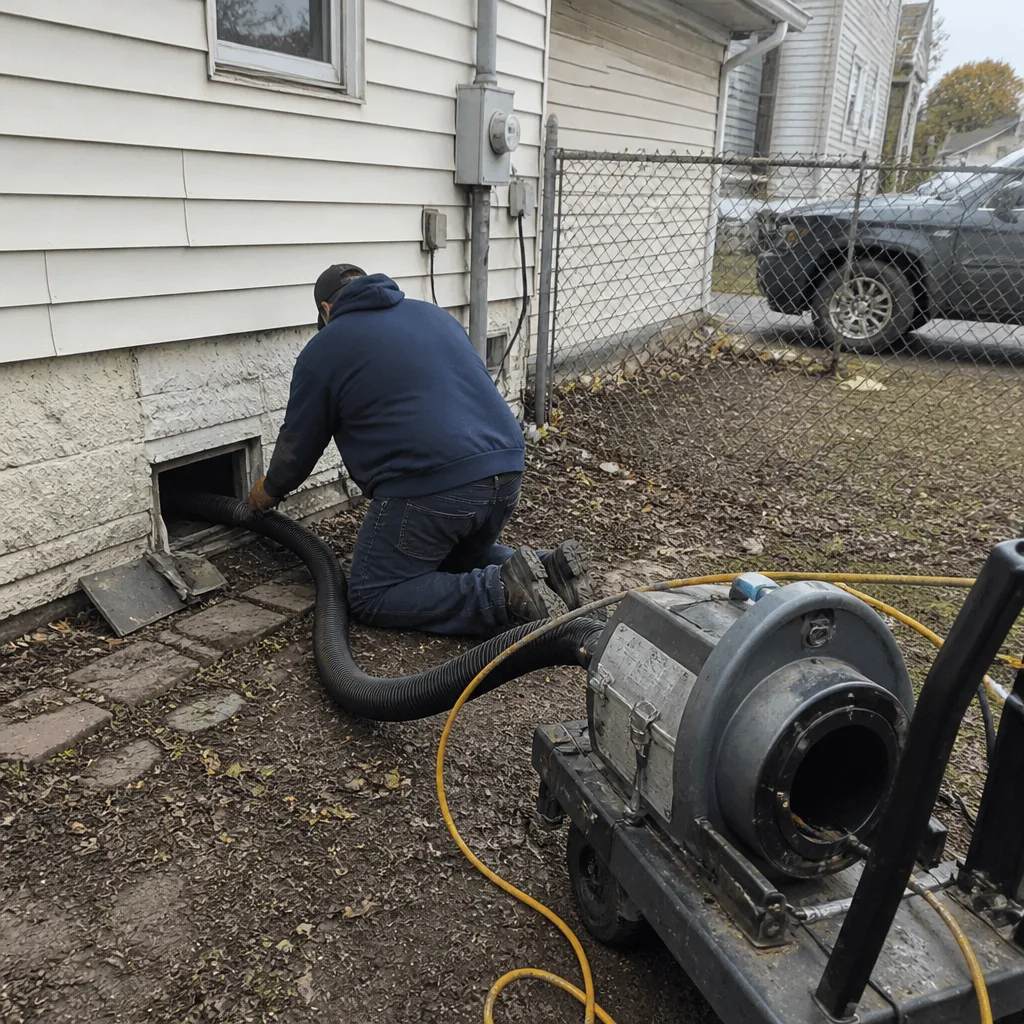 Before
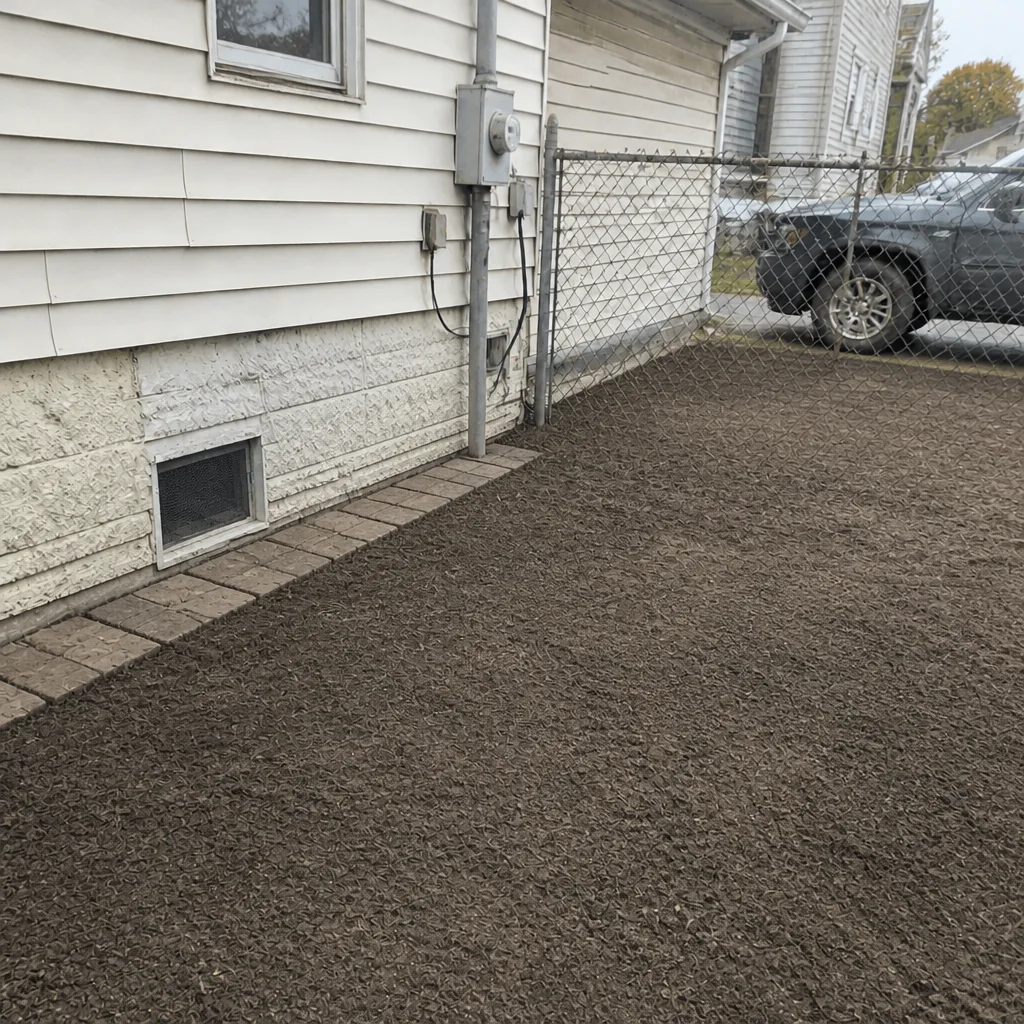 After
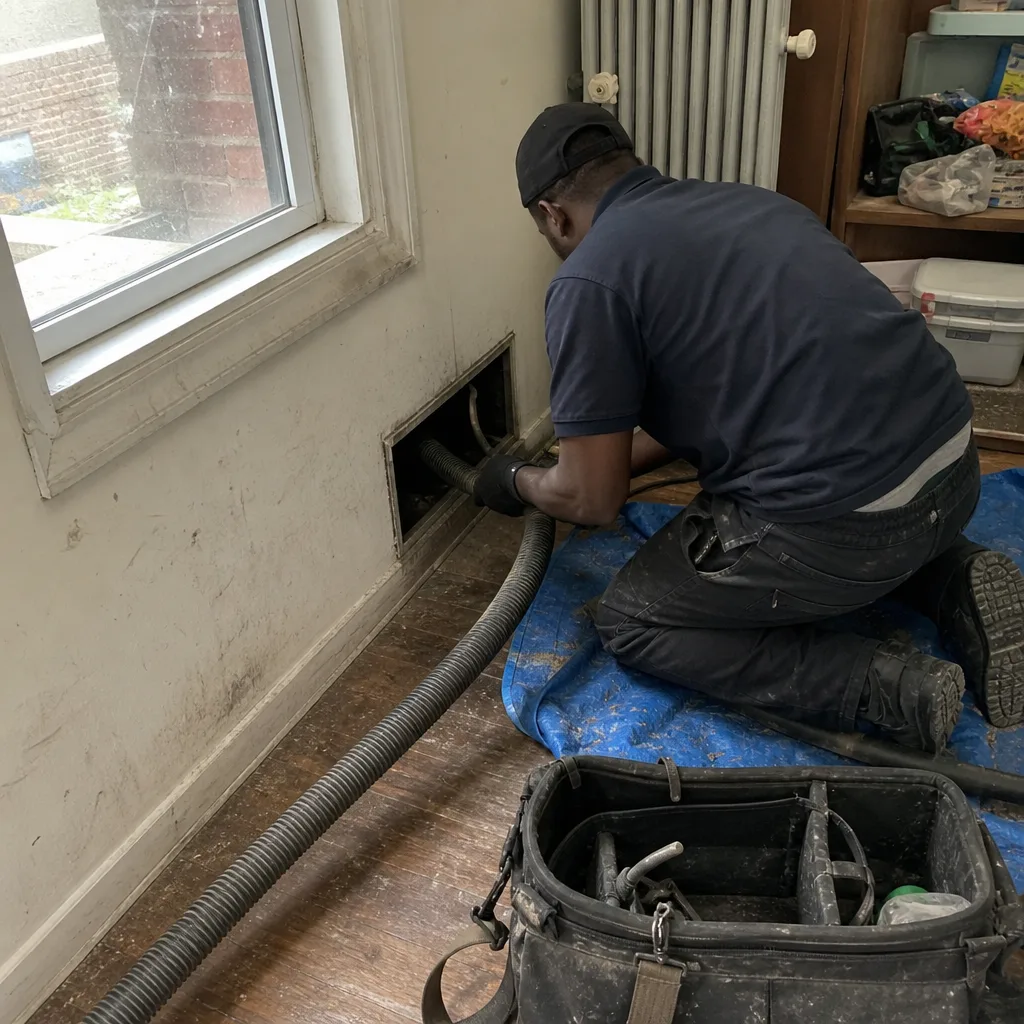 Before
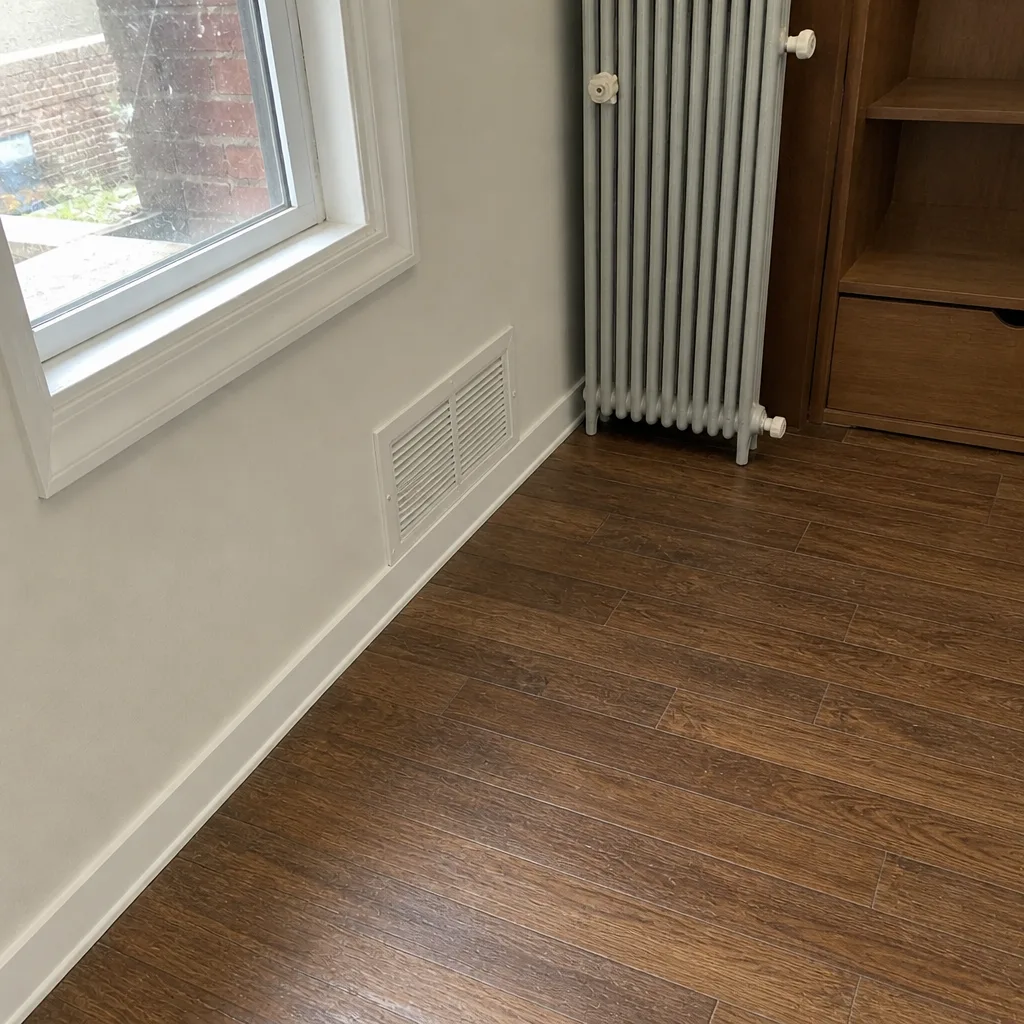 After
 Before
 After
When to Call a Professional
Some jobs genuinely don’t need a specialist on the next plane out. Others do. Call us when you notice visible dust plumes from a register when the heat or AC kicks on, when the airflow at the registers has gotten noticeably weaker over time, when anyone in the household is waking up congested in a particular room, when you’re moving into a Harlem apartment and don’t know the system’s history, or when the dryer takes two cycles to dry a load. The gases and electrical work inside a system, and the fire risk inside a dryer vent, are not projects for a shop vac and a Saturday afternoon; a trained professional handles those safely. Air Duct Cleaning Harlem offers free estimates in Harlem – call (866) 937-8817. We answer 24/7. Fast dispatch from 7am to 7pm, Sunday through Friday.
Frequently Asked Questions
Air duct cleaning in Harlem typically costs $350 to $700 for a standard apartment or small home in 2026, with larger pre-war layouts, multi-zone systems, and buildings without elevator access at the higher end. Dryer vent cleaning adds $125 to $225. The written estimate is what sets your final price, and there’s no per-vent math. Call (866) 937-8817 for an exact quote – estimates are free.
Cheap quotes are usually a different service. A $99 or $150 quote almost never includes negative-air containment, access point creation, or mechanical agitation of the branch runs, because the equipment and labor involved cost more than the quote. It’s a door-opener model, or a vacuum-only pass. Ask what equipment will be used and whether containment is included before comparing prices. Call (866) 937-8817 and we’ll walk you through what a full job covers.
Ask for before-and-after photos of your own ducts, not stock images, and a walkthrough of what was found during cleaning. A legitimate contractor documents both stages and shows you the access points. In a Harlem walk-up, this is especially worth insisting on because the branch runs are behind walls and can’t be eyeballed afterward. Call (866) 937-8817 to schedule, and the photos are part of the job.
Most homes don’t need annual cleaning. Every two to three years is a reasonable interval for typical residential systems, and sooner if you’ve had renovations with sustained dust, a water intrusion inside the system, or pets. In older Harlem buildings, ductwork retrofitted through closets and soffits often benefits from a more frequent check. Call (866) 937-8817 if you’re not sure where you stand.
Walk-ups usually cost more than elevator buildings, yes, because carrying negative-air scrubbers, agitation equipment, and hose runs up multiple flights adds labor time. Pre-war layouts with longer duct runs and more turns also push the price up. Neither is an upsell; both are real cost factors. Ask the estimator about floor number and access before the quote is finalized. Call (866) 937-8817 for a Harlem-specific estimate.
Legitimate repairs come with a photo of the defect, a specific description of what’s damaged, a flat price for that repair only, and your right to decline. A vague “system fix” with a round number and no documentation is a sales pitch. Cleaning is completed whether or not you approve a repair. If a contractor holds the job hostage to the repair, that tells you what you need to know. Call (866) 937-8817 and we’ll document what we find, photo and price, before anything is approved.
The Bottom Line
The range of air duct cleaning prices in Harlem in 2026 isn’t a pricing problem, it’s a definition problem. A $350 to $700 estimate covers containment, mechanical agitation, register cleaning, and sanitizing as separate billable lines. A $99 quote can’t, and it’s usually a vacuum pass or a door-opener. Read the scope, ask which lines are included, insist on before-and-after photos of your own ducts, and treat the dryer vent as the safety item it is, not an add-on. Our technicians have up to 10 years of experience, and we use Rotobrush, Nikro, and Abatement Technologies on every job because the equipment is what makes the number honest. Call (866) 937-8817 for a free estimate. We answer 24/7. Fast dispatch from 7am to 7pm, Sunday through Friday.
Ready to move from cleaned ducts to a healthier-air system? Our team handles the full lifecycle – cleaning, sealing, sanitizing, and working with Honeywell and Aprilaire equipment for indoor-air upgrades – so you don’t have to coordinate multiple vendors. Air Duct Cleaning Harlem brings professional-grade machinery to every job and gives you one flat price per system before work starts. Call today.
Written by the team at Air Duct Cleaning Harlem.